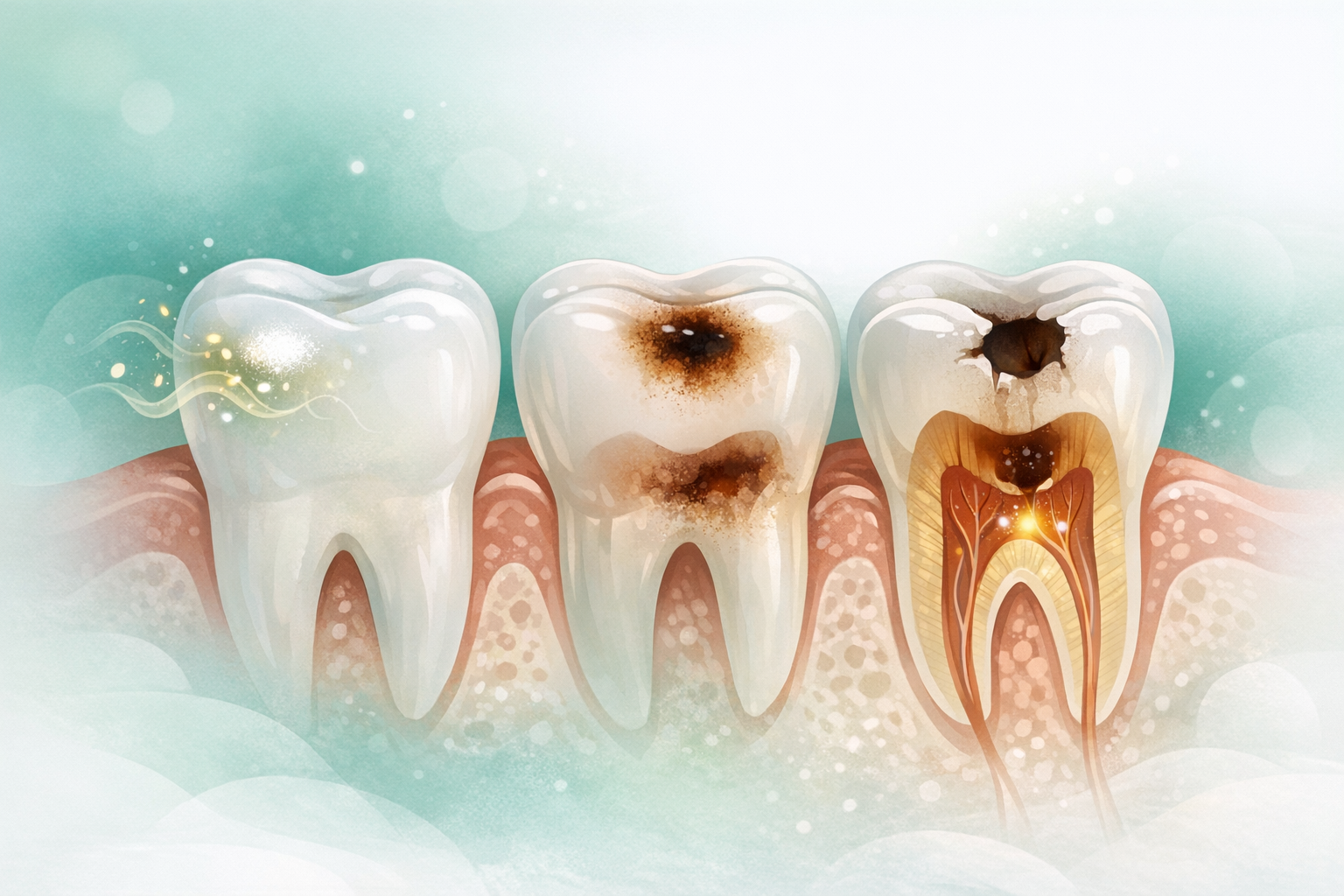
Cavities are one of the most common dental issues worldwide, yet many people are unsure what do cavities look like in their earliest stages. Understanding their appearance is key to prevention, early treatment, and maintaining long-term oral health.
A cavity, or dental caries, is caused by acid-producing bacteria that erode tooth enamel. Over time, this erosion can progress into the dentin and even the pulp if left untreated. Cavities do not always cause pain initially, making visual recognition essential for early intervention.
Visual signs of cavities
Cavities can appear differently depending on their stage:
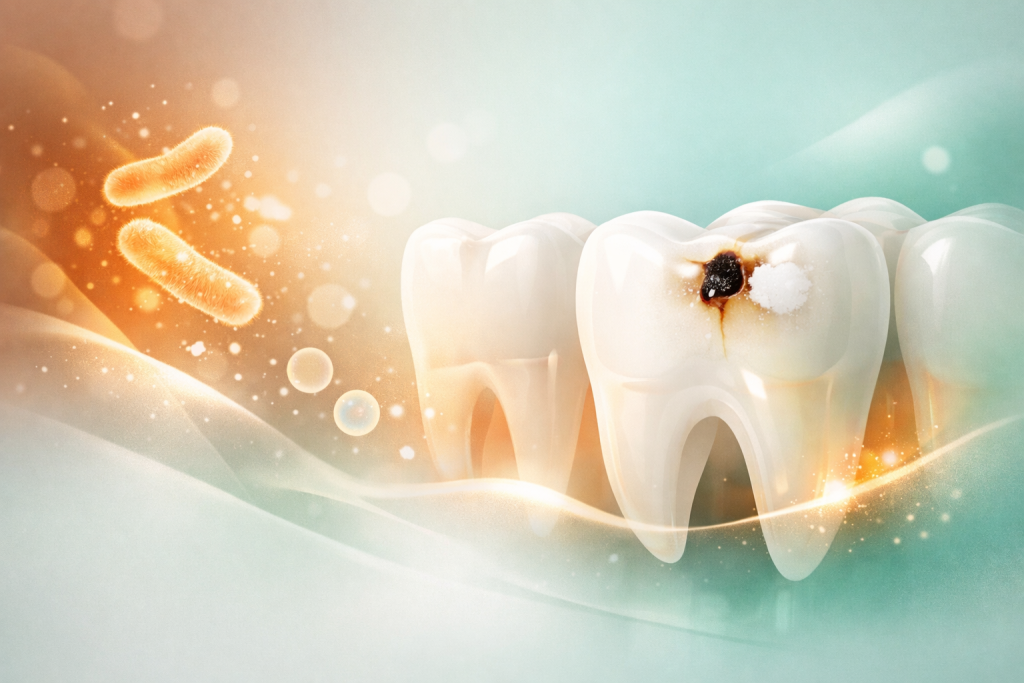
- White spots – Early enamel demineralization often shows as small, chalky white areas on the tooth surface.
- Brown or black spots – As decay progresses, enamel discoloration may become brown or black, usually on the biting surfaces or between teeth.
- Visible holes or pits – Advanced cavities may create small depressions or holes in the enamel.
- Surface roughness – Teeth may feel rough or jagged in areas of decay.
Not all cavities are visible to the naked eye, especially those between teeth or under existing dental work. Regular dental check-ups and X-rays are crucial for detecting hidden decay.
Symptoms that may accompany cavities
While visual changes are primary, other signs can indicate tooth decay:
- sensitivity to hot, cold, or sweet foods
- mild toothache or discomfort when chewing
- bad breath or a bad taste in the mouth
- swelling or redness in surrounding gums (if decay affects deeper layers)
Early detection allows minimally invasive interventions, preserving enamel and reducing the need for extensive dental work.
Preventive and longevity-focused strategies
Preventing cavities is not just about aesthetics—it supports long-term oral and systemic health. Key strategies include:
- brushing twice daily with fluoride toothpaste
- flossing or using interdental brushes to remove plaque
- limiting sugar and acidic foods that fuel bacteria
- regular dental check-ups and cleanings
- supporting overall health with proper nutrition, hydration, and reduced inflammation
Maintaining natural teeth into older age is a form of conscious longevity, reducing the risk of infections, chewing difficulties, and systemic complications from chronic oral disease.
A conscious view on tooth decay
Knowing what do cavities look like is the first step toward proactive care. Rather than waiting for pain, observing early changes and acting promptly allows preservation of natural teeth, functional chewing, and overall health. Healthy habits today create the foundation for a strong, resilient smile in the years to come.
Sogevity. The longevity experience
Live longer. live better.