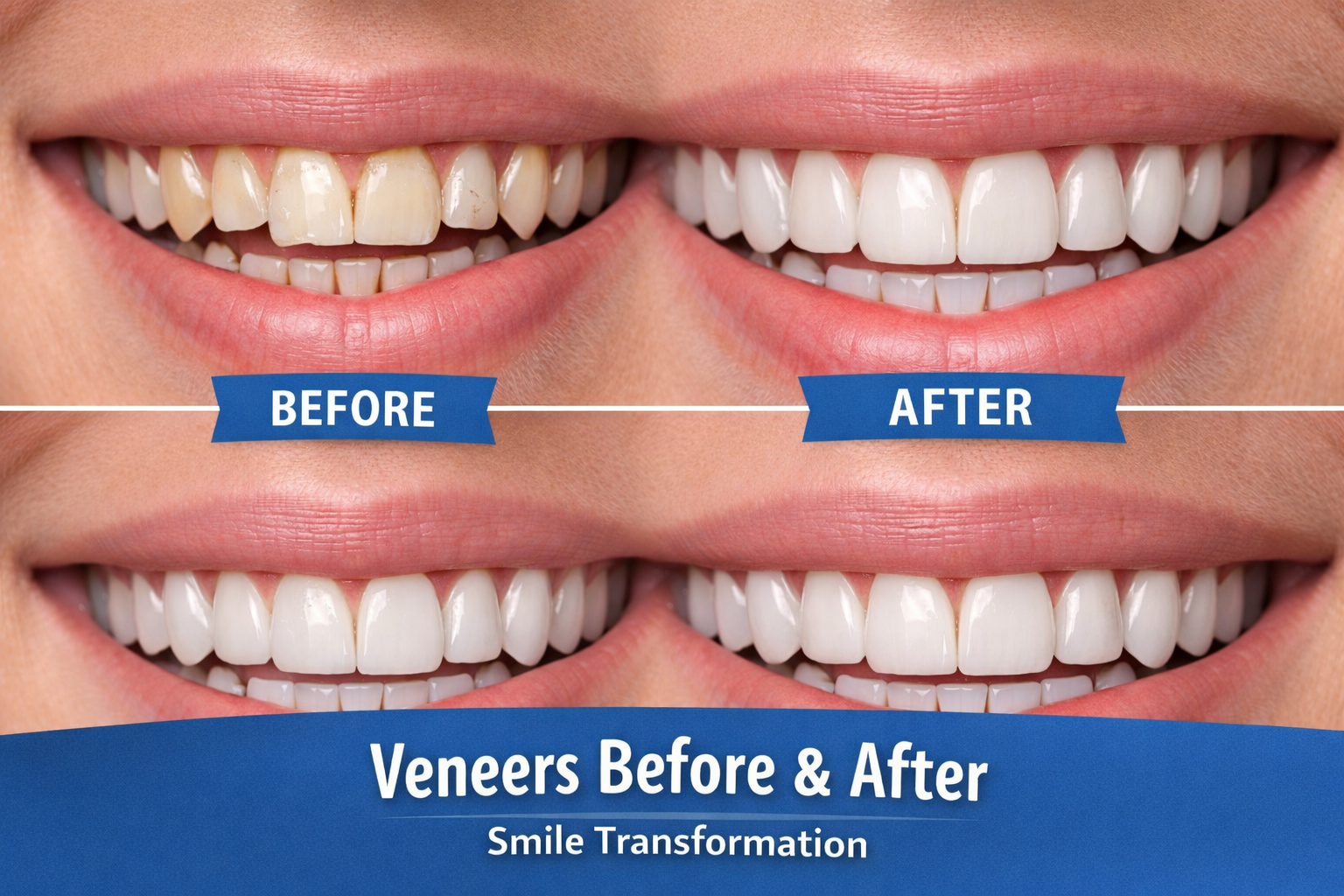
Dental veneers have become one of the most popular cosmetic dentistry treatments for achieving a brighter and more symmetrical smile. But one of the first questions people ask before considering the procedure is simple: how much do veneers cost ?
In general, most veneers cost between $900 and $2,500 per tooth, depending on the material used, the dentist’s expertise, and the clinic’s location. Composite veneers are typically cheaper, while porcelain veneers are more durable and natural-looking but come at a higher price.
Because veneers are considered a cosmetic dental treatment, they are usually not covered by insurance, which means patients must often pay the full cost out of pocket.
Understanding what influences veneers pricing can help you make an informed decision before starting treatment.
Quick Answer: Most Veneers Cost Per Tooth
If you’re looking for a quick estimate, here is the typical veneers cost per tooth:
| Type of Veneer | Average Cost | Lifespan |
|---|---|---|
| Porcelain veneers | $900 – $2,500 | 10–20 years |
| Composite veneers | $400 – $2,000 | 5–7 years |
| No-prep veneers | $800 – $2,000 | 5–10 years |
Porcelain veneers are the most expensive option but also the most durable and natural-looking.
Composite veneers are more affordable but usually need replacement sooner.
What Are Dental Veneers ?
Dental veneers are thin, custom-made shells placed on the front surface of teeth to improve their appearance.
They are commonly used to correct cosmetic dental issues such as:
- chipped or broken teeth
- severe discoloration
- uneven or misshapen teeth
- gaps between teeth
- worn enamel
Once bonded to the teeth, veneers can dramatically transform a smile while maintaining a natural look.
Most people who choose veneers typically apply them to the top front teeth, as these are the most visible when smiling.
Types of Dental Veneers
Types of dental veneers compared
Price per tooth · lifespan · key advantages
Porcelain veneers
Composite veneers
No-prep veneers
Different types of veneers vary in price, durability, and procedure complexity.
Porcelain veneers
Porcelain veneers are the most popular option in cosmetic dentistry.
They are custom-made in dental laboratories and designed to mimic the natural translucency of tooth enamel.
Advantages include:
- extremely natural appearance
- high stain resistance
- long lifespan
However, porcelain veneers require removing a thin layer of enamel, making the procedure irreversible.
Composite veneers
Composite veneers are made from tooth-colored resin and can often be applied in a single dental visit.
Benefits include:
- lower cost
- quicker procedure
- easier repairs if damaged
However, composite veneers are less durable and more prone to staining compared to porcelain veneers.
No-prep veneers
No-prep veneers, such as Lumineers, require minimal or no removal of enamel.
They are thinner than traditional veneers and less invasive.
Advantages include:
- less tooth preparation
- shorter procedure time
- sometimes reversible
However, they may not be suitable for all cosmetic cases.
Cost of a Full Set of Veneers
While veneers are priced per tooth, most patients get several veneers to achieve a balanced smile.
Dentists typically recommend 6 to 8 veneers for a complete smile makeover.
Estimated costs for a full set include:
| Number of Veneers | Estimated Total Cost |
|---|---|
| 6 veneers | $5,400 – $15,000 |
| 8 veneers | $7,200 – $20,000 |
| 10 veneers | $9,000 – $25,000 |
The final price depends heavily on the material chosen and the dentist’s expertise.
Veneers Cost Around the World
Dental veneers prices can vary significantly depending on the country.
Some people travel abroad for cosmetic dentistry because treatment can be much cheaper.
| Country | Average Veneers Cost |
|---|---|
| United States | $900 – $2,500 per tooth |
| United Kingdom | £600 – £1,200 per tooth |
| Turkey | $200 – $600 per tooth |
| Mexico | $250 – $700 per tooth |
| Thailand | $300 – $800 per tooth |
Dental tourism can reduce costs, but patients should carefully research clinic quality and dentist qualifications.
Factors That Affect Veneers Cost
What affects the cost of veneers?
4 key factors that determine your final price
Several factors influence how much veneers cost.
Dentist expertise
Highly experienced cosmetic dentists typically charge more for veneers because of their expertise and reputation.
However, the quality of the final result often depends heavily on the dentist’s skill.
Geographic location
Dental treatments usually cost more in cities with a higher cost of living.
For example, veneers in major cities like New York or London may be significantly more expensive than in smaller towns.
Type of veneer material
Porcelain veneers require laboratory fabrication and advanced technology, which increases their cost.
Composite veneers are applied directly by the dentist, making them more affordable.
Number of veneers
The total treatment price increases with the number of teeth treated.
However, some clinics offer discounted rates when multiple veneers are applied.
Veneers vs Crowns vs Dental Implants
Patients researching veneers often compare them with other dental procedures.
Veneers
Veneers cover only the front surface of the tooth and are mainly used for cosmetic improvements.
Dental crowns
Crowns cover the entire tooth structure and are used when a tooth is severely damaged or weakened.
Dental implants
Implants replace missing teeth entirely by inserting an artificial root into the jawbone.
Compared with crowns or implants, veneers are less invasive and primarily improve the appearance of healthy teeth.
Are Veneers Worth the Cost ?
For many people, veneers represent a long-term investment in their smile and confidence.
Benefits include:
- improved tooth color
- symmetrical smile
- long-lasting cosmetic improvement
- boosted self-confidence
Porcelain veneers can last 10 to 20 years, making them a durable solution for cosmetic dental issues.
When maintained properly, veneers can provide long-term aesthetic benefits that outweigh their initial cost.
How Long Do Veneers Last ?
The lifespan of veneers depends mainly on the material used.
Typical lifespans include:
- porcelain veneers: 10–20 years
- composite veneers: 5–7 years
- no-prep veneers: 5–10 years
Proper care and regular dental checkups can significantly extend their durability.
How to Take Care of Veneers ?
Maintaining veneers requires similar care to natural teeth.
Dentists usually recommend:
- brushing twice a day
- flossing daily
- avoiding biting hard objects like ice or pens
- wearing a night guard if you grind your teeth
Good oral hygiene helps prevent damage and prolongs the lifespan of veneers.
Frequently Asked Questions About Veneers Cost
How much do veneers cost for a full smile ?
A full smile makeover with veneers typically costs between $6,000 and $20,000, depending on the number of veneers and the material used.
Why are porcelain veneers so expensive ?
Porcelain veneers require advanced dental lab work, custom design, and specialized expertise, which increases the overall cost.
Do veneers look natural ?
Yes. High-quality veneers are designed to match the color and shape of natural teeth, making them almost indistinguishable from real enamel.
Are veneers permanentv ?
Most veneers require removing a small amount of enamel, making the procedure irreversible.
If you are considering cosmetic dentistry, understanding how much veneers cost is an important step before starting treatment.
Most veneers cost between $900 and $2,500 per tooth, depending on the material used, the dentist performing the procedure, and the clinic location.
Although veneers can represent a significant investment, they remain one of the most effective cosmetic dental treatments for achieving a brighter and more symmetrical smile.
Consulting a qualified cosmetic dentist can help determine whether veneers are the right solution for your dental goals and budget.
Continue exploring longevity
Explore this longevity topic