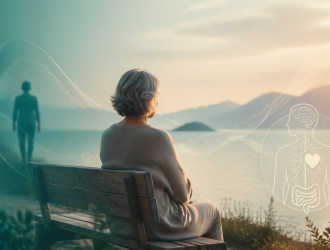
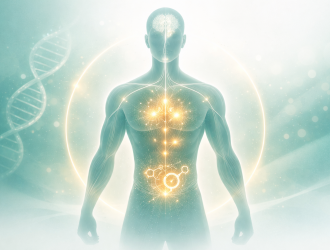
Aging is a complex, dynamic process that affects every cell, tissue, and system in the human body. Understanding the biological mechanisms behind aging is essential for anyone interested in health, longevity, and optimizing their quality of life. While chronological age is inevitable, biological age — the true condition of our body at the cellular and molecular level — can be influenced by lifestyle, environment, and targeted interventions.
The Aging & Biology category explores the science behind how and why our bodies change over time. It covers the cellular and molecular processes that drive aging, including DNA damage, cellular senescence, mitochondrial function, telomere shortening, and chronic inflammation. By understanding these mechanisms, researchers and practitioners can identify strategies to slow or even partially reverse age-related decline.
This category also highlights the interplay between genetics, epigenetics, and environmental factors in shaping the aging process. While our genes provide a blueprint, lifestyle choices such as nutrition, exercise, sleep, and stress management can significantly impact how these genes are expressed and how our bodies age over time.
Research in aging biology is opening new doors for longevity interventions. From regenerative medicine and stem cell therapies to precision nutrition and personalized lifestyle programs, science is increasingly providing evidence-based ways to enhance healthspan — the years of life spent in good health. Many of these approaches focus not only on preventing disease, but also on maintaining energy, cognitive function, and physical resilience as we grow older.
Beyond the lab, the insights from aging biology can be applied in everyday life. Understanding how the body ages allows individuals to make informed choices that support cellular health, metabolic function, and overall vitality. Simple lifestyle habits, when aligned with biological principles, can profoundly influence long-term health outcomes.
The Aging & Biology category is dedicated to translating complex scientific research into actionable knowledge. It provides readers with the tools to understand the biology of aging and to adopt strategies that optimize longevity, vitality, and well-being, giving everyone the opportunity to age smarter, healthier, and more resilient.