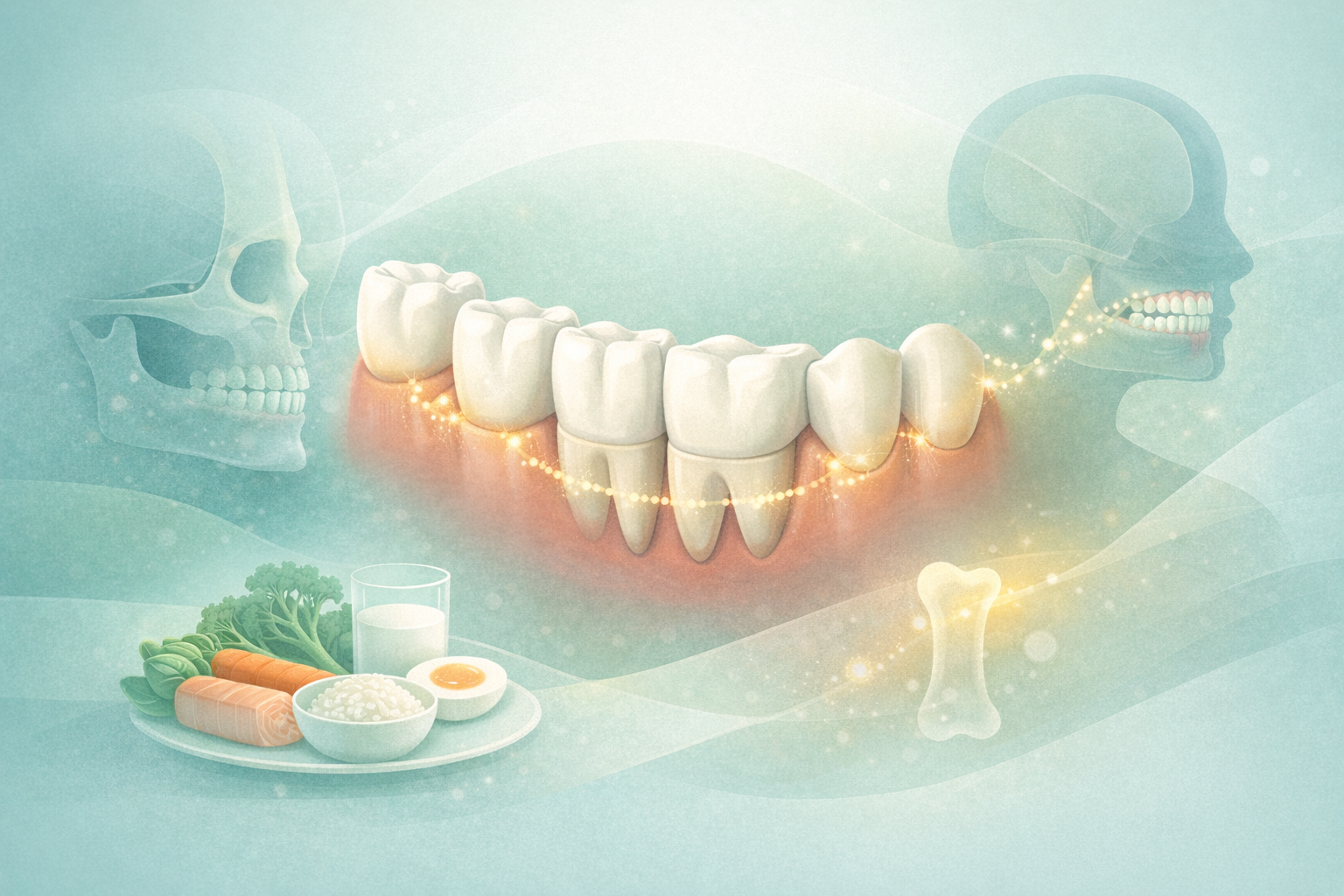
Oral health plays a critical role in overall well-being, yet it is often addressed only when discomfort appears. Missing teeth can affect far more than appearance. They influence chewing efficiency, jaw alignment, speech, and even long-term bone health. In cases where several adjacent teeth are missing, a 5 tooth bridge may be recommended as a restorative solution.
A dental bridge is designed to “bridge” the gap left by missing teeth. When extended to replace five teeth, it becomes a more complex structure that requires careful planning and precise execution. Beyond aesthetics, the purpose of a 5 tooth bridge is to restore functional balance to the mouth while protecting surrounding teeth and supporting structures.
From a longevity perspective, dental restorations are not merely corrective. They are preventive tools that help preserve quality of life, nutrition, and systemic health over time.
What is a 5 tooth bridge
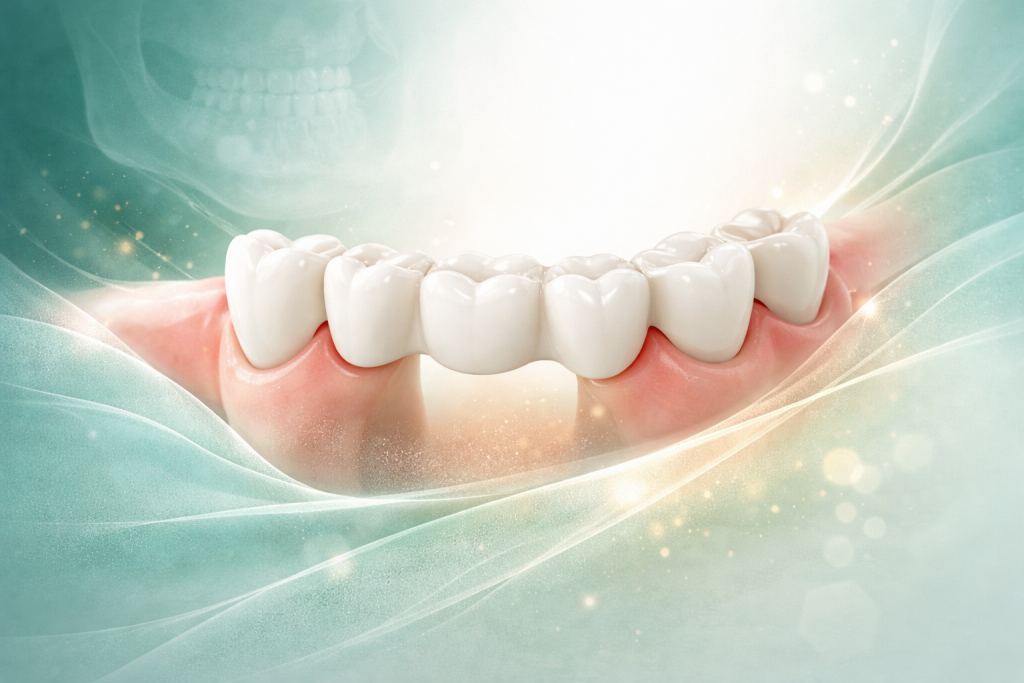
A 5 tooth bridge is a fixed dental prosthesis used to replace five missing teeth in a row. It is typically anchored to natural teeth or dental implants on either side of the gap, known as abutments. The replacement teeth, called pontics, are fused together and supported by these anchors.
Because of its length, a 5 tooth bridge places greater mechanical demands on the supporting structures. This is why careful assessment of bite force, bone quality, and gum health is essential before choosing this option. In some cases, implant-supported bridges are preferred to distribute pressure more evenly and reduce strain on natural teeth.
The goal is stability, durability, and harmony with the natural bite.
When is a 5 tooth bridge recommended
A 5 tooth bridge may be considered when:
- multiple adjacent teeth are missing
- surrounding teeth or implants are strong enough to support the bridge
- the patient is not a candidate for individual implants for each missing tooth
- restoring chewing function and bite alignment is a priority
Dentists also consider factors such as oral hygiene habits, jaw structure, and long-term maintenance before recommending this type of bridge.
Benefits and limitations to consider
A 5 tooth bridge can significantly improve chewing efficiency, speech clarity, and facial structure. By filling the gap, it helps prevent neighboring teeth from shifting and reduces uneven stress on the jaw joint.
However, longer bridges require meticulous design and ongoing care. If supported by natural teeth, those teeth must bear additional load, which may increase the risk of wear over time. Regular dental follow-up and excellent oral hygiene are therefore essential.
Choosing a 5 tooth bridge is a balance between restoration and preservation.
A long-term perspective on dental restoration
From a conscious longevity viewpoint, oral health is inseparable from systemic health. Proper chewing supports digestion, nutrition absorption, and metabolic balance. Chronic oral issues, on the other hand, may contribute to inflammation and long-term health risks.
A well-designed 5 tooth bridge can support oral function for many years when combined with preventive care, mindful nutrition, and regular monitoring. Longevity is not only about extending lifespan, but about maintaining comfort, confidence, and functional independence.
Sometimes, restoring balance in one part of the body helps sustain harmony in the whole system.
Sogevity. The longevity experience
Live longer. live better.
Continue exploring longevity
Explore this longevity topic