Musculoskeletal health is an important part of healthy aging. As people live longer, maintaining mobility, managing joint and muscle conditions, and recovering from injuries become increasingly relevant to independence and quality of life.
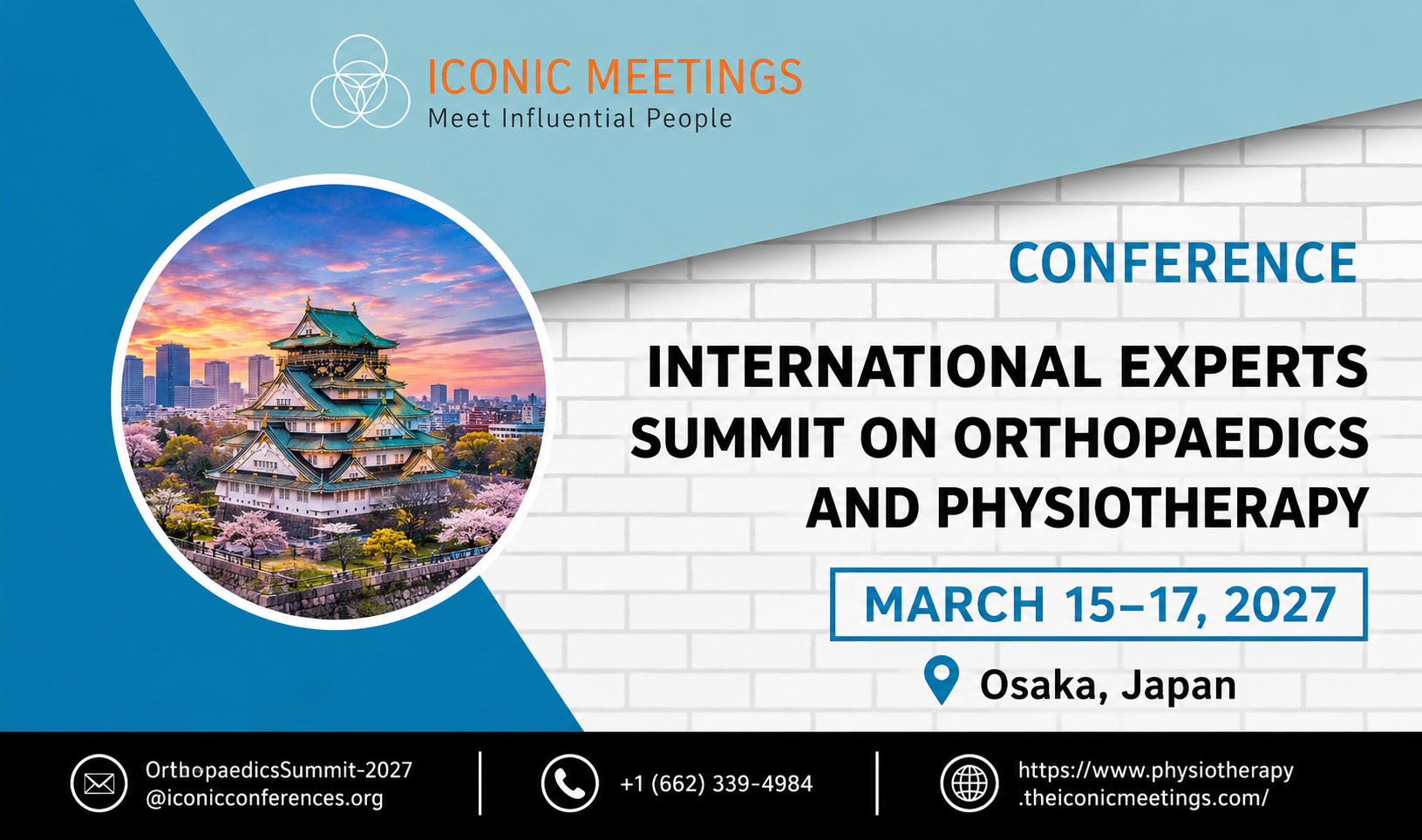
Against this backdrop, the International Experts Summit on Orthopaedics and Physiotherapy (Orthopaedics Summit-2027) is scheduled to take place in Osaka, Japan, from March 15 to 17, 2027. The international conference will bring together researchers, clinicians, physiotherapists, academics, and healthcare professionals to discuss developments in orthopaedics, rehabilitation, and musculoskeletal care.
Organized as a hybrid event, the summit is expected to offer both in-person and virtual participation. Its program covers a broad range of subjects, from sports injuries and joint replacement to rehabilitation techniques, regenerative medicine, and emerging technologies in orthopaedic care.
For the longevity field, these topics raise an important question: how can advances in musculoskeletal medicine help people preserve their ability to move, remain independent, and maintain their quality of life as they age?
Key takeaways
- Orthopaedics Summit-2027 is scheduled for March 15–17, 2027, in Osaka, Japan, with in-person and virtual participation options announced by the organizers.
- The program covers orthopaedic conditions, physiotherapy, rehabilitation, sports medicine, pain management, and joint and spine disorders.
- Emerging areas, including artificial intelligence, biomechanics, regenerative medicine, and new physiotherapy technologies, are among the announced scientific topics.
- Musculoskeletal health is closely connected to healthy aging because mobility and physical function influence independence and everyday well-being.
- The event aims to encourage scientific exchange and collaboration among healthcare professionals, clinicians, and researchers.
Why musculoskeletal health matters for longevity?
Longevity is not simply about extending lifespan. It also involves preserving physical function, independence, and the ability to participate in everyday life.
Bones, joints, muscles, tendons, and connective tissues all contribute to movement. When musculoskeletal conditions affect these structures, activities such as walking, climbing stairs, working, exercising, and performing daily tasks can become more difficult.
Osteoarthritis, osteoporosis-related fractures, chronic musculoskeletal pain, and age-related changes in physical function can all influence how people experience aging. Their effects vary, but they can create challenges for mobility and independence, particularly when several conditions occur together.
Orthopaedics and physiotherapy approach these challenges from complementary perspectives. Orthopaedic care may involve diagnosing and treating injuries or structural conditions, including through surgery when appropriate. Physiotherapy focuses on movement, physical function, rehabilitation, and helping patients work toward their functional goals.
The two disciplines can therefore contribute to a broader approach to healthy aging. Their role extends beyond treating a particular injury or condition to supporting recovery and helping people maintain the physical abilities they need in daily life.
The effectiveness of any intervention depends on the individual, the underlying condition, and the available clinical evidence. Nevertheless, maintaining musculoskeletal health remains an important consideration in discussions about healthy aging.
Orthopaedics Summit-2027: An international meeting in Osaka
The International Experts Summit on Orthopaedics and Physiotherapy is planned for March 15–17, 2027, in Osaka, Japan.
According to the event website, the conference will bring together professionals from different areas of orthopaedics, physiotherapy, rehabilitation, and musculoskeletal research. Its stated objectives include sharing scientific knowledge, discussing clinical developments, and encouraging collaboration across professional and geographical boundaries.
The organizers describe the event as a hybrid meeting, allowing participants to attend in person in Osaka or participate virtually.
The announced program includes keynote and plenary sessions, scientific presentations, workshops, and poster discussions. These formats are intended to give participants opportunities to present research, exchange clinical perspectives, and learn about developments in their respective fields.
For researchers and healthcare professionals, scientific conferences can provide a space to discuss emerging questions, compare approaches, and establish professional connections. However, the value of individual presentations ultimately depends on the quality of the research, the strength of the evidence, and the relevance of the findings to clinical practice.
What will the scientific program Cover?
The summit’s announced scientific sessions span established areas of orthopaedic practice as well as newer research and technological developments.
Joint, spine, and musculoskeletal conditions
Several listed topics address conditions affecting the body’s major joints and supporting structures.
These include hip and knee replacement, shoulder and elbow disorders, spine and spinal disorders, hand and wrist surgery, foot and ankle conditions, arthritis, and diseases affecting muscles, joints, and tendons.
The program also lists orthopaedic diagnostics and imaging, trauma care, musculoskeletal infections, and orthopaedic oncology.
These areas reflect the breadth of musculoskeletal medicine, which includes everything from the assessment of persistent pain to the management of complex injuries and structural conditions.
For an aging population, joint health and the management of degenerative conditions are particularly relevant. The challenge is not only to treat disease but also to determine how different approaches can help patients maintain or regain useful physical function.
Physiotherapy and rehabilitation
Physiotherapy and rehabilitation are central themes of the conference.
Rehabilitation may be needed following surgery, a sports injury, a fall, or an illness that affects strength, balance, coordination, or mobility. Treatment plans vary according to the patient’s condition and goals, but they may involve therapeutic exercise, movement training, and other interventions selected by qualified professionals.
The summit’s announced topics include physiotherapy and rehabilitation techniques, orthopaedic rehabilitation, non-surgical treatment methods, pain management, and emerging technologies in physiotherapy.
These subjects are relevant to healthy aging because recovery and physical function can influence whether people return to their usual activities after an injury or medical procedure.
Rehabilitation is not a single standardized process. Its approach and expected outcomes depend on factors such as the injury, the patient’s health, access to care, and adherence to an individualized treatment plan.
Sports medicine and injury management
Sports medicine is another component of the announced program.
Sports-related injuries can affect people across different age groups, from competitive athletes to individuals who exercise for general health. Managing these injuries involves questions about diagnosis, treatment, recovery, and the appropriate return to physical activity.
As more people seek to remain active throughout adulthood, injury prevention and rehabilitation also become relevant to long-term physical well-being.
The summit lists sports medicine and injury management alongside biomechanics, joint conditions, and physiotherapy. These areas provide opportunities to examine how movement is assessed, how injuries are managed, and how treatment approaches can be adapted to different populations.
Regenerative medicine and emerging technologies
The program also includes subjects at the intersection of clinical practice and technological development.
Among the announced topics are regenerative medicine and stem cell therapy, biomechanics and 3D printing in orthopaedics, artificial intelligence in orthopaedics, implant technology, and orthopaedic diagnostics.
These fields cover different types of research and applications. Biomechanics examines the forces and movement patterns affecting the body, while 3D printing can support the development of customized models, devices, and components in appropriate medical settings.
Artificial intelligence may have applications in medical imaging, data analysis, and clinical decision support. Regenerative medicine investigates approaches intended to repair, replace, or restore biological structures and functions.
However, these fields are at different stages of development. The inclusion of a topic in a conference program does not establish that a particular technology is clinically effective, safe, or ready for widespread use. Individual treatments and tools need to be assessed on the basis of their own evidence, regulatory status, and clinical context.
The connection between Orthopaedics, Physiotherapy, and healthy aging
Maintaining mobility becomes especially important when considering the practical experience of aging.
A person who can move comfortably and safely may find it easier to continue working, participate in social activities, exercise, and manage daily responsibilities. Conversely, pain, reduced strength, joint limitations, or impaired balance can make these activities more difficult.
Musculoskeletal health is only one part of healthy aging. Cardiovascular health, cognition, nutrition, mental well-being, social connection, and access to healthcare also matter. Still, physical function can influence how independently a person lives and how well they recover when health problems arise.
This makes the relationship between orthopaedics and longevity particularly relevant. Appropriate treatment, rehabilitation, and ongoing physical activity can help some people preserve or improve their functional abilities. The right approach depends on individual circumstances and should be guided by qualified healthcare professionals.
Scientific meetings can contribute to this field by creating opportunities to discuss research, clinical experience, and unanswered questions. Whether a conference leads to meaningful changes in patient care depends on the quality of the knowledge exchanged and how that knowledge is subsequently evaluated and applied.
Who may be Interested in attending?
Based on the announced scope of the program, Orthopaedics Summit-2027 may be relevant to several professional groups:
- Orthopaedic surgeons and clinicians interested in developments in diagnosis, surgical techniques, and musculoskeletal treatment.
- Physiotherapists and rehabilitation specialists seeking to exchange knowledge about recovery, movement, and physical function.
- Researchers and academics working in orthopaedics, biomechanics, sports medicine, rehabilitation, or related scientific fields.
- Healthcare professionals interested in pain management, joint health, and multidisciplinary approaches to musculoskeletal conditions.
- Researchers exploring emerging technologies such as artificial intelligence, regenerative medicine, and new diagnostic or rehabilitation tools.
The organizers also describe opportunities for research presentations and poster discussions. Researchers considering participation should consult the official event website for the latest abstract submission requirements, deadlines, registration conditions, and presentation formats.
Event details at a glance
Event: International Experts Summit on Orthopaedics and Physiotherapy (Orthopaedics Summit-2027)
Dates: March 15–17, 2027
Location: Osaka, Japan
Format: In person and virtual, according to the organizers
Main topics: Orthopaedics, physiotherapy, rehabilitation, sports medicine, musculoskeletal disorders, pain management, biomechanics, artificial intelligence, and regenerative medicine.
Official website: The Orthopaedics Summit-2027 event website
The organizers identify the Grand Prince Hotel Osaka Bay as the venue. Participants should confirm the final venue arrangements, registration fees, and program directly with the organizers before making travel or payment commitments.
Conclusion: Keeping Movement at the Center of Healthy Aging
Healthy aging involves more than preventing disease. It also means preserving the ability to move, recover, and remain engaged in everyday life.
Orthopaedics and physiotherapy contribute to this goal through different but complementary approaches to musculoskeletal health. From joint disorders and sports injuries to rehabilitation and emerging technologies, the field addresses challenges that can affect physical function throughout adulthood.
Orthopaedics Summit-2027 plans to bring these subjects together in Osaka in March 2027, creating a forum for healthcare professionals and researchers to exchange knowledge and discuss developments in the field.
The conference’s contribution to clinical practice will depend on the quality of its scientific content and the evidence supporting the approaches presented. For professionals working in musculoskeletal health, however, the announced breadth of topics offers an opportunity to explore questions that matter to mobility, independence, and quality of life.
Level of evidence
Evidence level: Event announcement and descriptive overview; not a clinical evidence review.
This article describes the conference, its announced themes, and their general relevance to musculoskeletal health and healthy aging. It does not evaluate individual treatments or establish the effectiveness of any specific medical intervention.
The event details and program topics are based primarily on information published by the organizers. The article’s discussion of healthy aging and musculoskeletal health provides general context and should not be interpreted as a review of all available clinical evidence.
Frequently Asked Questions
When will Orthopaedics Summit-2027 take place?
The International Experts Summit on Orthopaedics and Physiotherapy is scheduled for March 15–17, 2027.
Where will the conference be held?
The event is planned for Osaka, Japan. The organizers identify the Grand Prince Hotel Osaka Bay as the venue. Attendees should confirm the final arrangements through the official event website.
Will virtual participation be available?
Yes. The organizers describe the summit as a hybrid event, with both in-person and virtual participation options.
What subjects will be discussed?
The announced program includes orthopaedic diseases and disorders, joint replacement, sports medicine, physiotherapy, rehabilitation, pain management, arthritis, biomechanics, regenerative medicine, artificial intelligence, and emerging technologies.
Who should consider attending?
The conference may be relevant to orthopaedic clinicians, physiotherapists, rehabilitation specialists, researchers, academics, and other healthcare professionals whose work relates to musculoskeletal health.
Can researchers submit abstracts?
The organizers provide an abstract submission section on the official event website. Researchers should consult that website for the latest deadlines, eligibility criteria, and submission instructions.
Does the conference provide evidence that a particular treatment works?
No. A conference provides a setting for presenting and discussing research, but the effectiveness and safety of an individual treatment must be assessed through appropriate scientific evidence and clinical evaluation.
Methodology
This article was prepared using the event brochure supplied by the organizers and information available on the official Orthopaedics Summit-2027 website at the time of drafting. General background on musculoskeletal health and healthy aging was included to explain the relevance of the conference themes to Sogevity’s readership.
The article is an editorial overview of the announced event, not an independent assessment of its scientific committee, speakers, or the quality of individual presentations. Conference details may change, and outstanding information should be confirmed with the organizers before publication.
Disclaimer
This article is intended for informational and educational purposes only. It does not constitute medical advice, diagnosis, or treatment recommendations. Readers should consult qualified healthcare professionals for individual medical concerns. Conference dates, program details, participation options, and registration conditions should be confirmed directly with the event organizers.
Continue exploring longevity
Explore this longevity topic