Introduction
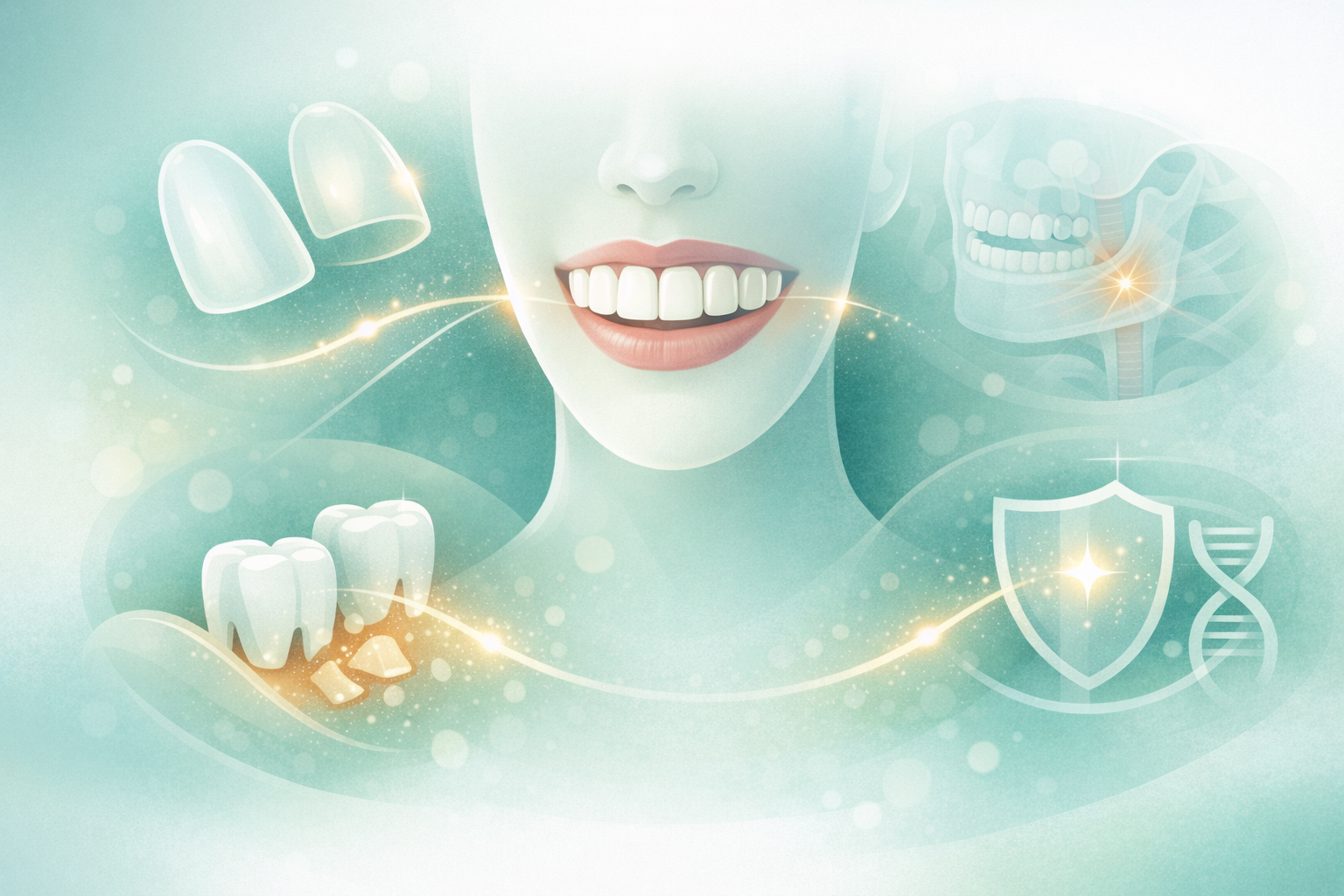
“Veneers what?” is a question many people ask when first encountering cosmetic dentistry. Dental veneers are often associated with perfect smiles and aesthetic transformations, but their role is more nuanced than a simple visual upgrade.
Veneers are thin shells, usually made of ceramic or composite material, designed to cover the front surface of teeth. They can improve color, shape, alignment, and symmetry. Yet beyond appearance, veneers influence oral function, tissue health, and long-term dental balance.
From a longevity perspective, any intervention in the mouth should be evaluated not only for how it looks today, but for how it behaves over time. The mouth is a living system. Materials, bite alignment, and biological compatibility all matter.
In this article, we answer a simple but important question: veneers, what are they exactly, and how do they fit into a conscious approach to oral and overall health?
Veneers what they are in practical terms
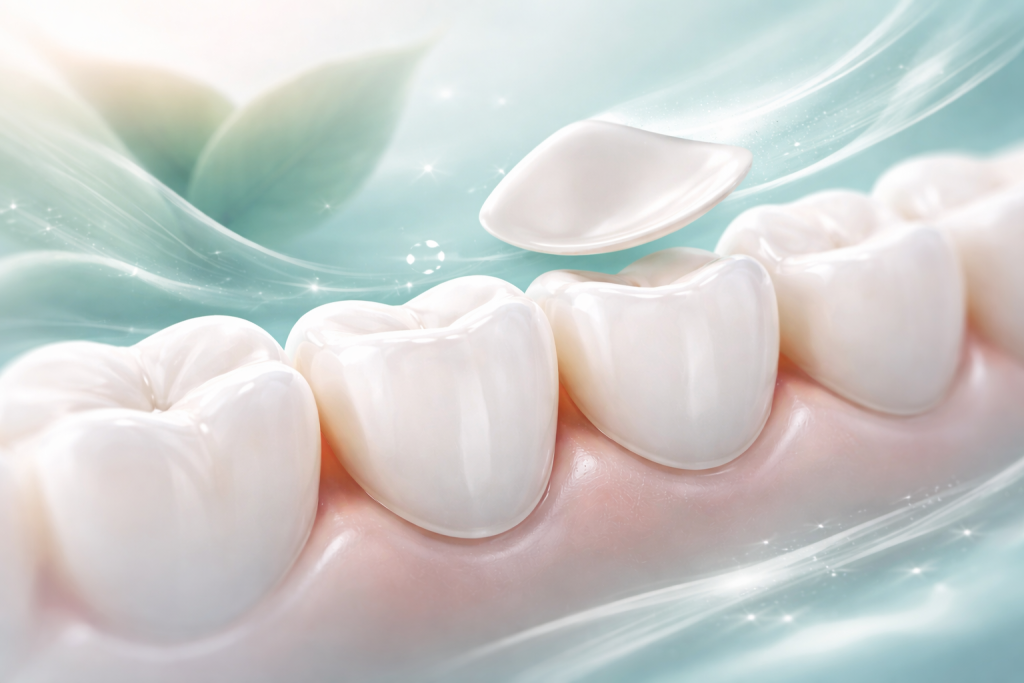
Veneers are custom-made restorations bonded to the visible surface of teeth. Unlike crowns, they do not cover the entire tooth. Their purpose is to enhance appearance while preserving as much natural tooth structure as possible.
Modern ceramic veneers are designed to mimic natural enamel in translucency and texture. When well planned, they integrate seamlessly with surrounding teeth and gums. The process typically involves minimal tooth preparation, precise digital design, and careful bonding.
Biocompatibility is key. High-quality ceramic materials are generally well tolerated by gum tissue and resist staining over time, supporting both hygiene and comfort.
Aesthetic improvement versus functional balance
While veneers are primarily chosen for aesthetic reasons, their functional impact should not be overlooked. Changes in tooth shape and length can subtly influence bite dynamics, speech, and chewing patterns.
A responsible approach to veneers considers jaw alignment, muscle tension, and existing habits such as clenching or grinding. Ignoring these factors may lead to discomfort or premature wear.
From a biological standpoint, harmony matters more than perfection. A natural-looking smile that respects the body’s mechanics is more sustainable than an overly aggressive cosmetic result.
True beauty in dentistry is often invisible. It feels comfortable.
Longevity considerations and daily care
With proper care, ceramic veneers can last 10 to 15 years or more. Longevity depends on oral hygiene, bite forces, and lifestyle factors. Stress management is surprisingly relevant, as chronic tension often expresses itself through the jaw.
Regular dental follow-ups, gentle cleaning habits, and avoiding excessive pressure on the teeth help preserve veneers over time. Veneers are durable, but they are not indestructible.
From a conscious longevity perspective, veneers should be seen as a long-term partnership between material science, daily habits, and self-awareness.
Conclusion
So, veneers what are they really? They are not just cosmetic accessories. They are medical restorations that interact with biology, behavior, and time.
When chosen thoughtfully and applied with restraint, veneers can enhance confidence while respecting oral health and long-term balance. Longevity, even in dentistry, is about coherence, not excess.
Sogevity. The longevity experience
Live longer. Live better.