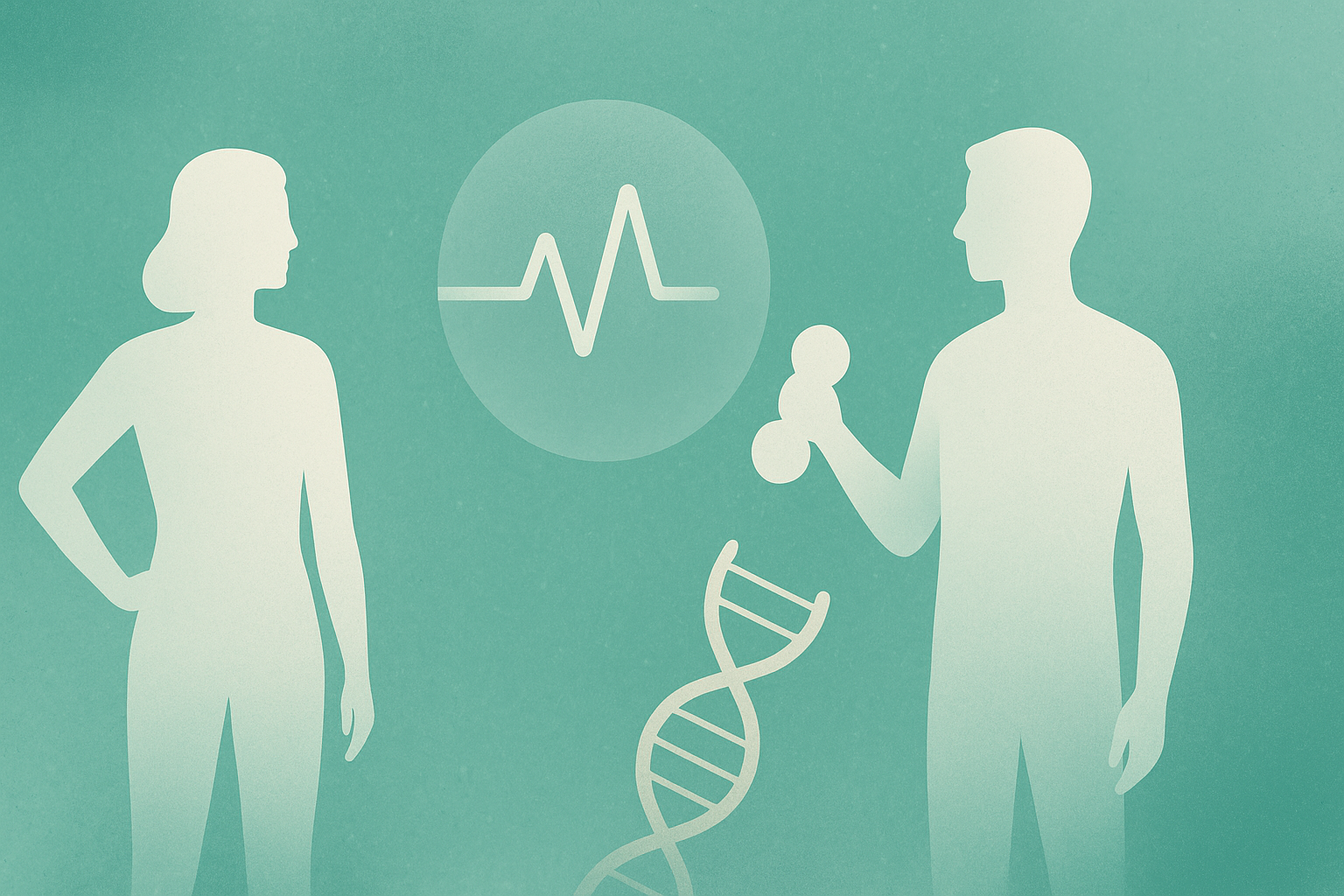
In recent years, one study has stood out for its clarity and impact. Presented in 2023 at the American Society for Nutrition, it identified eight lifestyle habits that could add up to 24 years of life for men and 21 for women when adopted around age forty. This magnitude is rare in scientific literature, especially for habits that remain simple, accessible and grounded in physiology. What these findings truly reveal is that biological age is far more malleable than we once believed. Inflammation, mitochondrial efficiency, metabolic stability, emotional balance and daily rhythms all shape how long — and how well — we live.
This article brings these eight habits to life, explains the mechanisms behind them, and guides you toward practical adjustments without rigidity. Longevity is not an extreme protocol. It is a pattern of gentle choices that accumulate toward a healthier biological future.
Physical activity: the foundation of a longer life
Movement sends a powerful message to your cells: stay active, stay adaptable.
Regular physical activity improves mitochondrial function, supports cardiovascular stability and reduces chronic inflammation — three biological forces intimately linked to ageing. The study found that people who move daily, even moderately, significantly reduce their risk of premature mortality. The body thrives on regular stimulation, not intensity; small, daily movements create a resilient metabolic rhythm that slows biological ageing.
What you can apply concretely is simple and accessible. Aim for daily movement rather than sporadic intensity. Walk throughout the day, integrate strength work twice a week and add one moderate cardio session to support endurance. These gentle rhythms gradually improve the way your cells respond to stress.
Every step is a quiet investment in your future.
A nutrient-rich, minimally processed diet
What you eat shapes the terrain in which your cells age.
A diet built on whole foods — plants, fibers, legumes, healthy fats, quality proteins — reduces systemic inflammation, supports the microbiome and stabilises glucose levels. Ultra-processed foods do the opposite, creating oxidative stress and disrupting metabolic balance. The study showed that individuals following a nutrient-rich diet gained several additional years of life expectancy, highlighting how deeply nutrition influences biological resilience.
What you can apply concretely is to simplify your plate. Prioritise vegetables, legumes, nuts, fruits and unprocessed proteins. Reduce sugars and industrial foods that burden metabolic pathways. Hydrate steadily and cook more often when possible. These gentle adjustments bring clarity to your internal terrain.
Nourishing your body is nourishing your future.
Stress management as a biological necessity
Your nervous system determines how gracefully you age.
Chronic stress accelerates telomere shortening, increases inflammation and disrupts sleep cycles — a combination that rapidly increases biological age. The study revealed that individuals practising regular stress-reduction techniques lived significantly longer, regardless of their other habits. The nervous system thrives on alternation: activation followed by genuine recovery. Without this balance, inner tension becomes biological wear.
What you can apply concretely is to introduce micro-moments of recovery. Five minutes of slow breathing, a mindful walk, a quiet pause or a short meditation help rebalance your autonomic system. It is the consistency, not the duration, that shapes resilience.
Calm is a practice that rewrites your biology.
Sleep: the deep repair cycle
Nighttime is when your biology cleans, restores and rebalances.
Quality sleep repairs mitochondrial damage, regulates hormones, stabilises immune function and supports cognitive clarity. The study found that people who sleep between seven and nine hours — with regular timing — gain several years of life expectancy. Poor sleep, by contrast, disrupts glucose, elevates cortisol and accelerates cellular ageing. Sleep is not a luxury but a biological imperative.
What you can apply concretely is to create a gentle evening routine. Choose a consistent bedtime, dim lights, limit screens and favour a cooler, quiet bedroom. A lighter dinner and a calming ritual — reading or stretching — help enter deeper phases of restoration.
Good sleep is one of the most elegant ways to age well.
Avoiding smoking
Few habits age the body more rapidly than smoking.
Smoking damages DNA, reduces oxygenation, increases oxidative stress and burdens almost every organ system. In the study, avoiding smoking was among the three most impactful habits for extending lifespan. Even quitting later in life significantly reduces mortality risk — the body begins repairing almost immediately once exposure stops.
What you can apply concretely is to seek support, reduce gradually if needed and replace the ritual with a calming alternative such as breathing, tea or a short walk. Every smoke-free day lowers biological strain.
Each clear breath opens space for renewal.
Limiting alcohol to low or occasional consumption
Alcohol adds a subtle but constant load on metabolism and recovery.
Excess consumption increases inflammation, strains liver function, disrupts sleep quality and alters hormonal balance. The study showed that limiting alcohol — or abstaining — significantly extends lifespan because it frees detoxification pathways and improves metabolic stability. Small reductions create measurable benefits for energy and clarity.
What you can apply concretely is to choose alcohol-free evenings during the week, favour quality over quantity and hydrate regularly. Your body responds quickly to lighter intake.
Reducing what burdens you creates space for vitality.
Maintaining a stable, healthy body composition
Your body composition tells the story of your metabolic balance.
A stable weight supported by adequate muscle mass reflects strong insulin sensitivity, lower inflammation and efficient mitochondrial function. The study identified healthy body composition as one of the key factors improving life expectancy. It is not about thinness, but about physiological coherence and reduced visceral fat, which heavily influences biological ageing.
What you can apply concretely is to emphasise strength training, balanced meals, quality proteins and regular sleep. These anchors naturally improve composition over time. Progress is gradual, but meaningful.
Balance in the body becomes balance in life.
Social connection: the hidden pillar of long life
Longevity is also emotional, relational and deeply human.
The study revealed that strong social support — meaningful relationships, a sense of belonging, emotional safety — significantly increases lifespan. Social connection reduces stress hormones, strengthens immune function and improves cardiovascular health. Human beings are biologically wired for connection; isolation acts like a chronic stressor.
What you can apply concretely is to nourish a few key relationships. Share meals, take walks, reconnect with someone you trust or join a community aligned with your values. Even small interactions create biological benefits.
A connected life ages more slowly.
Conclusion
These eight habits, highlighted by a major study of over 700,000 participants, show that longevity is largely shaped by daily choices rather than destiny. They do not require radical change, only consistency and awareness. By cultivating movement, restorative sleep, emotional balance, nourishing nutrition and supportive relationships, you influence your biological age in a profoundly positive direction. Longevity is not about adding years at any cost, but about entering each year with more stability and presence.
Sogevity. The longevity experience
Live longer. Live better.
Continue exploring longevity
Explore this longevity topic