Key information
- Sebacic acid is a naturally occurring dicarboxylic acid involved in certain aspects of lipid metabolism.
- It may indirectly support cellular energy pathways and mitochondrial function.
- Emerging research associates it with applications in metabolic health and clinical nutrition.
- It is also used in biomedical and dermatological formulations thanks to its stability and biocompatibility.
- A study published in The Journal of Clinical Investigation explored how dicarboxylic acid–based nutritional compounds may help support energy utilization in specific metabolic contexts.
In conversations around healthy aging and cellular wellness, certain compounds tend to stay in the background despite their interesting biological profile. Sebacic acid is one of those lesser-known molecules that researchers have quietly continued to explore for its potential connection to energy metabolism and metabolic resilience.
Naturally involved in several biochemical pathways, this dicarboxylic acid is being studied for its interaction with lipid metabolism and mitochondrial energy production. While it is not considered a mainstream “longevity ingredient,” it fits into a broader vision of supporting metabolic balance in a gentle and sustainable way.
In this article, we explore what sebacic acid actually is, how it works within the body, the potential benefits associated with it, and the precautions and practical considerations surrounding its use in a vitality-focused wellness routine.
Sebacic acid is still a niche topic in the longevity space, which means the scientific literature remains more limited than it is for ingredients such as magnesium, omega‑3s, or polyphenols. Still, a number of published papers give us useful insight into how this molecule behaves in metabolism and why researchers continue to study it.
What makes it interesting is not a dramatic health claim. It is the fact that sebacic acid sits at the intersection of cellular energy, lipid metabolism, and metabolic adaptation. Those three areas are central to how the body produces energy, responds to stress, and maintains resilience over time.
At SOGEVITY, these quieter mechanisms matter. Healthy aging is often built on small, consistent biological processes working well in the background — mitochondrial efficiency, stable energy production, balanced inflammation, and recovery capacity. Sebacic acid enters the conversation through that lens.
What Is Sebacic Acid?
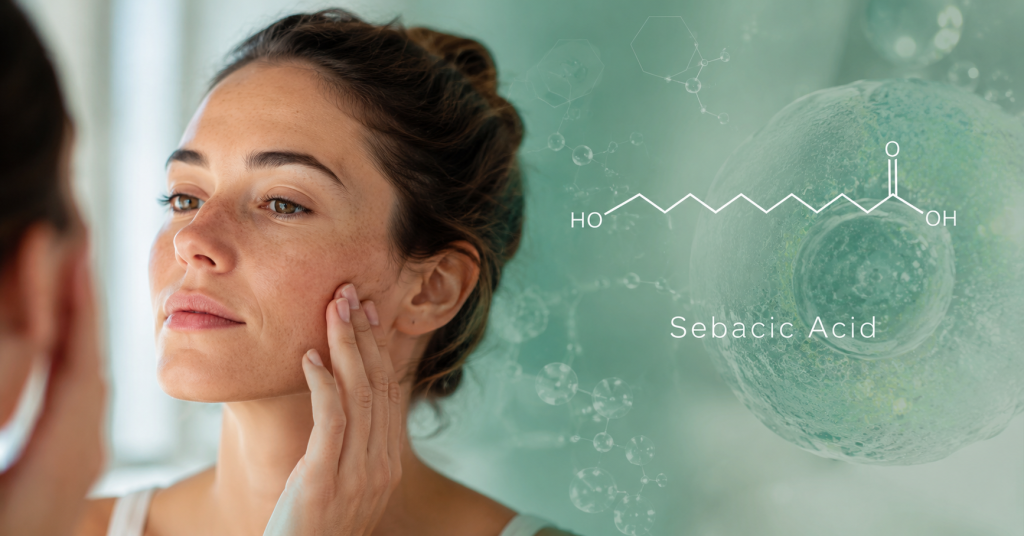
Sebacic acid is a naturally occurring dicarboxylic acid composed of ten carbon atoms. It is primarily derived from castor oil, a plant-based source rich in unique fatty acids.
Within the body, dicarboxylic acids are formed during certain stages of lipid metabolism, particularly when fatty acid oxidation pathways become active. Sebacic acid therefore belongs to a family of compounds associated with cellular energy regulation.
Beyond metabolism, it is also widely used in biomedical applications for the production of biodegradable polymers, medical materials, and certain dermatological formulations. Its favorable biocompatibility partly explains the growing scientific interest surrounding this molecule.
One of its distinguishing characteristics lies in its stable structure and its indirect involvement in metabolic pathways related to mitochondrial energy dynamics.
Did you know?
Dicarboxylic acids such as sebacic acid have been investigated for decades for their potential role in alternative energy metabolism and specialized clinical nutrition.
How does it work?
Primary mechanism of action
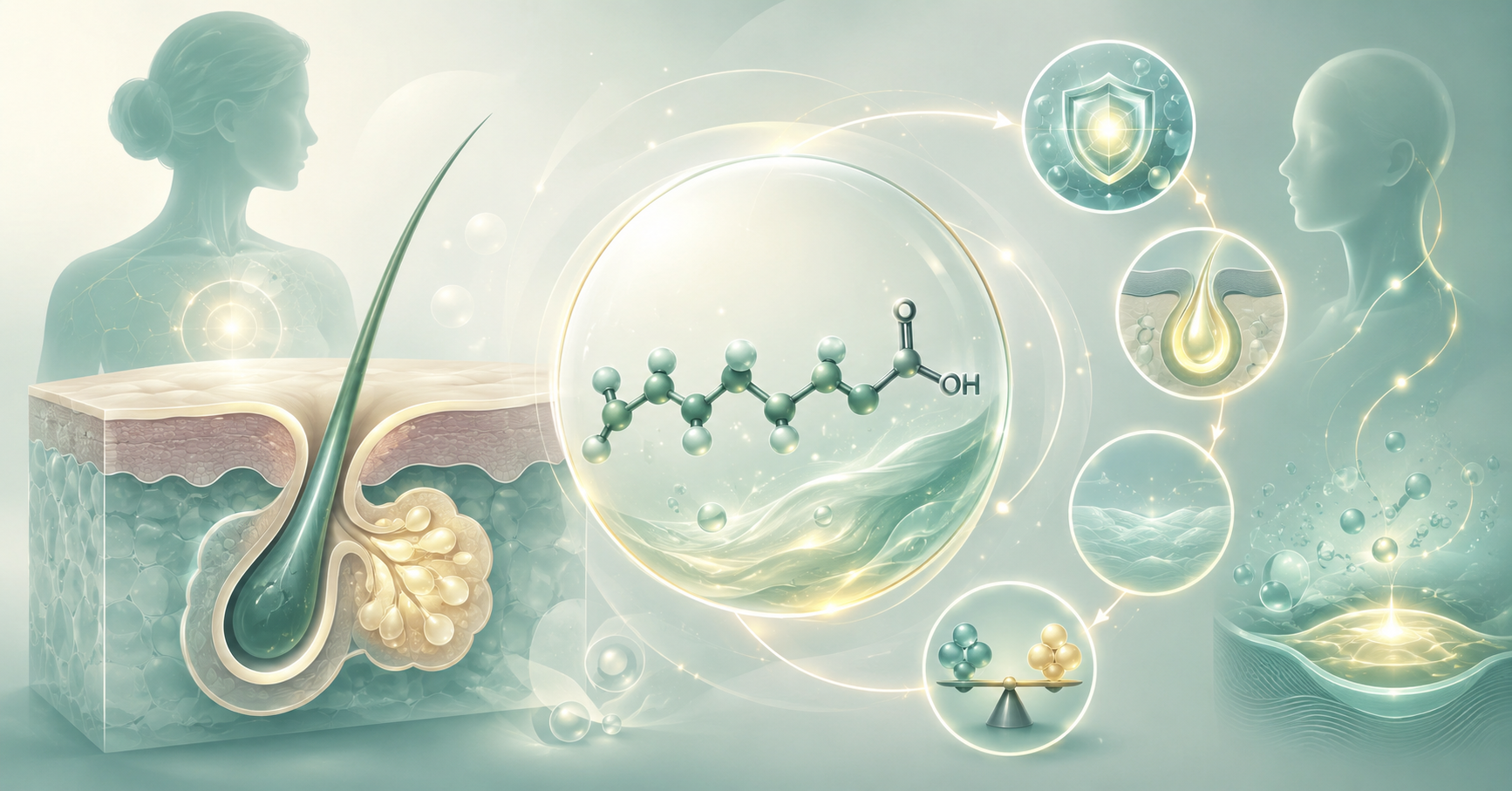
Sebacic acid mainly interacts with metabolic pathways involved in lipid utilization and cellular energy production. Once metabolized, it may serve as an intermediate energy substrate under certain physiological conditions.
Researchers are particularly interested in its ability to bypass some conventional stages of fatty acid oxidation. This property could help support cellular energy availability when metabolic demands increase.
Its indirect involvement in mitochondrial function explains why sebacic acid sometimes appears in experimental nutritional formulations designed to support metabolic balance and cellular vitality.
Effects at the tissue level
At the cellular level, mechanisms associated with sebacic acid may contribute to several biological processes:
- supporting mitochondrial energy production pathways;
- helping maintain cellular lipid balance;
- assisting metabolic adaptation processes;
- contributing to a more stable cellular environment during periods of energetic stress.
In dermatological research, related dicarboxylic compounds are also being explored for their skin compatibility and biomimetic properties.
What this could mean for longevity
Several published studies help bring this into perspective.
A human study published in JPEN in 1994 explored how sebacate, a form related to sebacic acid, influenced glucose utilization in metabolic settings. Researchers investigated dicarboxylic acids as alternative energetic substrates in humans, highlighting their potential role in energy metabolism support rather than direct supplementation.
Earlier work published in 1989 also examined dicarboxylic acids as energy substrates in humans, opening the door to further exploration around metabolic flexibility and fuel utilization.
More recently, a 2024 paper in The Journal of Clinical Investigation added renewed interest to this field by showing that dicarboxylic acids may influence energy expenditure and metabolic responses in the context of Western-diet stress. While this research is still evolving, it reinforces why these compounds remain relevant in longevity and metabolic science.
From a longevity perspective, sebacic acid should not be viewed as a miracle compound, but rather as part of a larger scientific effort to better understand cellular energy regulation.
Maintaining metabolic flexibility and stable energy production is increasingly associated with healthy aging. By indirectly supporting mitochondrial pathways, dicarboxylic acids may help sustain cellular vitality over time.
Study Spotlight
2013 – Experimental Study: The Journal of Clinical Investigation
Researchers observed that a nutritional formulation containing dicarboxylic acids may support specific cellular energy pathways in certain metabolic conditions.
Benefits associated with sebacic acid
Supporting cellular energy metabolism
One of the reasons researchers are interested in sebacic acid is its connection to cellular energy production. Dicarboxylic acids are currently being explored for their ability to provide alternative energy sources in specific metabolic situations, particularly when energy demands increase.
In practical terms, this could help support more stable cellular energy availability and contribute to metabolic adaptability — two elements often associated with healthy aging and long-term vitality.
Supporting metabolic flexibility
Metabolic flexibility refers to the body’s ability to efficiently switch between different energy sources. Over time, or under the influence of lifestyle imbalances, this flexibility may gradually decline.
Research in this area is still emerging, but scientists are exploring whether compounds like sebacic acid may help support metabolic flexibility over time. This matters because maintaining efficient energy use is increasingly associated with healthy aging and cellular resilience.
Biomedical and skin-related applications
Sebacic acid is also studied in biomedical and dermatological fields because of its stability and compatibility with biological tissues. It is commonly used in the development of biodegradable materials and specialized formulations designed to interact gently with the body.
Although these applications differ from traditional supplementation, they further highlight the versatile and generally well-tolerated profile of this dicarboxylic acid.
Natural Sources
Sebacic acid itself is not commonly consumed directly through food, but related compounds and precursors may be associated with:
- castor oil
- certain plant-derived fatty acids
- natural lipid metabolism pathways
- plant-based biomaterials
- specialized nutritional formulations.
Dosage, forms & bioavailability
This is an area where scientific caution matters.
At the moment, there is no widely established wellness dosage for sebacic acid comparable to better-known nutrients. Most published work focuses on metabolism, biochemical pathways, or clinical nutrition models rather than consumer supplementation.
That means any discussion around dosage should remain measured and evidence-based. Today, sebacic acid is best understood through the available mechanistic and clinical research rather than through mainstream supplement protocols.
According to PubChem, sebacic acid is recognized both as a plant metabolite and a human metabolite, which helps explain why it continues to attract scientific interest in metabolic research.
Sebacic acid is mainly used in industrial, biomedical, or experimental nutrition settings. At present, human data regarding standardized oral supplementation remain limited.
In some experimental studies, dicarboxylic acids have been incorporated into nutritional blends designed to support energy metabolism. Dosages vary considerably depending on the intended application.
Sebacic acid may be found in several forms:
- technical or pharmaceutical-grade powder
- components of biomedical polymers
- experimental nutritional formulations
- derivatives used in dermatological preparations.
Potential synergies are sometimes discussed with:
- medium-chain fatty acids
- mitochondrial-supportive nutrients
- cellular antioxidants
- metabolic cofactors.
As a precaution, long-term nutritional use should ideally be supervised by a qualified healthcare professional.
Safety & precautions
Sebacic acid is generally considered to have a favorable biocompatibility profile in industrial and biomedical applications.
However, scientific data regarding regular oral supplementation remain limited. As a result, the long-term safety profile has not yet been fully established.
Additional caution may be appropriate:
- during pregnancy or breastfeeding;
- in the presence of complex metabolic conditions;
- alongside specific medical treatments;
- for individuals with digestive sensitivities.
As with any compound involved in cellular metabolism, professional guidance is recommended before considering supplementation.
How to integrate it into a longevity routine
When to take it
When included in experimental or specialized nutritional protocols, sebacic acid is generally incorporated into broader metabolic support strategies.
Taking it alongside meals may theoretically improve digestive tolerance.
What to combine it with
Within a broader vitality-focused lifestyle, it may be paired with:
- nutrients that support mitochondrial function
- a polyphenol-rich diet
- omega-3 fatty acids
- restorative sleep habits
- regular moderate physical activity.
A simple longevity-oriented routine
A gentle and sustainable approach may include:
- a Mediterranean-style diet rich in plant foods
- regular movement supporting metabolic flexibility
- nutrients that help sustain cellular energy
- sufficient recovery and rest
- stress management practices that promote overall balance.
Within this context, sebacic acid would be viewed as a complementary element rather than a standalone solution.
Who might find it particularly interesting?
Current research surrounding sebacic acid may be especially relevant for:
- individuals interested in mitochondrial health
- metabolic flexibility approaches
- clinical nutrition professionals
- researchers exploring biomaterials and cellular aging.
Could a quiet molecule help support metabolic balance?
Sebacic acid remains a relatively underexplored compound in the field of longevity nutrition. Yet its involvement in cellular energy pathways and biomedical research makes it an intriguing subject of ongoing scientific interest.
Rather than being presented as a “miracle ingredient,” sebacic acid reflects a more thoughtful direction in longevity science: understanding how cellular energy, metabolic balance, and mitochondrial function may influence vitality over time.
At SOGEVITY, longevity is viewed as a long-term balance rather than a quick solution. Nutrition, movement, recovery, sleep quality, and emotional balance all work together to support healthy aging. Within this broader approach, sebacic acid may represent a small but interesting piece of the larger conversation around cellular energy and sustainable vitality.
Sources
- Roe, C. R., et al. (2013). Medium-chain triglycerides and triheptanoin in the management of long-chain fatty acid oxidation disorders. The Journal of Clinical Investigation. https://www.jci.org/articles/view/68928
- Gunstone, F. D. (2011). Vegetable Oils in Food Technology: Composition, Properties and Uses. Wiley-Blackwell.
- Tsujimoto, T., et al. (2001). Metabolism of dicarboxylic acids and energy pathways in human physiology. Journal of Nutritional Biochemistry.
- Vert, M., et al. (1992). Bioresorbability and biocompatibility of aliphatic polyesters. Journal of Materials Science: Materials in Medicine.
- PubChem – Sebacic Acid. https://pubchem.ncbi.nlm.nih.gov/compound/Sebacic-acid