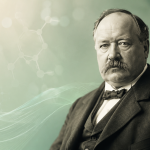
The Project Blueprint founder shared a synthesis of his clinical observations. A document that prioritizes daily interventions and reaffirms the importance of environmental and behavioral factors in slowing down aging.
SAN FRANCISCO : Bryan Johnson, the American entrepreneur known for his Project Blueprint biological optimization protocol, published this Wednesday, May 13, 2026, a list of 41 fundamental rules for health and longevity. Entitled “Everything I learned spending millions on longevity,” this manifesto, shared on his X account (formerly Twitter), details the behavioral pillars that now structure his method, focusing on accessible interventions validated by his clinical data.
At 48 years old, the entrepreneur has been documenting the impact of innovative therapies and precision medical tracking on his own organism for several years. While his research integrates advanced medical technologies, this new charter synthesizes the essential lifestyle factors required to support homeostasis (the body’s internal balance) and slow down biological aging. This publication marks an important milestone in the dissemination of knowledge related to longevity medicine, offering a clear framework for the practical application of quantitative health sciences in daily life.
Bryan Johnson’s approach has often been mediatized through the prism of its financial cost and technical complexity. However, the release of this manifesto formalizes a transition toward a more global and integrative approach. This is not a paradigm shift, but a modeling of what modern preventive medicine terms “Lifestyle Medicine,” where the precision of clinical data validates and optimizes basic biological behaviors.

The architecture of the protocol: The 41 pillars of lifestyle
The document shared by Bryan Johnson proposes a prioritization of daily habits, classified according to their direct impact on his own blood, cardiovascular, and metabolic biomarkers:
- Sleep optimization:Qualified as “rule zero” and the most powerful lever of the overall protocol, sleep is subject to a mathematically rigorous hygiene. The entrepreneur advocates for an unavoidable 8-hour window in bed, regular sleep schedules set before midnight, and the total exclusion of all screen sources and blue light one hour before bedtime. This rule is based on the need to maximize deep and REM sleep phases, times when the organism activates its macromolecular repair processes.
- Nutritional chronobiology:Respecting circadian cycles and digestion is presented as crucial for the quality of nightly rest. The charter advises limiting late caloric intake and prioritizing nutrients with high metabolic stability that do not negatively impact heart rate variability (HRV) or basal body temperature during the night.
- Nutrient density:The exclusion is strict regarding added sugars, trans fats, fried foods, and all ultra-processed products. The protocol imposes a plant-oriented diet, rich in micronutrients, antioxidants, polyphenols, and fiber (cruciferous vegetables, dark berries, nuts, legumes). The emphasis is placed on the purity of intake to limit low-grade systemic inflammation, often referred to as inflammaging.
- Physical conditioning:The charter structures physical activity around three complementary axes: routine high-intensity heart rate stimulation (Zone 2 and Zone 5 cardio), muscle strengthening through heavy lifting to preserve lean mass (fighting sarcopenia), and daily stretching sessions. Constant vigilance is recommended against prolonged sedentary behavior, notably through the integration of light walks or squats immediately after meals.
- Environmental control:The manifesto highlights the reduction of environmental stressors and potential endocrine disruptors. This includes removing shoes at the entrance to limit the introduction of toxins, regular renewal and engineering of indoor air, a drastic reduction in exposure to plastic containers, and maintaining a cool temperature in the sleeping space to promote the body’s natural thermoregulation.
- Nervous system regulation:The preservation of mental and social health is integrated as a clinical variable. The charter recommends maintaining at least one high-quality, real-world social interaction per week to nurture social bonds. In parallel, active management of mental load involves a strict technological disconnection (turning off notifications) and learning respiratory regulation techniques (such as cardiac coherence) to modulate sympathetic nervous system activity during stressful episodes.
- Eviction of cellular stress factors:The elimination discipline applies to alcohol and tobacco in all their forms, recognized as major inducers of oxidative stress. In addition, caffeine consumption is strictly limited to the first part of the day (ending intake before noon) so as not to interfere with adenosine receptors, and intense light exposure is banned after sunset to preserve the endogenous secretion of melatonin.
- Prevention and safety:Beyond cellular therapies, the charter integrates basic but statistically high-impact behavioral safety rules, such as an absolute ban on texting while driving. It also covers skin protection against ultraviolet (UV) radiation during peak index hours, the preservation of auditory capital against urban noise pollution, and rigorous oral care, as gum health is directly linked to systemic cardiovascular health.
A convergence with epigenetics research
The scientific interest of this publication lies in the direct correlation between health data from precision medicine and the major principles of human physiology. By placing sleep, chronobiology, and raw nutrition at the top of its priorities, the Blueprint protocol aligns with the most robust conclusions of contemporary research in epigenetics—the science that studies how the environment and lifestyle modify the expression of our genes.
Data accumulated by longevity clinics demonstrate that lifestyle modifications act as molecular switches. For example, restricting the eating window and avoiding refined sugars directly target nutrient-sensing pathways, such as the mTOR pathway, AMPK, and sirtuins. The regulation of these enzymatic pathways is precisely what aging research attempts to manipulate through pharmacological means. The fact that a protocol backed by millions of dollars in analysis highlights these elements demonstrates that behavioral optimization is the most direct and stable way to regulate these processes.
- The key role of the glymphatic system: Johnson’s emphasis on sleep regularity aligns with neuroscience discoveries regarding the clearance of metabolic waste from the brain (such as beta-amyloid plaques) during deep sleep phases. Without this drainage phase, the efficacy of other cognitive or longevity therapies is significantly diminished.
This systemic approach echoes, in particular, observational studies conducted on populations in the “Blue Zones” (such as Okinawa in Japan or Sardinia in Italy). These regions of the globe are characterized by an exceptional density of healthy centenarians. The analysis of their lifestyle shows that they empirically and consistently apply the majority of the rules listed in Johnson’s manifesto: a diet rich in plants and antioxidants, natural daily physical movement integrated into the environment, a protective social network, and very low chronic stress levels.
Furthermore, these observations are in perfect consistency with clinical work published in international reference journals such as Nature Medicine. This research demonstrates through controlled trials that targeted and rigorous lifestyle modifications, when combined with basic micronutrient supplementation, exert a measurable action on DNA methylation clocks. These clocks, called epigenetic clocks or Horvath clocks, measure the real biological age of the organism compared to its chronological age. Data indicate that an individual engaged in correcting their lifestyle hygiene can observe measurable biological rejuvenation within a few months, confirming the systemic impact of these daily micro-decisions.
A methodological clarification for the longevity sector
For professionals in quantitative health, biotechnology, and geroscience, this synthesis does not constitute a renunciation of clinical innovations, but an essential clarification of their application timeline and hierarchy. Through Project Blueprint, Bryan Johnson continues to test a wide spectrum of advanced therapies;including cellular therapies, genomic analyses, shockwave therapies, and tissue regeneration protocols. Moreover, his public medical reports show a notable improvement in his heart variability, an increase in lung capacity, and optimized skin density.

Consequently, the major contribution of this manifesto is to establish a clear distinction between advanced optimization tools, which act as multipliers of biological performance, and the unavoidable baseline that constitutes lifestyle, which is its foundation. By demonstrating that the effectiveness of cutting-edge protocols depends primarily on the regularity of simple physiological habits, the entrepreneur helps structure a rational and integrative approach to longevity.
This distinction is crucial for the evolution of the wellness industry and preventive medicine. It allows diagnostic technologies (such as DNA sequencing, comprehensive metabolic panels, or advanced imaging) to be repositioned not as isolated miracle solutions, but as guidance tools. The data generated by these cutting-edge technologies serves to fine-tune the settings: it indicates precisely how many minutes sleep should be extended, which specific micronutrients are missing from the diet, or what type of physical effort will maximize mitochondrial biogenesis (the creation of new energy factories in cells).
| Intervention Category | Examples of Fundamental Pillars | Role of Precision Data | Expected Biological Impact |
| Cellular Restoration | 8h sleep, regular circadian rhythm | Tracking deep sleep phases and HRV | Activation of the glymphatic system, DNA repair |
| Metabolic Optimization | Plant-based nutrition, sugar avoidance | Analysis of blood and lipid biomarkers | Reduction of low-grade inflammation (inflammaging) |
| Homeostatic Conditioning | Strength training, high-intensity cardio training | Measurement of VO2 max and lean mass | Preservation of mitochondrial function and fight against sarcopenia |
| Epigenetic Regulation | Stress management, toxin avoidance | Biological age tests (DNA methylation) | Modulation of gene expression related to longevity |
Toward an integrative longevity medicine?
Ultimately, the charter published by Bryan Johnson serves as a reminder that successful longevity medicine is increasingly becoming part of an integrative dynamic. This approach does not oppose the traditions of public hygiene and cutting-edge technological innovation, but rather seeks to merge them in a coherent and measurable way. Biotechnological innovations and complex molecular analyses find their full utility when they complement, rather than replace, a rigorous life structure validated by clinical data.
This 41-point manifesto illustrates the fact that the most advanced protocols in the world rely on universal physiological constants. The added value of modern science does not lie in the negation of these basic principles, but in the ability to precisely quantify their impact, optimize their implementation, and prove their effectiveness in slowing down cellular aging. It is in this rigorous synergy between behavioral discipline and data validation that the future of preventive health is being shaped.
Continue exploring longevity
Explore this longevity topic