
Key Takeaways
- Naturally rich in alpha-linolenic acid (ALA), it may contribute to gentle inflammatory balance.
- Its primary mechanism involves supporting cell membrane structure and lipid signaling pathways.
- Associated with cardiovascular health, it participates in a long-term longevity-oriented approach.
- Easily integrated into daily nutrition when used cold in dressings or added to meals.
- A meta-analysis suggests ALA intake may be associated with modest improvements in lipid profiles.
Linseed oil, also known as flaxseed oil, has gained attention in nutrition science for its potential role in supporting cellular vitality and long-term metabolic balance. Naturally concentrated in alpha-linolenic acid (ALA), a plant-based omega-3 fatty acid, it aligns with dietary strategies aimed at maintaining cardiovascular equilibrium and healthy cellular function.
In the context of longevity research, gentle inflammation and oxidative stress are studied as contributors to cellular aging. Certain dietary lipids may help modulate these processes at a structural level. Linseed oil, through its fatty acid composition, may participate in maintaining membrane integrity and metabolic resilience.
Let us explore how it works, what research suggests, and how it can be thoughtfully integrated into a sustainable wellness routine.
What Is It?
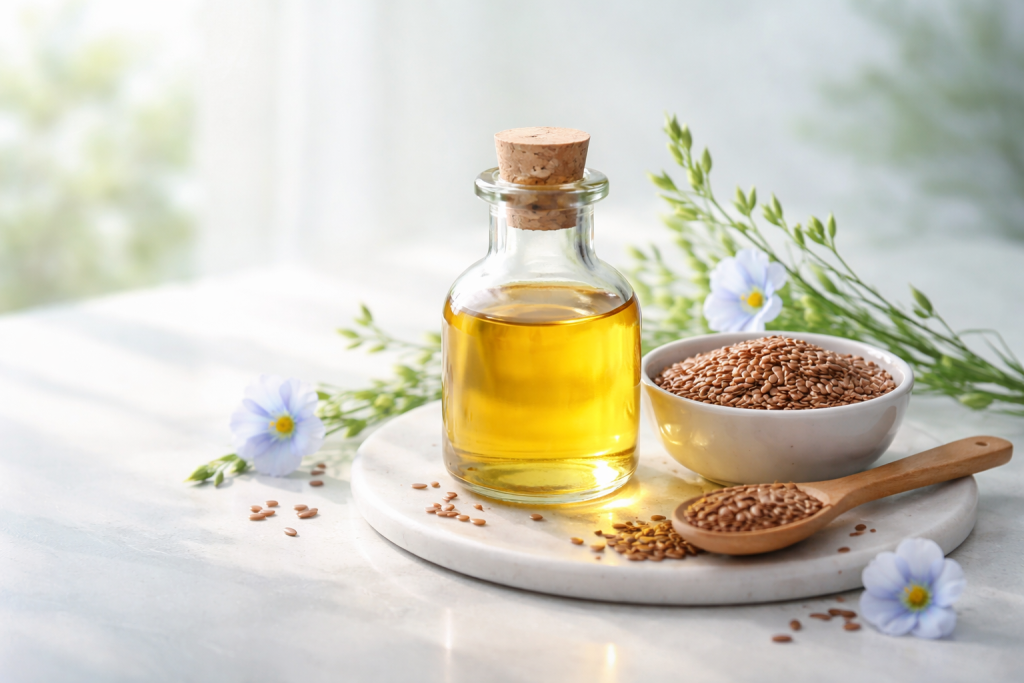
Linseed oil is extracted from the seeds of Linum usitatissimum, a plant cultivated for thousands of years for both textile and nutritional uses.
Its defining characteristic is its exceptionally high concentration of alpha-linolenic acid (ALA), an essential omega-3 fatty acid. Because the body cannot synthesize ALA, it must be obtained through dietary sources.
Within the body, ALA can be partially converted into EPA and DHA—long-chain omega-3 fatty acids involved in cardiovascular, neurological, and cellular processes. However, this conversion is relatively limited, which underscores the importance of consistent dietary intake.
Did you know?
Linseed oil may contain more than 50% ALA, making it one of the richest plant-based sources of omega-3 fatty acids.
How Does It Work?
Primary Mechanism
Alpha-linolenic acid integrates into cell membranes.
By influencing membrane lipid composition, it may affect membrane fluidity and cellular signaling pathways.
ALA also plays a role in balancing omega-3 and omega-6 fatty acids, a ratio studied for its potential influence on gentle inflammatory processes.
Effects at the Tissue Level
- Cardiovascular system: ALA intake is associated with support for vascular function and lipid balance.
- Skin: By contributing to membrane integrity, it may support skin suppleness and hydration.
- Cellular energy: Polyunsaturated fatty acids participate in mitochondrial membrane structure, which is central to energy production.
What This Means for Longevity
Supporting membrane quality and lipid equilibrium may help maintain cellular resilience over time.
Rather than offering rapid or dramatic effects, linseed oil may provide structural, long-term support—consistent with a sustainable longevity strategy focused on balance and cellular vitality.
🔬 Study Spotlight
2018 – Meta-analysis of randomized controlled trials
Published in the Journal of the American Heart Association
Key finding: ALA supplementation was associated with modest reductions in LDL cholesterol and triglycerides.
https://www.ahajournals.org/doi/10.1161/JAHA.118.009776
Potential Benefits
Cardiovascular Support
Research suggests that regular ALA intake may be associated with moderate improvements in blood lipid markers.
In practical terms, incorporating linseed oil into a balanced dietary pattern may contribute to a heart-conscious nutritional approach.
Gentle Inflammatory Modulation
Omega-3 fatty acids are studied for their role in influencing lipid mediators involved in inflammatory pathways.
As part of a plant-rich diet, linseed oil may help support a more balanced cellular environment.
Skin and Membrane Integrity
Polyunsaturated fatty acids contribute to the structure and flexibility of cell membranes, including those of the skin.
Over time, this may translate into improved comfort and support for skin barrier function.
Natural Sources
- Cold-pressed linseed (flaxseed) oil
- Ground flaxseeds
- Omega-3 enriched plant-based preparations
- Blended oils rich in ALA
Dosage, Forms & Bioavailability
Clinical studies typically evaluate ALA intakes ranging from 1 to 3 grams per day.
One tablespoon of linseed oil may provide approximately 6–8 grams of ALA, though total dietary balance remains essential.
Available forms:
- Liquid oil (must be refrigerated)
- Capsules
- Freshly ground seeds
Potential synergies:
- Antioxidant-rich foods
- Moderated omega-6 intake
- Vitamin E to help limit oxidation
Daily use is generally considered appropriate within the context of a varied and balanced diet.
Safety & Precautions
Linseed oil is generally well tolerated when consumed in typical dietary amounts.
Considerations include:
- Possible mild digestive sensitivity at higher intakes
- Caution in individuals using anticoagulant medications
- Importance of proper storage (refrigeration, protection from light) to prevent oxidation
Professional guidance may be advisable for individuals with medical conditions or ongoing treatments.
How to Integrate It into a Longevity Routine
When to Take It
Preferably with meals, to support absorption and digestive comfort.
What to Pair It With
- Colorful vegetables
- Polyphenol-rich foods
- Plant-based proteins
- Fiber-rich meals
A Simple Routine Example
Add one tablespoon of cold-pressed linseed oil to a vegetable-based salad with lemon juice and fresh herbs.
A small, consistent gesture aligned with an anti-inflammatory and longevity-oriented dietary pattern.
Who May Benefit Most
- Individuals following vegetarian or vegan diets
- Those seeking to rebalance omega-3 to omega-6 intake
- People adopting a gentle, preventive cardiovascular strategy
A quiet plant ally for cellular balance over time?
Linseed oil does not promise immediate transformation. Instead, it represents a structural nutritional element—supporting membrane integrity, lipid equilibrium, and metabolic stability.
In a conscious longevity approach, small and consistent dietary choices may shape the cellular environment over the long term. Plant-based omega-3s, when integrated thoughtfully, can contribute to this foundation of sustainable vitality.
Selected carefully, stored properly, and consumed regularly, linseed oil may serve as a simple yet meaningful addition to a health-oriented lifestyle rooted in balance and resilience.
Sources
Pan, A., et al. (2012). Alpha-linolenic acid and risk of cardiovascular disease: a meta-analysis. American Journal of Clinical Nutrition.
https://pubmed.ncbi.nlm.nih.gov/22552035/
Wei, J., et al. (2018). Effects of α-Linolenic Acid on Cardiovascular Risk Markers. Journal of the American Heart Association.
https://www.ahajournals.org/doi/10.1161/JAHA.118.009776
Bloedon, L. T., & Szapary, P. O. (2004). Flaxseed and cardiovascular risk. Nutrition Reviews.