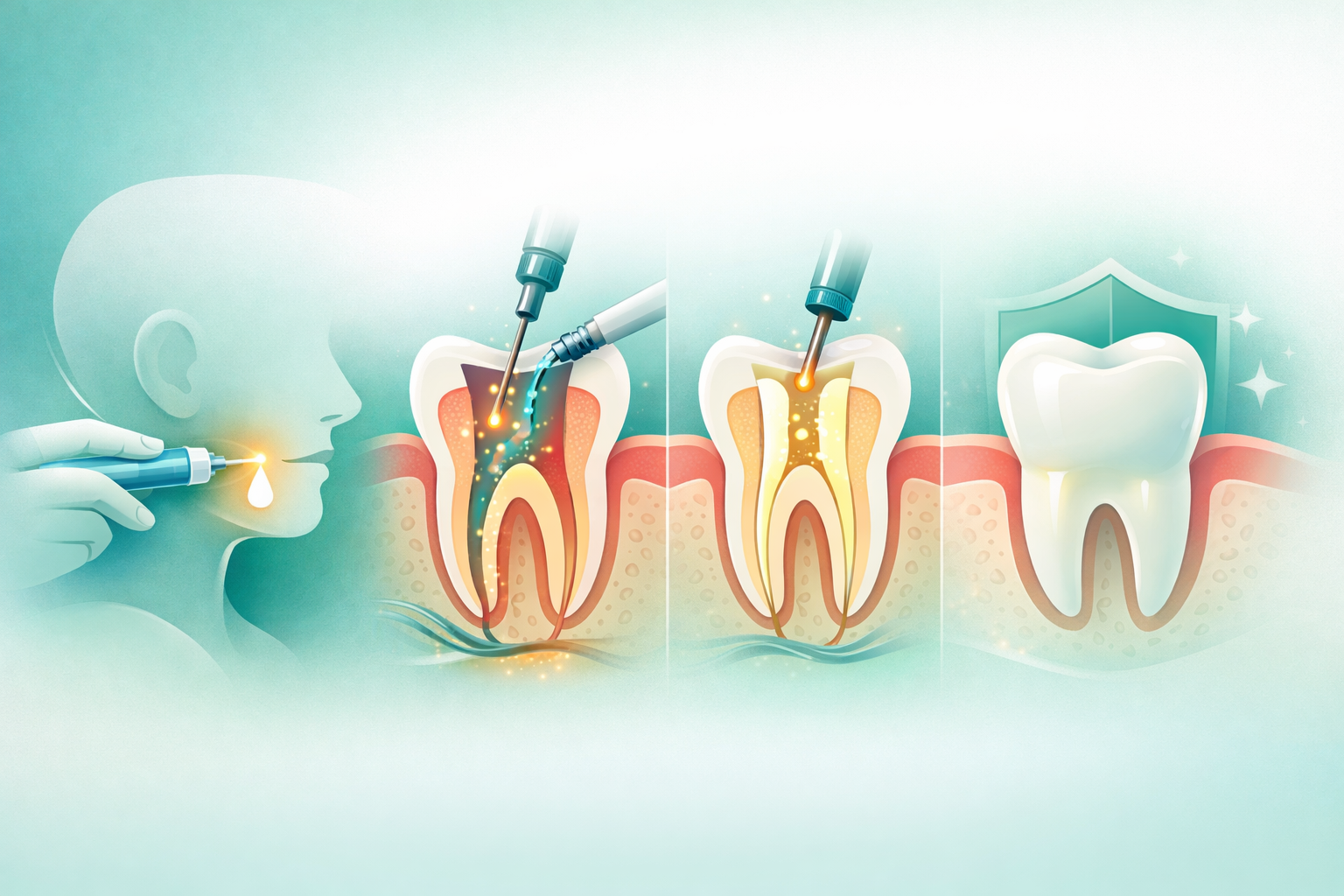
Root canals often carry a reputation for being long or painful procedures, but understanding what actually happens can ease stress and support informed dental wellness. A root canal, or endodontic treatment, is designed to save a tooth affected by deep decay or infection. While the process can vary depending on the tooth’s complexity, the patient’s anatomy, and the dentist’s approach, most treatments are manageable and completed in one or two visits. Knowing what to expect—step by step—helps you approach the procedure with calm and confidence, and supports recovery through conscious self-care practices.
Factors affecting root canal duration
Several factors influence how long a root canal takes. Front teeth typically have a single root and are faster to treat, often taking 30–60 minutes. Molars, with multiple roots and canals, may require 90 minutes or two separate appointments. Other considerations include the degree of infection, presence of previous dental work, and the dentist’s technique or use of modern tools like rotary instruments, which can streamline the process.
Understanding these variables allows patients to plan their schedule and reduce procedural anxiety. Recognizing that duration is individualized also reinforces the importance of choosing a skilled dental professional who can provide a precise, gentle approach.
What happens during a root canal
The procedure involves cleaning and disinfecting the infected root canals, shaping them, and sealing the tooth to prevent reinfection. Local anesthesia ensures the process is virtually painless, while modern dental techniques minimize discomfort and speed recovery. For patients, awareness of each step—from numbing, to cleaning, to filling—can reduce stress and support a sense of control over the experience. Integrating calming practices, such as slow breathing or mindfulness during the procedure, can enhance relaxation and make the appointment smoother.
Post-procedure recovery and care
After a root canal, mild soreness or sensitivity is common for a few days. Following dentist-recommended care, like gentle brushing, avoiding hard foods, and using anti-inflammatory measures if needed, promotes healing. A restored tooth allows patients to maintain chewing function and oral health, preventing future complications. Viewing dental care as part of overall wellness emphasizes that oral health supports systemic health, stress management, and longevity.
“A healthy mouth is a foundation for a healthy life.”
Conclusion
The time spent on a root canal varies, but understanding the process transforms uncertainty into empowerment. With modern techniques, professional care, and conscious self-care, patients can navigate the procedure calmly, preserving both tooth and well-being. Approaching dental treatments with awareness aligns with a broader perspective on holistic health: attentive care today supports vitality tomorrow.
Sogevity. The longevity experience
Live longer. Live better.