Key Takeaways
- May contribute to inflammatory balance and skin comfort
- Rich in polysaccharides and coixenolide, compounds associated with immune modulation
- Supports natural elimination processes and digestive equilibrium
- Traditionally used in Asian medicine to accompany vitality
- Experimental studies suggest activity on certain inflammatory and oxidative markers
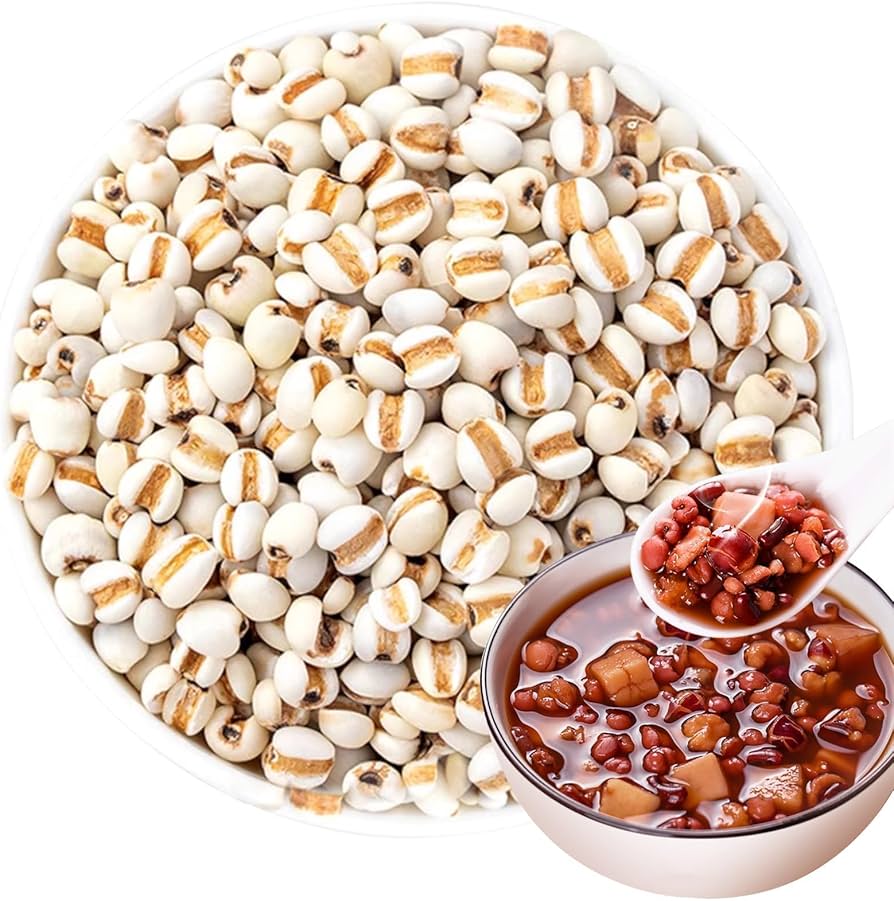
Used for centuries across Asia, Coix lacryma-jobi, known in Japan as Yokuinin and sometimes referred to as Yuen Seed, is gaining renewed scientific interest. At the intersection of functional nutrition and traditional herbal practice, this grain represents a gentle, progressive approach to cellular support.
Within a conscious longevity framework, it may participate in inflammatory balance, skin comfort, and overall vitality. Understanding its origin, mechanisms, and practical applications allows for thoughtful integration into a sustainable wellness routine—without excess or exaggerated promises.
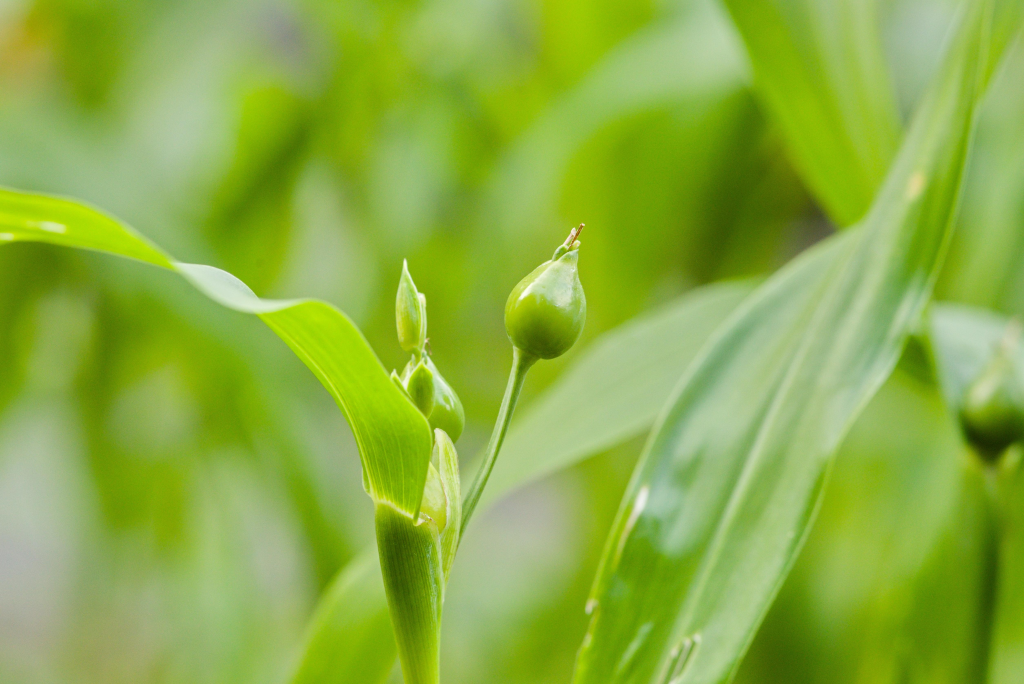
Coix lacryma-jobi is a cereal plant native to Southeast Asia. Its pearl-like seeds, commonly known as Job’s tears, are consumed as food and used in traditional herbal systems, particularly in Chinese and Japanese medicine.
Biologically, the seeds contain polysaccharides, specific lipids such as coixenolide, phytosterols, and phenolic compounds. These molecules are being studied for their interaction with signaling pathways involved in low-grade inflammation, immune response, and skin balance.
Its key distinction lies in this dual nature: both a nourishing grain and a source of bioactive compounds that may help support cellular homeostasis.
Did you know?
Standardized extracts of Coix lacryma-jobi (Yokuinin) are used in Japan to support skin balance and overall skin comfort.
How Does It Work? (Mechanisms of Action)
Primary Action
The polysaccharides found in the seed may modulate certain cytokines involved in inflammatory responses.
Coixenolide, a specific lipid compound, is also being studied for its interaction with cellular signaling pathways associated with oxidative stress.
Together, these mechanisms may contribute to maintaining a more stable cellular environment.
Effects at the Tissue Level
Skin
Traditionally used to support certain skin irregularities, its bioactive compounds may participate in inflammatory balance and support natural skin renewal processes.
Digestive System
It has long been associated with digestive comfort and gentle elimination, contributing to internal equilibrium.
Low-Grade Inflammation and Cellular Energy
Naturally occurring antioxidants may help protect cells from oxidative stress, indirectly supporting mitochondrial vitality and sustainable energy production.
What This Means for Longevity
By supporting inflammatory balance and cellular stability, Coix lacryma-jobi may help accompany the body’s natural regulatory and repair mechanisms.
In a longevity-focused approach, the goal is not intensity, but steady support of physiological functions that contribute to tissue resilience and long-term vitality.
🔎 Study Spotlight
2019 – Experimental study (in vitro and animal model)
https://pubmed.ncbi.nlm.nih.gov/31427502/
Researchers observed that Coix lacryma extract may modulate markers associated with inflammation and oxidative stress.
Benefits
Skin Balance Support
Research suggests that polysaccharides and specific lipids may help modulate inflammatory pathways involved in certain skin imbalances.
Practically, this may interest individuals seeking to support skin equilibrium as part of a broader lifestyle approach that includes nutrition and daily care.
Digestive Comfort
Traditionally used to address internal “dampness” in East Asian medicine, the grain has been associated with digestive regulation and gentle elimination.
In modern routines, it can be consumed as a cooked grain or taken as a standardized extract.
Immune Support
Polysaccharides may participate in balanced activation of certain immune cells, contributing to a more harmonious adaptive response.
Maintaining this equilibrium is a foundational element of sustainable vitality.
Natural Sources
- Whole Coix lacryma-jobi seeds
- Job’s tears flour
- Standardized extracts (Yokuinin)
- Traditional Asian herbal preparations
Dosage, Forms & Bioavailability
In traditional dietary use, the seeds are typically consumed cooked, with portions often ranging from approximately 30 to 60 g per day depending on cultural practices.
Dietary supplements generally provide standardized extracts rich in polysaccharides, with dosages varying according to concentration.
A gradual, multi-week use is often considered consistent with a balanced and progressive approach.
Potential synergies may include antioxidants, skin barrier–supportive nutrients, and compounds involved in cellular energy metabolism, within a comprehensive and personalized routine.
Safety & Precautions
As a traditionally consumed food, Coix lacryma-jobi appears to have a generally favorable tolerance profile.
However, concentrated extracts may occasionally cause mild digestive sensitivity in some individuals.
Out of precaution, use during pregnancy is generally discouraged due to limited safety data.
As with any supplement, professional guidance is recommended in cases of medical conditions, ongoing treatments, or extended use.
How to Integrate It into a Longevity Routine
When to Take It
As a food, it can be incorporated into meals.
As a supplement, morning or midday intake may align well with digestive support.
What to Combine It With
- Plant-based antioxidants
- Skin barrier–supportive nutrients
- Compounds involved in mitochondrial energy production
Simple Routine Example
Balanced breakfast + standardized Coix extract
Fiber- and polyphenol-rich meals
Consistent hydration
A simple, coherent, and sustainable approach.
Who May Find It Particularly Interesting
- Individuals seeking gentle skin balance support
- Those attentive to low-grade inflammation
- People embracing a holistic cellular longevity strategy
A Traditional Grain for Supporting Balance Over Time?
Coix lacryma-jobi reflects the meeting point between ancestral wisdom and modern research. Without overstated claims, it may contribute to supporting key mechanisms linked to inflammatory balance, cellular vitality, and skin comfort.
In a conscious longevity perspective, the aim is not intensity but consistency—nurturing the biological foundations that sustain tissue resilience and cellular equilibrium.
Integrated thoughtfully within a comprehensive lifestyle approach, this traditional grain may serve as a discreet ally in the pursuit of sustainable and harmonious health.
Sources
Chen, J. K., Shen, C. R., & Liu, C. L. (2010). N-acetylglucosamine: production and applications. Marine Drugs, 8(9), 2493–2516.
Kubomura, D., et al. (2017). Effect of N-acetylglucosamine administration on cartilage metabolism and safety in healthy subjects. Experimental and Therapeutic Medicine, 13(4), 1614–1621.
Wang, S. T., Neo, B. H., & Betts, R. J. (2021). Glycosaminoglycans: sweet as sugar targets.