Most people know that smoking, heavy drinking, and living mainly on fast food can be detrimental to health.
These are the habits that make it to doctors’ warning lists every month. But what about those things you do every single day without even thinking twice? Those seemingly innocent habits may even be doing more cumulative damage than the obvious ones.
Take the sedentary lifestyle, for example. Many people don’t live sedentary lives intentionally. It could be their jobs. Maybe they’re gamers, or coders, or long-haul drivers. But this lifestyle can open the door to a wide range of health challenges, including cardiovascular disease, which claims more than 17 million lives every year.
That’s just one everyday habit that gradually affects people’s long-term health. There are others. Read on as we discuss four everyday habits that could be causing your health problems without you realizing it.
Sitting for Prolonged Hours
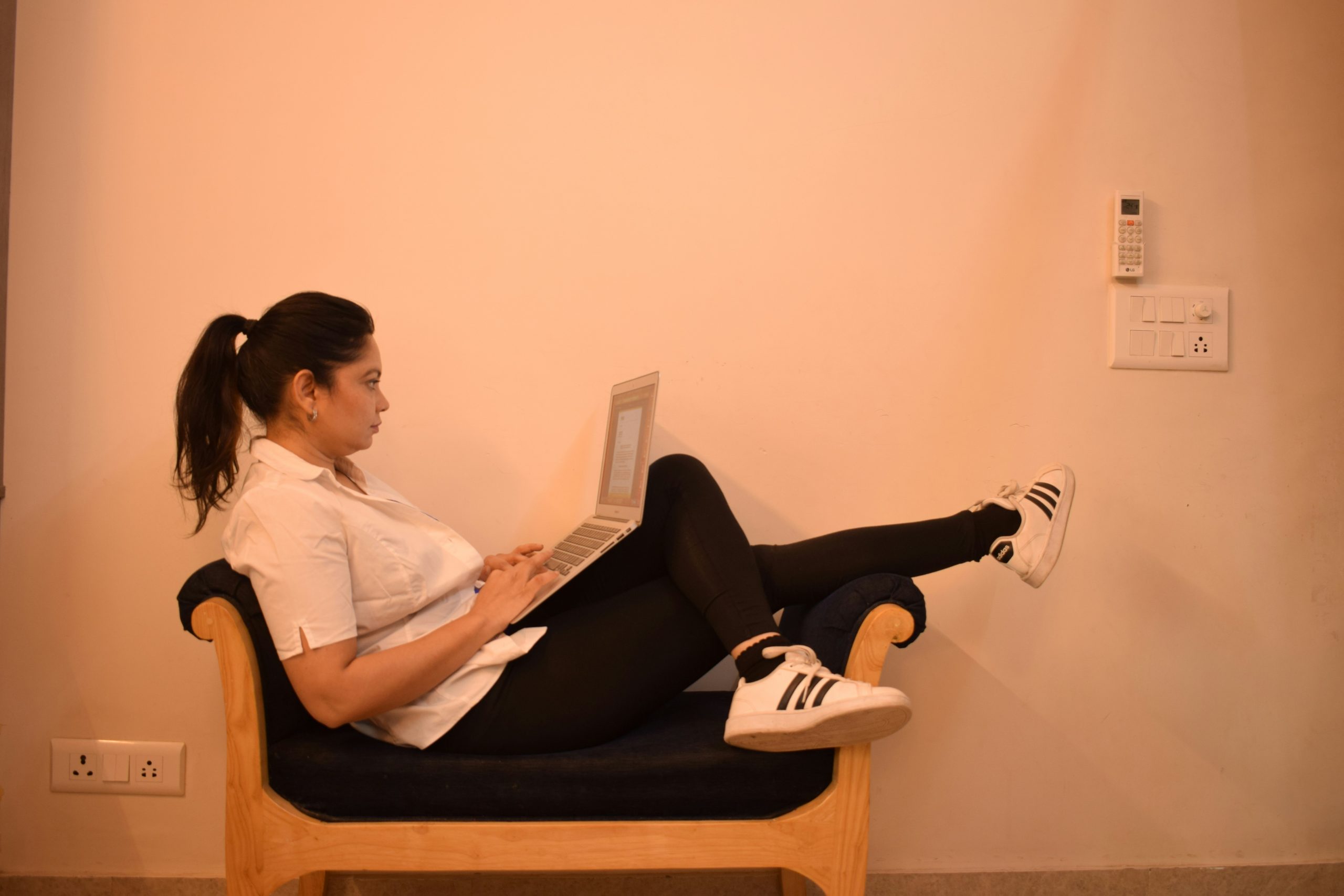
We already talked about people with sedentary lifestyles. Between desk jobs, long commutes, and nightly Netflix marathons, most of us are sitting for the better part of the day. It may not feel dangerous, but it is.
Physical inactivity is a massive issue in the country. In fact, according to a Fox News report, roughly 22% of adults in the United States report doing no physical activity outside of their regular jobs.
How does this affect health? Poor circulation and a sluggish metabolism are just the beginning. When you sit in one position for long stretches, your blood flow slows down. You may develop back and neck pain. Worse, it raises your risk for chronic health challenges like obesity, type 2 diabetes, and cardiovascular diseases.
So, what can you do? If your job demands that you sit in a spot for long periods during your shift, make small adjustments.
- Stand, stretch, and move about for a few minutes every hour
- Take short walks throughout the day
- Consider a standing desk or a walking pad if your work allows it
The goal isn’t to become an athlete overnight. It’s just to break up the sitting.
Excessive Screen Time
Another seemingly innocent habit that slowly kills is screen time.
Ask yourself, how many hours do you spend on your phone or computer every day? According to EMI Research, up to 60% of people surveyed revealed spending between 5 and 7 hours on their screens. That’s a lot of hours straining your eyes, which can cause eye strain and blinding headaches.
Equally bad is the blue light. When you scroll late at night, that light tells your brain, “Hey, it is still daytime.” Your melatonin production drops. Falling asleep becomes a battle. And of course, that means poor productivity the next day.
Limiting screen time doesn’t mean not using your phone at all. Instead:
- Follow the 20-20-20 rule
- Schedule screen-free periods
- Avoid devices an hour before bed
- Take outdoor breaks whenever possible
Your eyes and your sleep schedule will thank you.
Over-Reliance on Painkillers
Self-medication is another habit that seems okay, but it isn’t. Unfortunately, a lot of people self-medicate, especially with painkillers.
Got a headache? Grab an Ibuprofen. Sore back after a long day? Paracetamol. Using painkillers for occasional use is generally fine. The problem starts when “occasional” quietly becomes “most days.”
Over-reliance on painkillers can result in what experts call medication overuse headache (MOH), or rebound headache.
“Taking pain medicines can, paradoxically, increase the number of migraine days the patient has, called medication overuse headache. So taking fewer pain meds stops that happening.” – Peter J. Goadsby, MBBS, MD, PhD of King’s College London and Headache Specialist.
MOH affects an estimated 1 to 2% of the global population and is considered a leading cause of neurological disability worldwide.
Even though it’s easier to reach out for a painkiller when you’re in pain, talk to an expert if it happens more than twice a week.
Even nurses trained in primary and family care, especially those with advanced training through family nurse practitioner programs, can help you identify what’s really going on.
These nurses, according to Spring Arbor University, learn to treat patients of all ages through hands-on learning experiences as a Family Nurse Practitioner (FNP). This means that they know what to look for to identify the root cause of your chronic pain and help you find a safe, long-term strategy.
Insufficient Sleep
We often treat sleep like a luxury, but it isn’t. It’s an absolute necessity. Your body needs sleep after a hard day’s work. It needs sleep to repair tissue, process information, and keep your immune system strong.
When you don’t get enough rest, you’ll struggle with poor concentration and memory the next day. You’ll probably also experience poor productivity. Even worse, you’ll be opening the door to a lot of health challenges, including stress, headaches, and even obesity.
So, how much sleep do you actually need? Experts recommend at least 7 hours every night, but a CDC report found that over 30% of adults do not get the recommended number of hours per night. If you’re part of that number, you’re leaving your body wide open to getting sick.
So, how can you improve your sleep routine?
- Go to bed at the same time every day, even on weekends
- Make your bedroom cooler, darker, and quieter
- Cut off caffeine by early afternoon. It lingers in your system longer than you’d think
It’s understandable that you may have to work long hours some nights. But be intentional about sleep. It’s maintenance for your body.
FAQs
How do I know if my daily habits are affecting my health?
You can know your daily habits are affecting your health if you’re experiencing a general feeling of unease or unwell. This is a clear sign that your routine needs adjusting. But don’t guess. Get in touch with a healthcare practitioner to know what exactly is wrong.
Which habit is most harmful to overall health?
There’s no single winner. They are all harmful to your health. In fact, all the seemingly harmless habits we discussed in this guide are consistently linked to multiple health conditions, including type 2 diabetes and cardiovascular diseases.
How do I know if I have medication overuse headaches?
You may have medical overuse headaches if your headaches don’t get better despite using painkillers for more than 10 to 15 days per month. If this is happening to you, then you need to see a doctor.
Key Stats at a Glance
| Habit / Health Issue | Stat |
| Sedentary Lifestyle | Linked to 17 million deaths globally each year |
| Lack of Physical Activity | 22% of U.S. adults don’t do physical activity outside of work. |
| Excessive Screen Time | 60% of people spend up to 7 hours on screens every day |
| Medication Overuse Headache (MOH) | MOH affects up to 2% of the entire global population |
| Insufficient Sleep | 30% of adults don’t sleep up to 7 hours per night |
Changing Unhealthy Habits
When people think about unhealthy habits, they often focus on the big things. The small, repeated behaviors often fly under the radar.
Sitting too much, staring at screens all day, relying on painkillers, skimping on sleep, and even forgetting to drink enough water may seem harmless. But these seemingly harmless habits are anything but.
The good news is that these habits are actually easy to change, and you don’t have to overhaul your entire life to do so. The best way is to pick one area, make one small change, and build from there.
Your future self will thank you.
Continue exploring longevity
Explore this longevity topic