Key Takeaways
- At-home diagnostics and wearable technologies are bringing health monitoring closer to everyday life, with tools designed to track physiological signals, assess specific risks and support earlier conversations with healthcare professionals.
- Recovery is becoming a broader wellness category, extending beyond sports performance to include immersive wellness chambers, stress management and technologies designed to support relaxation.
- Functional nutrition continues to evolve, with protein shakes, creatine gummies, hydration products and supplements adapted to different preferences and lifestyles.
- Artificial intelligence is entering health assessment and behavioural wellness, although the clinical value of emerging diagnostic tools depends on appropriate validation.
- The central question is no longer simply how to collect more health data, but how to turn that information into useful decisions without creating unnecessary anxiety or encouraging unproven treatments.
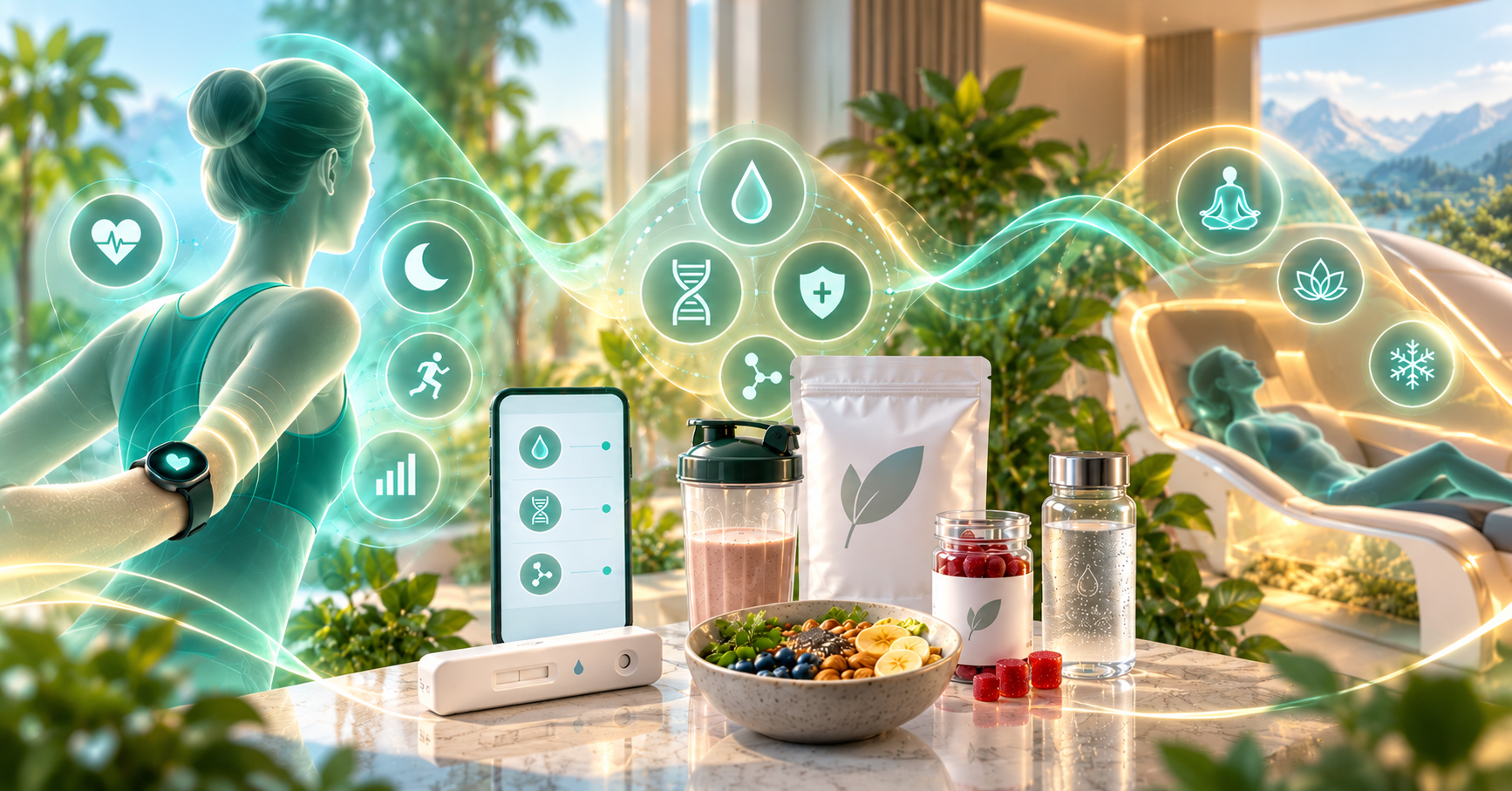
Health is becoming something people increasingly monitor between medical appointments. A smartwatch records sleep and activity, a home test can provide a biological measurement without a conventional clinic visit, and a recovery space promises a more structured way to unwind after a demanding day. At the same time, protein products, hydration supplements and other functional foods are being redesigned around specific routines and consumer needs.
This shift is visible in Trend Hunter’s Top 100 Health Trends in October, published by Adam Harrie on October 11, 2026. The report brings together emerging products and concepts spanning at-home diagnostics, wearable technology, functional nutrition and technology-assisted wellness.
Rather than pointing to a single breakthrough, the collection reveals a broader change in how health is being approached. Consumers are being offered more ways to measure, manage and personalise their routines, while businesses are looking for opportunities to connect everyday wellness with data-driven services.
Three areas stand out in particular: the move toward more accessible health monitoring, the growing attention paid to recovery, and the transformation of nutrition into a more targeted part of daily life. Their long-term significance, however, will depend on whether convenience and personalisation translate into meaningful health benefits.
Health monitoring moves closer to home
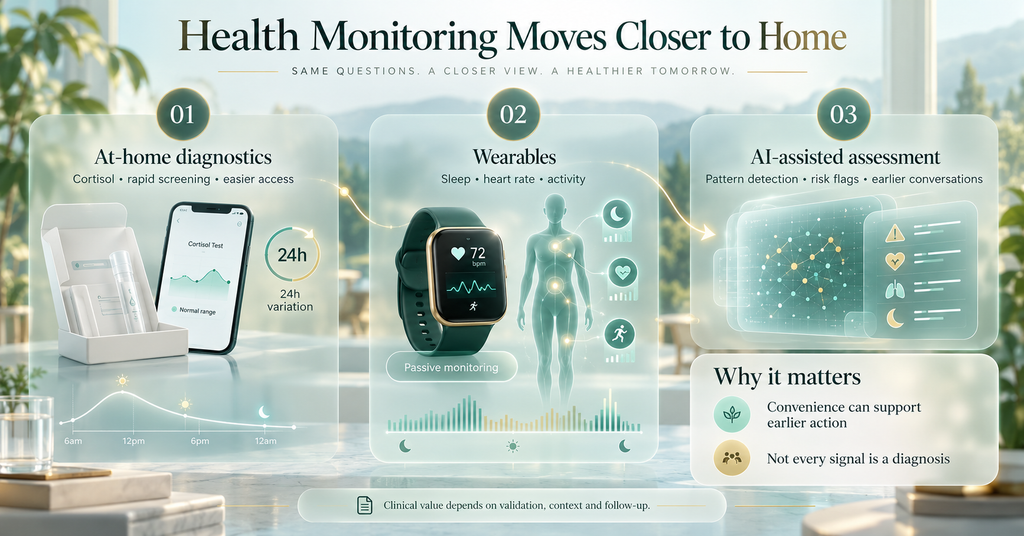
One of the clearest themes in October’s selection is the growing interest in detecting physiological changes outside traditional healthcare settings. At-home cortisol trackers, rapid concussion screening headsets and AI-powered pancreatic cancer tests illustrate different ways technology is being used to bring health assessment closer to the individual.
Cortisol is a particularly interesting example because of its role in the body’s response to stress. Produced by the adrenal glands, this hormone helps regulate metabolism, inflammation and blood pressure, among other functions. Its levels naturally fluctuate throughout the day, and measurements can be influenced by factors such as exercise, medication and the timing of sample collection.
Home collection of saliva samples is already used in certain medically supervised cortisol assessments. The potential appeal of more accessible monitoring lies in convenience: samples can be collected in familiar surroundings and, where appropriate, at different times to provide a more complete picture.
But there is an important distinction between testing cortisol for a specific clinical reason and using it as a general stress score. A single measurement cannot reliably explain why someone feels tired, anxious or overwhelmed. Abnormal results may require further testing and professional interpretation.
The same caution applies to AI-assisted cancer diagnostics. Tools designed to identify signs of pancreatic cancer could eventually contribute to earlier detection, particularly if they prove accurate in the populations for which they are intended. Yet a product appearing in a trend report does not establish that it is approved, widely available or suitable for screening healthy people. Pancreatic cancer detection is a complex clinical challenge, and any new test must demonstrate that it can identify disease reliably while limiting false-positive results.
Rapid concussion screening offers another illustration of the potential value of accessible assessment. A headset-based system could help make initial evaluation more efficient in settings such as sports facilities or urgent care. It would still need to be evaluated against established clinical assessments, and a screening tool should not be confused with a complete diagnosis.
The wider opportunity is clear: when appropriate tests become easier to access, people may be able to seek medical advice sooner. The challenge is ensuring that convenience does not come at the expense of accuracy or appropriate follow-up.
Wearables are evolving from fitness accessories into health companions
Wearable health devices have become familiar tools for recording steps, heart rate, sleep and physical activity. October’s selection suggests that the category is continuing to expand, with technologies designed to capture more specific signals and support different aspects of wellbeing.
The appeal is partly practical. Instead of relying entirely on memory or occasional measurements, users can observe patterns over time. Someone who tracks sleep alongside exercise and resting heart rate, for example, may notice that a demanding training schedule coincides with poorer recovery. A wearable can make those patterns easier to see, even if it cannot explain every underlying cause.
The next generation of devices is also exploring more specialised functions. Bilateral vagus nerve wearables, included in Trend Hunter’s selection, reflect growing commercial interest in technologies intended to influence the body’s autonomic nervous system. The vagus nerve is involved in regulating functions such as heart rate and digestion, making it a subject of interest in research on stress regulation and other health conditions.
However, the physiological rationale behind a technology does not automatically establish the effectiveness of a particular consumer product. Devices differ in their mechanisms, stimulation methods and evidence base. Claims that a wearable can regulate stress, improve recovery or treat a medical condition need to be assessed individually.
Key Concept: Passive health monitoring
Passive health monitoring refers to the collection of physiological or behavioural data during everyday activities, often without requiring the user to perform a separate test. Wearables can record information such as movement, heart rate and sleep patterns, helping users and healthcare professionals identify trends over time.
The value of these measurements depends on their accuracy and interpretation. The US Food and Drug Administration has warned consumers against relying on unauthorised smartwatches or smart rings that claim to measure blood glucose or blood pressure independently. Such warnings underline an important principle: a device that looks medical is not necessarily validated for medical decision-making.
For longevity and preventive health, the most useful wearables may ultimately be those that support consistent habits and help identify when a conversation with a healthcare professional is warranted. More data is not automatically better data, and constant monitoring can become counterproductive if every fluctuation is interpreted as a warning sign.
Recovery becomes a wellness experience
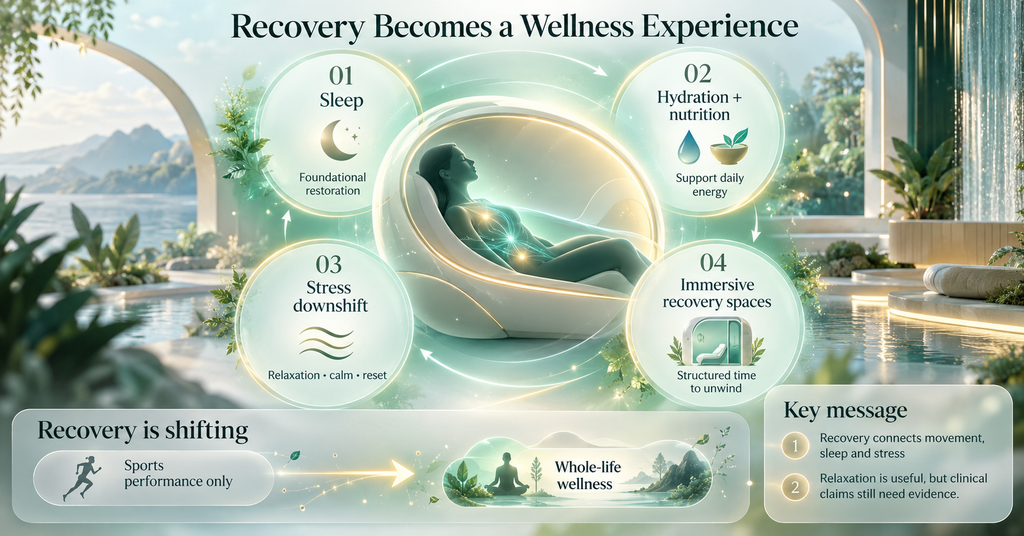
Recovery is another prominent theme in the October selection, particularly through immersive wellness zones and wellness chambers. These concepts point toward a market that increasingly treats recovery as an experience in its own right rather than simply the time between workouts.
For athletes, recovery has traditionally centred on sleep, adequate nutrition, hydration and appropriate rest between training sessions. The same foundations matter for people who are not pursuing athletic performance but want to manage fatigue and maintain their capacity for everyday activities.
New wellness environments seek to build on that interest by offering dedicated spaces for relaxation and structured recovery routines. Depending on the concept, these experiences may combine sensory environments, guided relaxation or specialised equipment in a setting designed to encourage people to slow down.
Their appeal is easy to understand. Modern routines often leave little room for deliberate rest, and a dedicated environment can make recovery feel more intentional. Wellness spaces may also create opportunities for people to disconnect from work and screens, although the benefits depend on what the experience actually involves.
The distinction between a calming experience and a clinically effective intervention remains important. Evidence supporting basic recovery practices such as adequate sleep and appropriately managed exercise is not interchangeable with evidence for every chamber, device or treatment marketed under the wellness label.
The same scrutiny should apply to more specialised recovery technologies. Before investing in an expensive treatment, consumers should look for evidence relevant to the specific device and claimed outcome rather than relying on broad promises of cellular repair, accelerated healing or rejuvenation.
For the longevity sector, the broader trend is nevertheless significant. Recovery is increasingly being framed as an ongoing part of health maintenance, connecting physical activity with stress management, sleep and sustainable daily routines.
Nutrition becomes more targeted and convenient
Functional nutrition remains a major part of the October health landscape. Trend Hunter highlights multi-benefit protein shakes, nostalgic protein milkshakes, high-protein snack bars, women-focused protein powders and creatine gummies. These products differ in format, but they share a commercial idea: making specific nutritional goals easier to integrate into daily life.
Protein illustrates this shift particularly well. It is essential for maintaining and repairing tissues, and adequate intake becomes especially relevant when people are trying to preserve muscle through exercise or ageing. Yet obtaining enough protein does not necessarily require a specialised product. Foods such as eggs, fish, dairy products, legumes, nuts and other protein-rich ingredients can all contribute to a balanced diet.
The opportunity for manufacturers lies in convenience and variety. Ready-to-drink shakes can suit people with limited time, while snack bars offer a portable option between meals. Products designed around different flavours, dietary preferences or portion sizes may also help consumers find options that fit their routines.
The return of nostalgic milkshake formats is an interesting example of how functional nutrition is borrowing from familiar food experiences. Rather than presenting protein exclusively as a sports supplement, brands can position it as part of an everyday snack or breakfast. This may make products more approachable, although the nutritional profile still matters more than the flavour concept.
Creatine gummies represent a similar effort to change how supplements are delivered. Creatine is one of the more extensively studied sports supplements, particularly in relation to high-intensity exercise and strength training. Gummies may offer an alternative to powders, but the actual creatine content, serving size, ingredient quality and independent testing remain relevant when evaluating a product.
Women-focused protein powders also reflect growing interest in nutrition tailored to different consumer groups. Such products may address preferences around taste, formulation or convenience, but women do not automatically require a separate protein supplement simply because it is marketed specifically to them. Nutritional needs depend on factors including body size, activity, life stage and overall diet.
The same reasoning applies to hydration gummies and other portable electrolyte products. They may be convenient in particular circumstances, especially during prolonged exercise or substantial fluid losses, but most people do not need specialised electrolyte supplements for every ordinary day. Water and a balanced diet are sufficient for many everyday situations.
The underlying trend is therefore less about the emergence of a new nutritional principle than the redesign of familiar products. Protein, hydration and supplementation are being packaged in ways intended to make routines easier to follow. Their value ultimately depends on nutritional quality, individual needs and how they fit into the wider diet.
AI enters behavioural health and personal wellness
Artificial intelligence is also appearing in services designed to support mental and behavioural health. Trend Hunter’s selection includes AI behavioural health platforms, reflecting interest in digital tools that can make certain forms of support more accessible or easier to integrate into daily routines.
Such platforms may help users record moods, organise information, practise structured exercises or access conversational support. For some people, digital services can provide a convenient first step toward understanding their own patterns and seeking additional help.
However, mental health is more complex than a set of data points or behavioural prompts. An AI system may generate responses that sound convincing without fully understanding a person’s circumstances. Privacy, data security, clinical oversight and clear limits on what a service can safely provide are therefore central considerations.
These issues become particularly important when a platform is marketed as a substitute for professional care. A wellness application can support reflection or routine-building, but that does not establish that it can diagnose or treat a mental health condition.
For longevity, the interest in behavioural health reflects a broader understanding of wellbeing. Maintaining health over time involves more than physical biomarkers: sleep, stress, social relationships and psychological wellbeing also influence how people experience everyday life. Digital tools may support some of these areas, provided that their capabilities are presented realistically.
Personalisation is the common thread
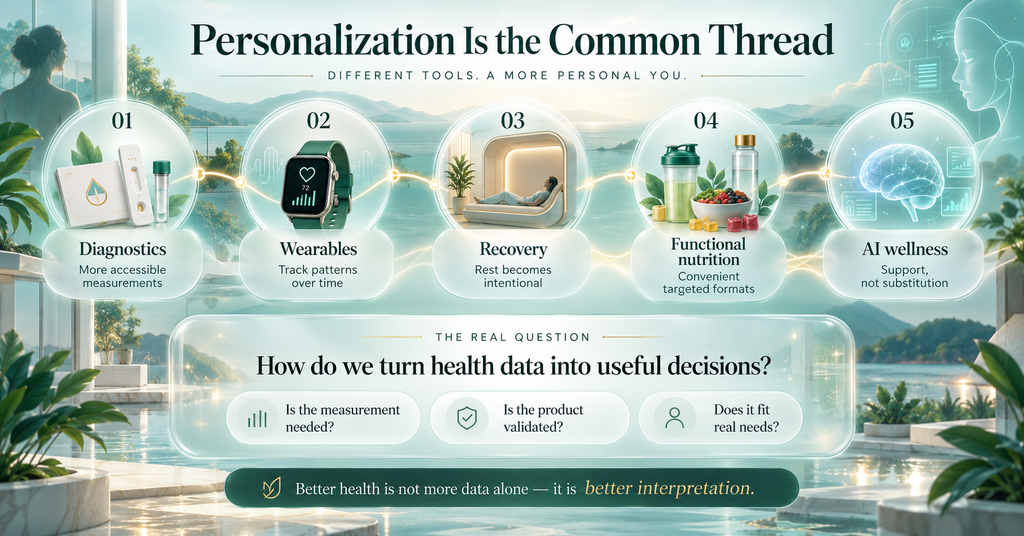
At first glance, home diagnostics, smart wearables, protein snacks and immersive wellness chambers may appear to belong to separate markets. Their connection becomes clearer when viewed through the growing demand for personalised health experiences.
Consumers increasingly encounter products that promise to adapt to their routines, provide more specific information or simplify a particular task. A wearable turns daily activity into a record; a home test makes certain measurements more convenient; a tailored nutritional product offers a ready-made format for a specific goal.
This model has commercial appeal because it creates opportunities for recurring services, subscriptions and connected product ecosystems. It also reflects a shift in consumer expectations: people increasingly want health-related products to fit into their lives rather than require them to reorganise their routines around a single service.
But personalisation can be overstated. A product does not become clinically personalised simply because it collects data or uses an algorithm. Meaningful personalisation requires relevant information, appropriate interpretation and evidence that the resulting recommendations improve outcomes for the individual.
There is also a risk that the growing number of health products could encourage unnecessary testing, supplement use or constant self-monitoring. More measurements can create more uncertainty when results are difficult to interpret or have little clinical significance.
A more useful approach is to begin with a clear question. Is a measurement needed to investigate a symptom? Does a wearable help support a sustainable activity routine? Does a supplement address a genuine nutritional need? These questions help distinguish useful innovation from products that simply add another layer of complexity to daily life.
What these trends mean for longevity?
October’s health trends illustrate how the boundaries between healthcare, wellness and consumer technology are becoming less distinct. Some innovations are designed to support earlier detection or more convenient monitoring, while others focus on nutrition, relaxation and the everyday behaviours associated with long-term health.
The distinction between these categories remains essential. A validated diagnostic test can contribute to medical decision-making, whereas a wellness wearable may be better suited to tracking general patterns. A protein shake can help meet nutritional needs, but it is not inherently more effective than an appropriate meal. An immersive recovery environment may offer relaxation without necessarily delivering a measurable clinical benefit.
For the longevity field, the opportunity lies in combining convenience with credible evidence. Technologies that help people recognise meaningful changes, access appropriate care and maintain sustainable habits could contribute to healthier ageing. Products built primarily around exaggerated claims may do little beyond adding cost and confusion.
The most promising direction is not necessarily a future in which every person continuously measures every aspect of their body. It may instead be a more thoughtful model of preventive health, in which the right information is collected at the right time and used to support decisions that genuinely matter.
Discover how October’s emerging health trends are reshaping the relationship between diagnostics, daily wellness and healthy longevity.
Level of evidence
Trend analysis combined with established health guidance. The product and concept examples in this article come primarily from Trend Hunter’s October 2026 health trends report. The report identifies emerging market activity and consumer-facing concepts; it is not a clinical review and does not independently establish the safety or effectiveness of every product featured. Additional context on cortisol testing and wearable-device limitations is drawn from the US National Library of Medicine’s MedlinePlus resource and FDA safety communications. Claims concerning individual products should be assessed against their own clinical evidence and regulatory status.
FAQ
What are the main health trends in October 2026?
Trend Hunter’s selection highlights at-home diagnostics, wearable health devices, functional nutrition, recovery-focused wellness experiences and AI-supported behavioural health. Together, these trends reflect growing interest in making health monitoring and everyday wellness more convenient and personalised.
Can at-home cortisol trackers measure stress accurately?
Cortisol tests can measure the hormone in blood, saliva or urine, and some medically indicated saliva samples can be collected at home. However, cortisol varies naturally throughout the day and is affected by several factors. A single result cannot provide a complete assessment of stress or explain every symptom.
Are wearable health devices reliable?
Reliability depends on the device and the measurement. Some wearable functions can be useful for tracking activity or observing trends, but not every device is validated for medical use. Consumers should check whether a product has been appropriately evaluated before relying on it for clinical decisions.
Do protein shakes and creatine gummies improve longevity?
These products may help meet particular nutritional or exercise-related needs, but their presence in a trend report does not establish a longevity benefit. Long-term health depends on a broader combination of dietary quality, physical activity, sleep, preventive care and other factors. Supplements should be considered in the context of individual needs.
Are immersive wellness chambers scientifically proven to accelerate recovery?
The answer depends on the specific technology and the outcome being claimed. A relaxing environment may support a person’s wellness routine, but claims about faster tissue repair, cellular rejuvenation or improved medical outcomes require separate evidence.
How is AI being used in behavioural health?
AI-supported platforms may provide tools for mood tracking, structured exercises and general wellbeing support. Their safety and usefulness depend on the quality of the service, privacy protections and the limits of its capabilities. They should not automatically be treated as substitutes for qualified mental health professionals.
Methodology
This article uses Trend Hunter’s Top 100 Health Trends in October, published on October 11, 2026, as its primary source for emerging products and concepts. Rather than reproducing the full ranking, it groups selected examples into broader themes: diagnostics, wearables, recovery, functional nutrition and AI-supported wellness. Additional context was drawn from MedlinePlus guidance on cortisol testing and FDA safety communications concerning unauthorised wearable devices. The analysis distinguishes market trends from established medical evidence and does not assume that every featured product is clinically validated.
Disclaimer
This article is for informational purposes only and does not constitute medical advice. The inclusion of a product or technology does not imply endorsement or establish its effectiveness. Consult a qualified healthcare professional before using diagnostic tools to investigate symptoms, changing prescribed treatment or starting supplements when medical conditions or medication interactions may be relevant.
Sources
- Trend Hunter. “Top 100 Health Trends in October: From Recovery Chambers to Hydration Gummies.” October 11, 2026.
- MedlinePlus. “Cortisol Test.” US National Library of Medicine.
- US Food and Drug Administration. “Do Not Use Unauthorized Devices for Measuring Blood Pressure.”
- US Food and Drug Administration. “Do Not Use Smartwatches or Smart Rings to Measure Blood Glucose Levels.”
Continue exploring longevity
Explore this longevity topic