
Japan has not discovered longevity. It has practiced it for generations. What is changing now is the clinical infrastructure built around it, and the regulatory framework that makes Japan one of the most credible destinations in the world for serious preventive medicine.
The country holds a singular advantage that few competitors can claim: a national legal framework governing regenerative medicine, the Act on the Safety of Regenerative Medicine, enacted in 2014 and continuously strengthened since. Every clinic offering cellular or regenerative therapies must hold a Ministry of Health, Labour and Welfare licence, submit to safety audits, and maintain traceability records. In a global longevity market crowded with unverifiable claims, that accountability structure matters.
Japan also brings something less quantifiable: a cultural philosophy of ikigai, purposeful living, and the lived proof that it works. Okinawa remains one of the world’s five Blue Zones. The country has more centenarians per capita than almost anywhere on earth. The clinics listed here do not traffic in that legacy as marketing copy. They translate it into measurable protocols.
This guide covers the Tokyo addresses that deserve attention for their medical credentials, scientific depth, and capacity to stand up to scrutiny. It is not a ranking of luxury or novelty. It is an editorial map for patients who are serious about healthspan.
1. Tokyo Relife Clinic: The scientific reference
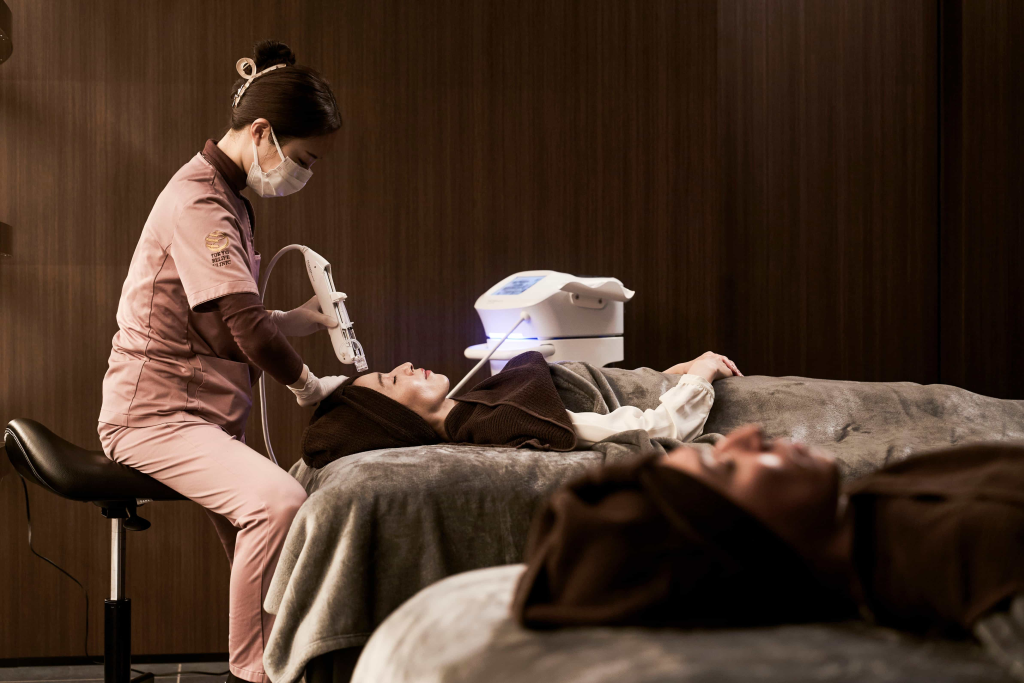
Best for: Patients seeking a rigorous biological age assessment grounded in academic medicine, with full regulatory compliance and multi-system diagnostic depth.
Tokyo Relife Clinic is the clearest starting point on this list for a simple reason: it combines genuine academic pedigree with operational compliance under Japan’s regenerative medicine law. The clinic is directed by a physician with ties to Japan’s university medical ecosystem and operates with the strict safety controls, traceability requirements, and quality standards mandated by national regulation, a combination that is more difficult to find in practice than it should be.
What distinguishes Relife clinically is the diagnostic breadth. Beyond the standard blood panels that populate most check-up menus, the clinic offers DNA analysis, telomere length testing, glycation markers, and oxidative stress profiling, a multi-layer biological age assessment that goes well beyond chronological metrics. The clinical philosophy is straightforward: measure the actual pace of aging across several biological systems, then intervene with precision.
The regulatory posture is worth flagging explicitly. Operating under the Japanese regenerative medicine act means that any cellular or regenerative component of the protocol is licensed, audited, and traceable. For international patients accustomed to navigating unregulated wellness markets, that legal baseline is a material differentiator.
Languages: Japanese, English (confirm availability at booking). Website: longevity.technology (directory listing), contact clinic directly for appointments.
2. Tokyo Himawari Clinic: The regulatory gold standard
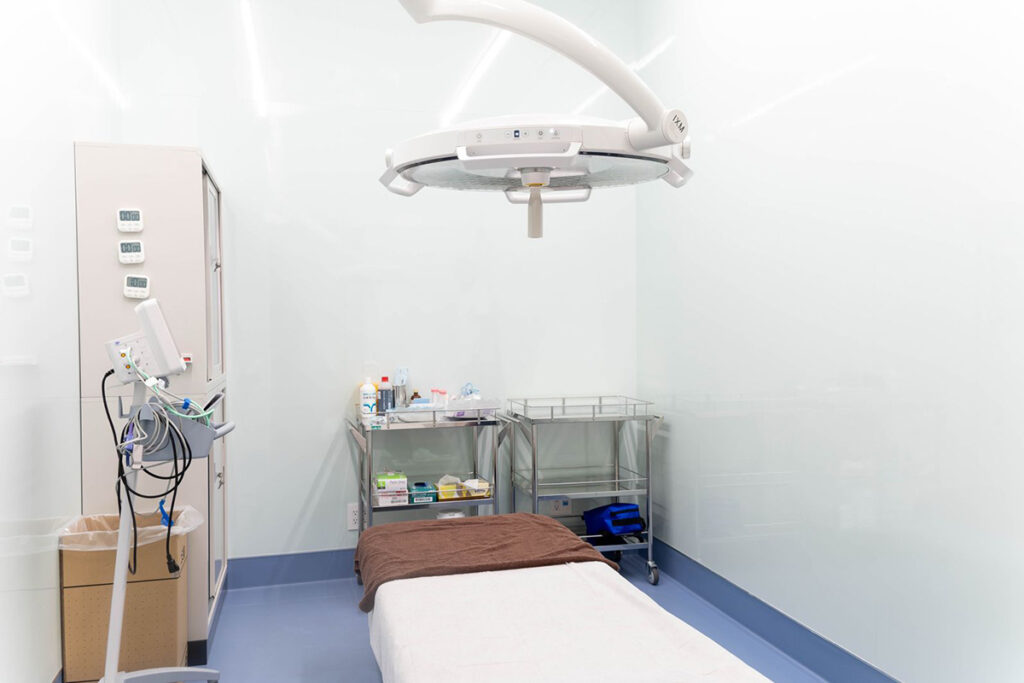
Best for: Patients who want the highest level of verified compliance in regenerative longevity medicine, and the documentation to prove it.
If the measure of a longevity clinic’s seriousness is the number of regulatory certificates it holds, Tokyo Himawari Clinic, directed by Dr Ryuta Ono, is in a category of its own. The clinic holds regenerative medicine supply plan numbers of both Class 2 and Class 3 approved by the Ministry of Health, Labour and Welfare, approximately eleven certificates at a time when most clinics in Japan hold only one.
That credential gap is not cosmetic. Each additional classification reflects a distinct cellular therapy category, a distinct safety submission, and a distinct approval process. The aggregate represents a depth of regulatory investment that most practices, even serious ones, have not undertaken.
For international patients evaluating regenerative medicine options across multiple destinations, Switzerland, the UAE, Singapore, Himawari offers something rare: verified, government-audited proof of compliance, not self-reported claims of scientific rigor.
The clinical offer spans cellular therapies, preventive diagnostics, and aging biomarker assessment. The regulatory scaffolding around those services is, by any objective standard, the most robust available in private longevity medicine in Tokyo.
Languages: Japanese primarily; interpreter services available. Website: goconnect.co.jp (listings), contact clinic directly.
3. The Prevention Clinic Tokyo — Aging Code Program: The imaging powerhouse
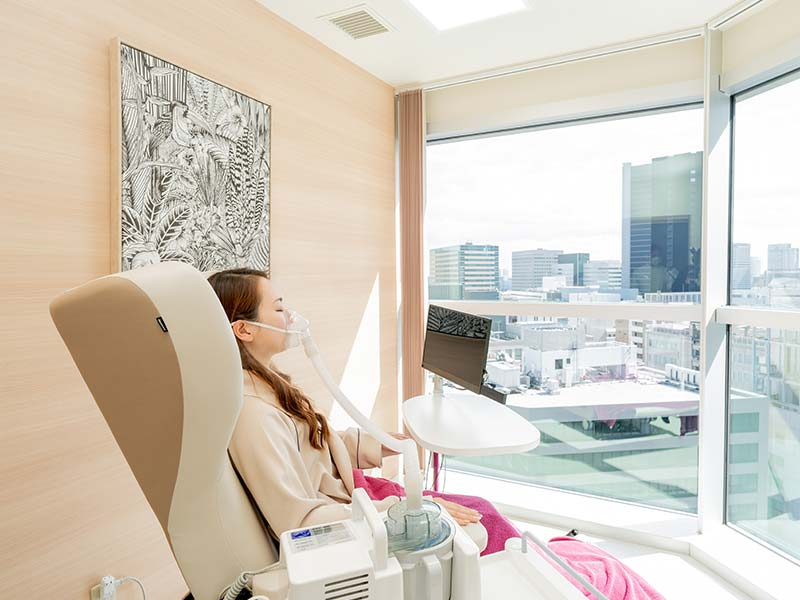
Best for: Executives and high-net-worth individuals seeking a genuinely comprehensive next-generation check-up integrating advanced imaging, genomics, and licensed regenerative protocols.
The Prevention Clinic Tokyo’s Aging Code Program represents what a full-spectrum longevity assessment looks like when budget and ambition are both removed as constraints. The protocol integrates advanced CT imaging, MRI, endoscopy, and ultrasound alongside biological age markers, health technology assessments, and what the clinic describes as bio/health tech, a category that covers NMN supplementation, blood purification, and stem cell therapy, all operating under a Ministry of Health licence.
The programme is explicitly positioned as a next-generation check-up, not a standard wellness screen. The imaging component alone places it well above most competitors: full-body MRI combined with CT screening catches structural pathology that biomarker panels miss entirely. The regenerative add-ons, operating under a licensed framework, offer options for patients whose clinical picture warrants them.
What makes the Aging Code Program editorially credible is the integration. Many clinics offer imaging and others offer regenerative medicine, but the combination, under medical direction, with regulatory accountability, and within a single coherent protocol, is unusual. For patients visiting Tokyo specifically to assess their healthspan comprehensively, this programme offers arguably the most complete single-visit diagnostic available in the city.
Website: preventionclinic.jp
4. Tokyo Ginza Wellness & Aging Clinic: Preventive medicine in practice
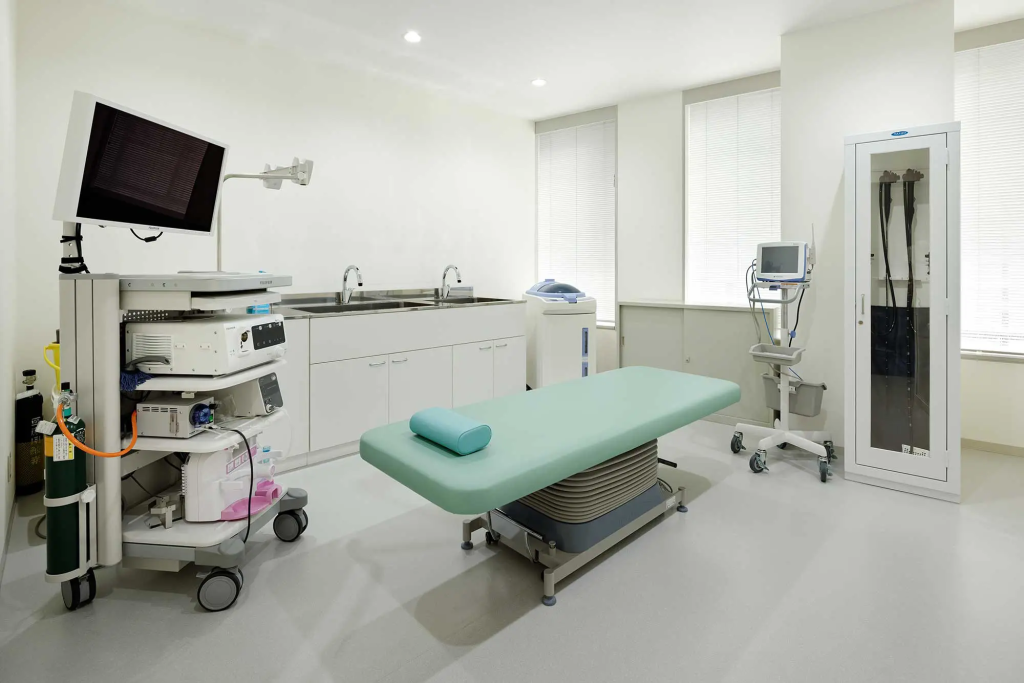
Best for: Patients seeking a clinically grounded preventive and aging care consultation in central Tokyo, with cancer risk screening integrated into a longevity framework.
The Ginza Wellness & Aging Clinic occupies a distinct position in Tokyo’s longevity landscape: it is built around the principle that prevention and aging care are inseparable disciplines, not parallel tracks. The clinic integrates cancer risk evaluation and early detection screening into a broader healthspan protocol, a combination that reflects the scientific reality that cancer prevention is one of the highest-leverage interventions available in preventive medicine.
The clinical positioning is deliberate. Rather than separating aging optimization from disease prevention, the Ginza clinic treats them as aspects of the same question: how do you extend the period of healthy, high-functioning life? That framing, longevity as the absence of premature disease, not merely the presence of optimized biomarkers, resonates with an editorially rigorous definition of what this medicine should accomplish.
For patients in Tokyo who want a medically supervised entry into longevity practice that integrates realistic risk management alongside optimization, the Ginza clinic is a credible and accessible starting point.
Website: tgwaclinic.com
How to choose? A quick decision framework
| Clinic | Category | Best for | Medical Lead | Regulatory Licence |
| Tokyo Relife Clinic | Biological age assessment | Multi-system diagnostics, academic rigour | Yes | Yes (MHLW regenerative) |
| Tokyo Himawari Clinic | Regenerative medicine | Maximum regulatory verification | Yes (Dr Ryuta Ono) | Yes (11 MHLW certificates) |
| Prevention Clinic Tokyo | Comprehensive check-up | Full imaging + licensed regenerative | Yes | Yes (MHLW regenerative) |
| Tokyo Ginza Wellness | Preventive & aging care | Cancer screening + longevity integration | Yes | Standard medical |
In short:
If you want the most academically grounded biological age assessment with regulatory compliance: Tokyo Relife Clinic.
If regulatory verification of regenerative medicine is your non-negotiable: Tokyo Himawari Clinic.
If you want the most comprehensive single-visit protocol combining imaging, genomics, and licensed regenerative options: The Prevention Clinic Tokyo — Aging Code Program.
If you want preventive medicine with integrated cancer risk screening in central Tokyo: Tokyo Ginza Wellness & Aging Clinic.
The bigger picture: Why Japan’s regulatory framework changes the equation
The global longevity market has a quality control problem. From Beverly Hills to Dubai, clinics offer regenerative and cellular therapies with credentials that range from rigorous to nonexistent, and patients rarely have the tools to distinguish between them. Japan has, more than any other country, tried to solve that problem at the legislative level.
The Act on the Safety of Regenerative Medicine creates a legally enforced chain of accountability, from the Ministry approval through the clinical protocol to the patient outcome. No equivalent framework exists in most other longevity destinations. Switzerland regulates with care, Singapore is developing its approach, and the UAE is making real strides. But Japan’s regulatory infrastructure for this category of medicine is, today, the most developed in the world.
For patients who are serious about distinguishing clinically anchored longevity medicine from premium wellness, that regulatory context is not a footnote. It is the most important thing to understand about the Tokyo market.
Sogevity is an independent media brand. None of the clinics listed in this article paid to be featured. Inclusion is based on editorial criteria: medical credentials of the founders, scientific rigour of the protocols, and institutional or regulatory standing.
Continue exploring longevity
Explore this longevity topic