Around the world, mental health challenges affect over a billion people, and these mental health problems are steadily rising. The US faces a similar crisis, with millions of adults and youth reporting escalating rates of mental illness.
According to the National Alliance on Mental Illness, in 2024, mental illness affected 61.5 million US adults. This means more than one in five people experienced these conditions. Additionally, 5.6% of adults endured serious mental illnesses.
Marginalized communities often experience the poorest mental health outcomes. They face systemic barriers, such as social stigma, isolation, and limited access to care, that continuously undermine their everyday well-being.
A KFF report notes that people of color face extra hurdles in finding culturally matched therapists. Among mental health seekers, Asian (55%) and Black (46%) adults struggle more than White adults (38%) in finding culturally understanding providers.
Among those needing but not seeking care, Hispanic adults face distinct knowledge and emotional barriers compared to White adults. Specifically, Hispanic adults more often do not know how to find care or feel too embarrassed to try.
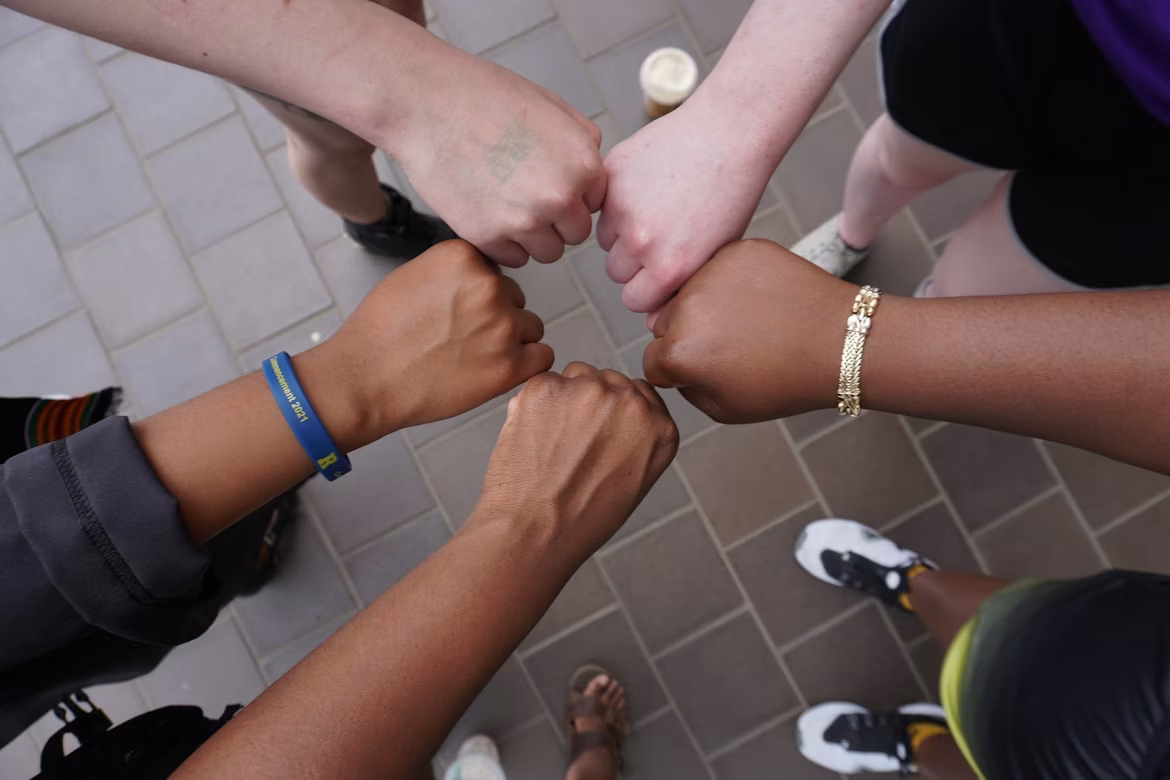
Communities play a powerful role in shaping how safe and understood marginalized people feel within their environments. When communities actively respond, they help reduce stigma and create spaces where people feel heard and supported.
This article explores a few practical ways communities can support mental well-being for marginalized groups in meaningful and lasting ways.
Building Safe Community Spaces
Safe community spaces give marginalized groups a place where they can express themselves freely. These spaces can be physical locations like centers or informal online groups that encourage open conversation.
People feel less judged when they know others share similar experiences and understand their struggles better. Community leaders can help by maintaining inclusive rules that ensure respect and dignity for everyone involved. Such environments reduce isolation and give people confidence to seek help without fear of judgment.
Regular events and peer gatherings strengthen bonds and encourage ongoing emotional support within neighborhoods over time. Ultimately, safe spaces allow communities to grow stronger while supporting mental well-being for vulnerable people.
Strengthening Support Through Social Work
Employing trained social workers can significantly strengthen how communities respond to mental health challenges. These professionals understand both individual needs and broader community dynamics that affect wellbeing on a deeper level daily in practice. Social workers also bridge gaps between institutions and residents, ensuring support reaches those who need it most effectively in communities today.
Organizations recognize the importance of formal training when working with vulnerable populations in communities today globally. Many professionals today enroll in an online Master of Social Work (MSW) program. These online MSW programs offer flexibility, meaning people can pursue their studies without having to sacrifice existing commitments, including jobs and family responsibilities.
As St. Bonaventure University notes, students pursuing these online programs also receive clinical placement support and training. Hence, they get on-field experience, enabling them to better cater to the communities they serve. These MSW degrees and programs are helping future practitioners gain practical skills that improve real-world community mental health support systems.
Encouraging Open Conversations About Mental Health
Open conversations about mental health help break the stigma that often surrounds emotional struggles in communities today. When people talk openly, they realize they are not alone in what they are experiencing on a daily basis.
Communities can normalize these discussions by creating safe platforms where honesty is welcomed and respected without fear of judgment ever. Local schools and workplaces can encourage regular mental health talks to support awareness and inclusion, which is widely accepted.
These conversations help reduce discrimination and encourage people to seek help early when needed, in their own time, comfortably too. Trust builds when communication becomes normal within everyday settings naturally. This approach empowers communities to support mental health collectively better.
Improving Access to Mental Health Resources
Access to mental health resources is essential for marginalized communities. Without proper access, many individuals struggle silently and cannot receive the help they urgently need right now.
Niall Breslin, a PhD candidate in mental health interventions, notes that strong communities and mental health are deeply connected. Supportive groups foster belonging and reduce isolation. These vital social ties build lasting mental well-being.
Communities can partner with clinics and organizations to make support more visible and easier to reach for everyone involved locally. Mobile health units and community hotlines also play a big role in expanding access across neighborhoods quickly.
Technology has also made it easier for people to find counseling services from their homes without traveling far away often. Awareness campaigns help people understand what resources are available nearby in real time. Better access ensures no one is left without support when needed most.
Promoting Cultural Sensitivity and Inclusion
Cultural sensitivity is important when supporting the mental well-being of diverse communities. People feel safer when their culture, language, and beliefs are respected without judgment in everyday interactions locally, too.
Communities should train leaders to understand different traditions and respond with empathy and care in all community settings consistently, daily. Inclusive practices ensure that no group feels ignored or excluded from community support systems at any time. Local events that celebrate diversity help build a stronger understanding among different populations living together in shared community spaces.
When people respect differences, communities become more united and supportive of overall growth. Inclusion builds trust and strengthens emotional well-being across all groups consistently.
Creating Employment and Economic Opportunities
Economic stability is closely linked to mental well-being in marginalized communities. Unemployment and financial stress often increase anxiety and reduce overall emotional health significantly across vulnerable populations locally, too.
Research published by the National Institutes of Health shows a strong link between unemployment and mental disorders like anxiety, depression, and bipolar disorder. Specific demographics face higher rates of drug use due to joblessness. Additionally, these same vulnerable groups frequently experience increased rates of eating disorders.
Communities can support job training programs that help individuals gain skills and confidence for better employment opportunities, and overall growth locally. Small businesses and local initiatives can create opportunities that improve financial independence within the community effectively today.
Stable employment gives people dignity and reduces long-term psychological pressure in daily life for improved mental wellbeing overall consistently. Financial empowerment programs help communities reduce dependence and stress levels over time. Better economic opportunities create lasting improvements in mental health stability for everyone involved.
FAQs
How does marginalization affect mental health?
Marginalization can harm mental health by increasing stress, discrimination, and feelings of social exclusion over time. Limited access to resources and repeated negative experiences may contribute to anxiety, depression, or reduced self-esteem. These challenges often make it harder for individuals to seek support or maintain emotional well-being consistently.
How does mental health awareness affect marginalized communities?
Mental health awareness helps marginalized communities by reducing stigma and encouraging open conversations about emotional well-being. It promotes understanding, early intervention, and greater acceptance of mental health challenges within society. Increased awareness also supports better access to services and encourages communities to prioritize psychological health equally.
What are some barriers to mental health care in marginalized communities, and how can they be addressed?
Barriers include cost, stigma, lack of culturally sensitive care, and limited access to qualified professionals in underserved areas. These challenges can be addressed through affordable services, community outreach programs, and training providers in cultural competence. Improving education, expanding telehealth, and strengthening support networks also help reduce gaps in mental health care.
State of Mental Health in the US
| US adults affected by mental illness (2024) | 61.5 million |
| Share of US adults experiencing mental illness | 1 in 5 |
| US adults with serious mental illness | 5.6% |
| Asian adults (in the US) struggling to find culturally matched therapists | 55% |
| Black adults (in the US) struggling to find culturally matched therapists | 46% |
| White adults (in the US) struggling to find culturally matched therapists | 38% |
Supporting the mental well-being of marginalized groups requires consistent effort from everyone in the community. When communities come together, they create environments where dignity, respect, and care become everyday priorities for all people.
Every small action contributes to stronger emotional resilience over time within local communities everywhere consistently today. Long-term progress happens when education, inclusion, and resources are prioritized equally across neighborhoods for everyone fairly. Communities that invest in people build stronger foundations for mental wellness and future stability in the long run.
Collaboration across services ensures no one is left behind, ultimately. Stronger communities lead to healthier minds and brighter futures always.
Continue exploring longevity
Explore this longevity topic