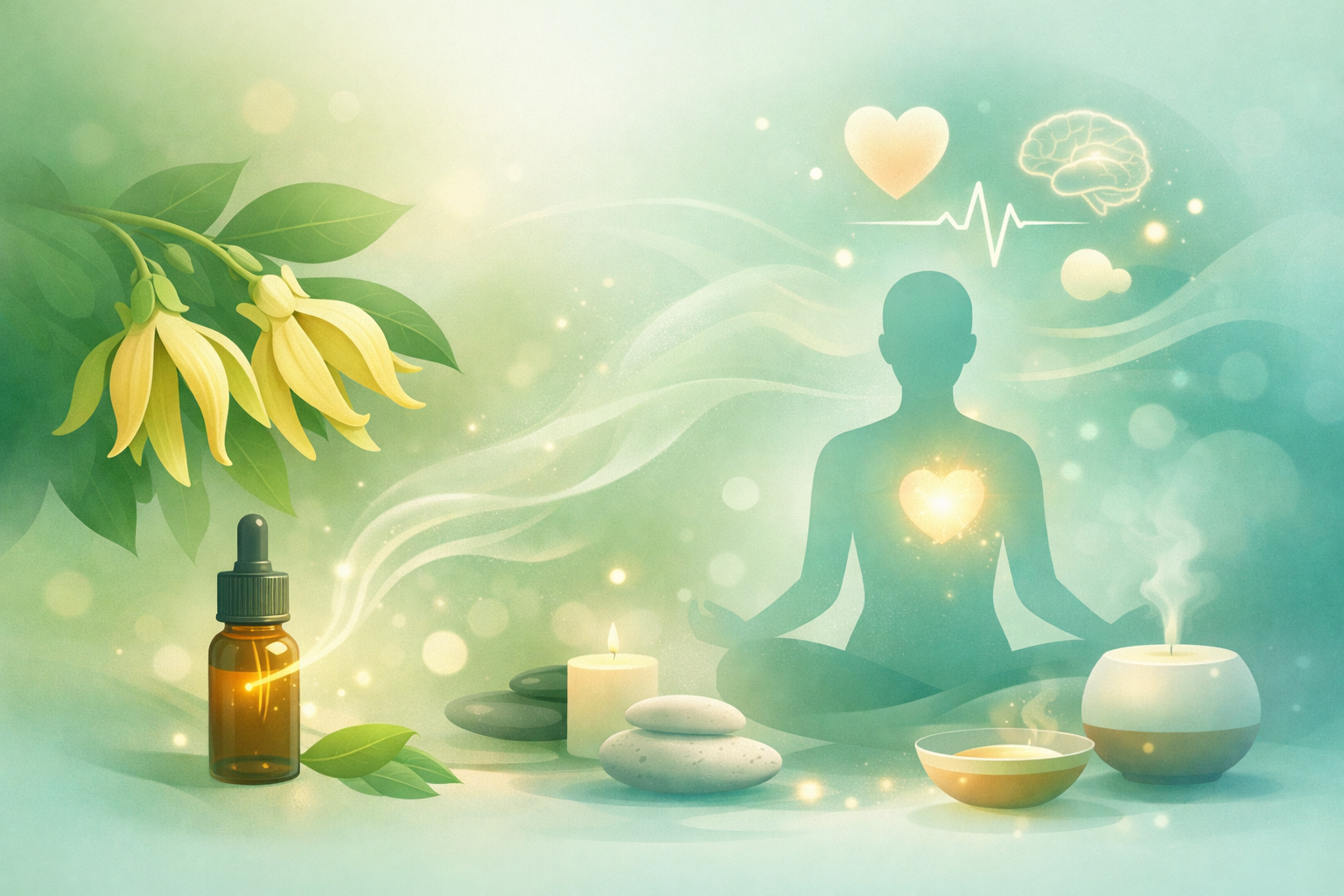
Ylang ylang, a tropical flower native to Southeast Asia, is more than just a fragrant addition to perfumes. In the wellness world, it has gained recognition for its potential to promote relaxation, balance mood, and enhance emotional well-being. Science suggests that the aroma of ylang ylang can influence the nervous system, encouraging a state of calm and reducing stress-related responses. For adults seeking to integrate conscious wellness practices into their daily life, understanding how natural botanicals like ylang ylang work can offer simple yet effective tools for emotional and physiological balance. This article explores the science behind ylang ylang and practical ways to include it in your wellness routine.
The science of ylang ylang
Research on ylang ylang indicates it may impact the autonomic nervous system, which controls heart rate, blood pressure, and stress responses. Inhaling ylang ylang essential oil has been shown to lower heart rate and promote parasympathetic activity, the branch of the nervous system associated with relaxation. Certain compounds, like linalool and geranyl acetate, are thought to interact with neurotransmitters, subtly enhancing mood and reducing anxiety.
For wellness enthusiasts, this is meaningful: supporting the nervous system through natural sensory experiences complements lifestyle habits like mindful movement, nutrition, and sleep. Ylang ylang offers a gentle, low-risk approach to fostering calm, particularly in moments of daily stress or before meditation and restorative practices.
Integrating ylang ylang into daily wellness
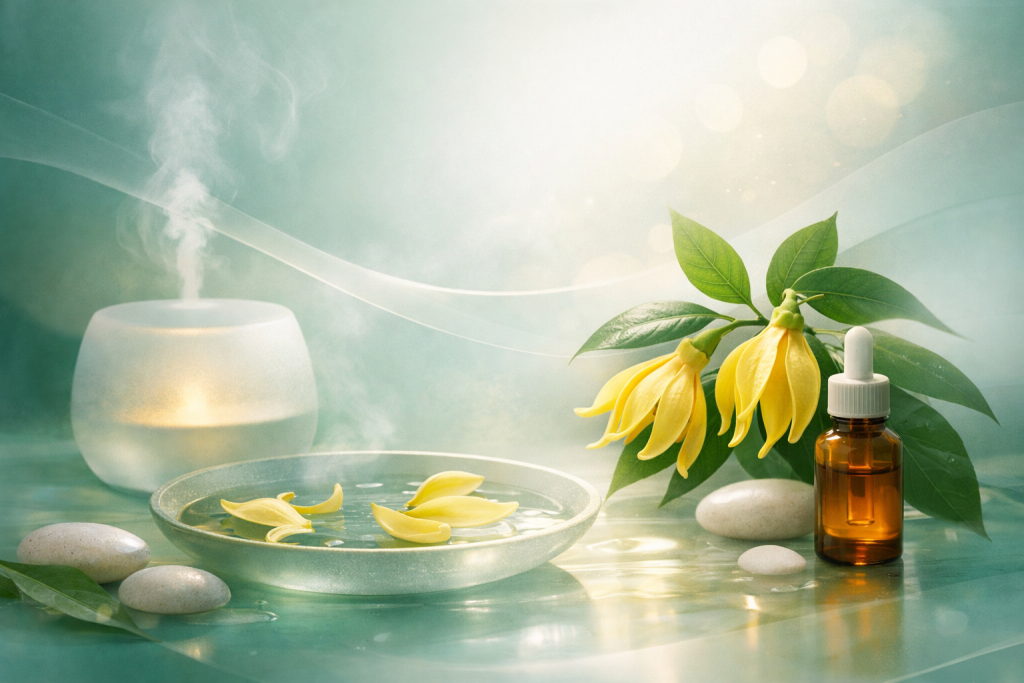
In practice, ylang ylang can be incorporated through aromatherapy, topical applications, or self-care rituals. Adding a few drops of essential oil to a diffuser or bath allows its aroma to fill the space, creating a sensory environment conducive to relaxation. When diluted in a carrier oil, it can be applied in gentle massage routines, supporting both skin health and a sense of tranquility. Pairing ylang ylang with breathwork or mindfulness meditation enhances its calming effect, making it a versatile companion in conscious wellness routines.
“A few minutes of mindful scent can reset both the body and mind.”
Potential benefits beyond relaxation
Beyond mood and stress regulation, ylang ylang may influence overall wellness in subtle ways. Preliminary studies suggest it could support blood pressure regulation, improve sleep quality, and encourage emotional resilience. While research is ongoing, integrating ylang ylang aligns with a holistic approach: small sensory interventions can reinforce broader habits that support long-term well-being and conscious longevity.
Conclusion
Ylang ylang exemplifies how nature can support conscious wellness practices. By engaging the senses, it gently promotes relaxation, emotional balance, and a mindful approach to daily life. For those pursuing a life of vitality and calm, integrating ylang ylang offers an accessible, science-backed way to enrich your wellness journey.
Sogevity. The longevity experience
Live longer. Live better.
Continue exploring longevity
Explore this longevity topic