Tooth pain has a way of taking over your entire body. It is sharp, urgent, almost impossible to ignore. It is no surprise that many people search for a radical solution, hoping to “kill tooth pain nerve in 3 seconds permanently.”
But is that even biologically possible?
At Sogevity, we approach health questions through the lens of conscious longevity. Pain is not the enemy. It is a signal. Understanding what causes tooth nerve pain, and how to address it safely, protects not only your smile but also your long-term healthspan.
Let us explore what really happens inside a painful tooth, what can relieve it quickly, and what actually solves the problem for good.
What is the “tooth nerve” and why does it hurt so much?
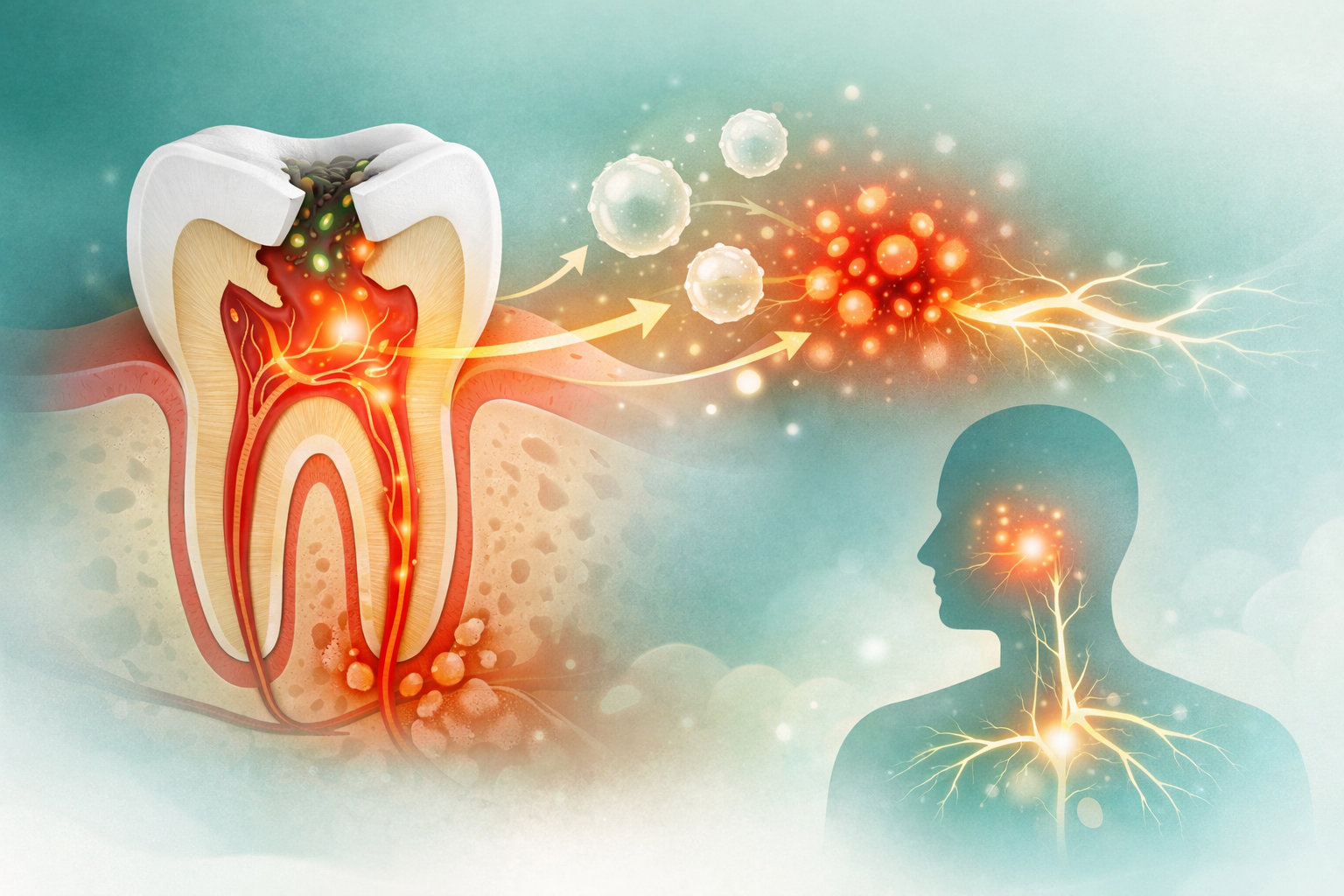
Inside each tooth lies a soft tissue called the dental pulp. This pulp contains nerves, blood vessels, and connective tissue. When bacteria penetrate through enamel and dentin, often due to a cavity or crack, the pulp can become inflamed. This condition is called pulpitis.
The pain can be intense because the pulp sits in a rigid, enclosed space. Inflammation increases pressure, compressing the nerve endings. The result is a throbbing, sometimes unbearable sensation.
From a biological perspective, this is an inflammatory cascade. Immune cells release signaling molecules, blood flow increases, pressure builds. Inflammation, even at a microscopic level, activates pain receptors.
This is why tooth nerve pain is not just a “local annoyance.” It is an acute inflammatory process, and inflammation is deeply connected to systemic health and aging.
Can you really kill a tooth nerve in 3 seconds permanently?
The short answer is no, not safely.
There is no scientifically validated method that can “kill tooth pain nerve in 3 seconds permanently” at home without causing serious harm. Claims involving clove oil, alcohol, garlic, or extreme cold may temporarily numb the area. They do not eliminate the underlying infection or inflammation.
To permanently remove a tooth nerve, a dental procedure called a root canal treatment is required. During this procedure, a dentist removes the infected pulp, disinfects the canal, and seals the tooth. This is the only clinically proven way to permanently eliminate the nerve inside a tooth.
Attempting to chemically burn or “kill” the nerve with home substances can damage surrounding tissues, worsen infection, and even spread bacteria deeper into the jaw or bloodstream.
Quick relief is understandable. Permanent solutions require precision.
Why inflammation in the mouth matters for longevity
At first glance, tooth pain seems isolated. Yet chronic oral inflammation is linked to broader health issues, including cardiovascular disease and metabolic disorders.
The mouth is not separate from the body. It is a gateway to systemic circulation. Persistent dental infections can contribute to low-grade chronic inflammation, a key driver of accelerated biological aging.
Inflammation affects mitochondria, impairs cellular repair, and increases oxidative stress. Over time, these processes influence the health of tissues far beyond the gums.
In the context of conscious longevity, oral care is not cosmetic. It is preventive medicine.
What you can do for fast, safer relief
While you cannot safely kill a tooth nerve in seconds, you can reduce pain and inflammation temporarily before seeing a dentist.
Rinse gently with warm salt water. Salt has mild antimicrobial properties and can help reduce swelling.
Use a cold compress on the outside of the cheek to reduce inflammation and numb the area.
Over-the-counter anti-inflammatory medications, taken as directed, can reduce both pain and swelling.
Clove oil contains eugenol, a natural anesthetic. Applied carefully in small amounts, it may provide temporary numbness. It is not a cure.
Most importantly, book a dental appointment as soon as possible. Severe or persistent tooth pain usually indicates infection. Delaying care increases the risk of abscess formation and systemic spread.
Pain relief is a bridge, not the destination.
The only permanent solutions
If the pulp is irreversibly inflamed or infected, there are typically two definitive treatments.
The first is root canal therapy. The nerve is removed, the canal disinfected, and the tooth preserved. Modern techniques are far more comfortable than their reputation suggests.
The second is tooth extraction when the tooth cannot be saved. This is followed, ideally, by a replacement strategy such as an implant or bridge to maintain proper alignment and chewing function.
Both options should be discussed with a qualified dentist. There is no instant home method that safely replaces professional care.
A longevity perspective on dental health
At Sogevity, we often speak about biological age, mitochondrial resilience, and chronic inflammation. Dental infections are small but powerful reminders that inflammation anywhere affects the whole organism.
Caring for your teeth means reducing microbial load, controlling inflammation, and protecting systemic health.
Brush gently but thoroughly twice a day. Floss daily to disrupt bacterial biofilms between teeth. Consider regular professional cleanings, even if you feel no pain.
Prevention is quieter than crisis. And infinitely more powerful.
Conclusion
The idea that you can kill tooth pain nerve in 3 seconds permanently is a myth. Pain may be numbed briefly, but the underlying biological process cannot be erased with a shortcut.
True, lasting relief requires understanding inflammation, respecting the body’s warning signals, and choosing evidence-based care.
In the long run, oral health is not just about comfort. It is about protecting your healthspan, reducing systemic inflammation, and supporting resilient aging.
Sogevity. The longevity experience
Live longer. live better.