Definition
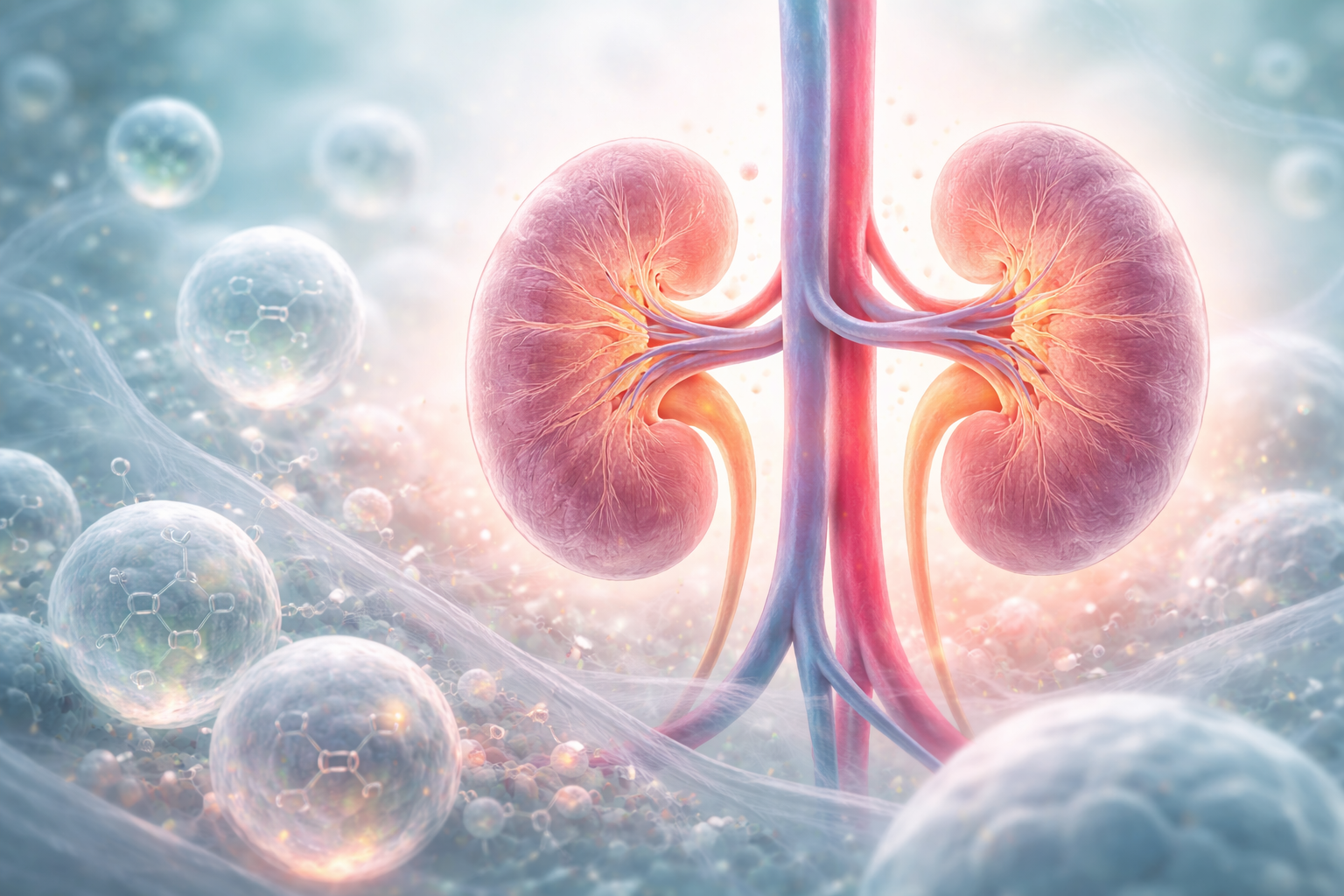
Azotemia is an abnormal increase in the concentration of nitrogenous compounds in the blood, primarily urea and creatinine. These substances come from protein metabolism and are normally eliminated by the kidneys through glomerular filtration and then urinary excretion.
When renal function is impaired or the elimination of these waste products is disrupted, their blood concentration increases. Azotemia thus constitutes an important biological marker of kidney function. It is detected via blood tests measuring blood urea nitrogen (BUN) and serum creatinine.
This phenomenon is not a disease in itself but a biological sign indicating a dysfunction in the elimination of nitrogenous metabolism products. Depending on the underlying cause, azotemia can be temporary or persistent.
Three main categories are generally distinguished: prerenal azotemia related to a decrease in blood flow to the kidneys, renal azotemia resulting from direct damage to renal tissue, and postrenal azotemia caused by an obstruction of the urinary tract.
Origin and context of use
The term azotemia comes from the word « azote, » historically used to refer to nitrogenous compounds present in the blood. It appeared with the development of clinical biochemistry and the first blood tests allowing the measurement of urea in the early 20th century.
Azotemia is now a central indicator in nephrology and emergency medicine. It is used to assess renal function, monitor the progression of kidney diseases, and detect certain metabolic complications.
Laboratory tests measuring urea and creatinine are commonly prescribed in biological assessments. They allow for the rapid identification of a glomerular filtration impairment.
In clinical practice, the interpretation of azotemia is done taking into account the patient’s medical context, hydration status, diet, and other biological parameters such as the estimated glomerular filtration rate.
How does this work?
The metabolism of proteins produces nitrogenous waste, primarily in the form of ammonia. In the liver, ammonia is converted into urea through the urea cycle, a mechanism that makes this compound less toxic.
Urea then circulates in the blood to the kidneys. The nephrons, renal functional units, filter the blood plasma at the level of the glomeruli. Urea and creatinine pass into the primitive urine and are eliminated by the urinary tract.
Creatinine, on the other hand, comes from the breakdown of muscle creatine. Its production is relatively stable in a given individual, making it a useful indicator for estimating renal function.
When glomerular filtration decreases, these substances are no longer effectively eliminated. Their concentration in the blood gradually increases, leading to azotemia.
Depending on the cause, the mechanism differs. For prerenal azotemia, for example, there is a decrease in renal blood flow related to dehydration, hemorrhage, or heart failure. For renal azotemia, on the other hand, there is direct damage to renal tissue. As to post-renal azotemia there is an obstruction of urine flow, such as in prostate hypertrophy or urinary stones
When is it used?
Azotemia is used as a biological indicator to evaluate and monitor kidney function.
It can be researched when there is suspicion of acute renal failure or as a follow-up of chronic renal failure. It can also be researched to evaluate severe dehydration and monitor patients receiving medications potentially toxic to the kidneys. Finally it also allows the investigation of urinary tract obstruction.
In hospital services, the evolution of urea and creatinine levels allows for the assessment of the severity of a renal disorder and the effectiveness of the treatments implemented.
Azotemia can also occur in particular metabolic situations such as intense protein catabolism or significant digestive bleeding.
Benefits and Goals
The measurement of azotemia constitutes a simple and widely available diagnostic tool in clinical practice.
It notably allows:
✓ early detection of renal function impairment
✓ guiding the diagnosis between different causes of renal dysfunction
✓ monitor the progression of kidney disease
✓ adjust certain medical treatments
✓ prevent complications related to the accumulation of metabolic waste
This biological information helps guide medical decisions, especially in emergency situations where renal failure can progress rapidly.
Risks, limitations, or controversies
Azotemia is a useful but non-specific indicator. The increase in blood urea can be influenced by several factors independent of renal function, such as a high-protein diet, dehydration, or certain digestive hemorrhages.
Serum creatinine also depends on muscle mass. In elderly or very thin individuals, renal insufficiency may be underestimated if one relies solely on this parameter.
Clinical interpretation therefore requires a comprehensive analysis including the medical context, other biological tests, and sometimes imaging studies.
These limitations explain the increasing use of complementary indicators such as the estimation of glomerular filtration rate.
Research and Developments
Research in nephrology aims to improve the early detection of kidney damage before the first signs of marked azotemia.
Several biomarkers are currently being studied to identify early renal lesions. Among them are NGAL (neutrophil gelatinase-associated lipocalin), cystatin C, or certain urinary proteins associated with tubular lesions.
These markers could allow for a quicker diagnosis of acute kidney injury, particularly in patients hospitalized in intensive care.
Progress in estimating the glomerular filtration rate also relies on models incorporating age, sex, and certain biological parameters to obtain a more precise assessment of renal function.
These approaches aim to detect kidney damage earlier and to adapt treatments more quickly.
Short FAQ
What is azotemia?
Azotemia corresponds to an increase in the blood concentration of nitrogenous compounds, mainly urea and creatinine, generally linked to a decrease in their elimination by the kidneys.
What is the difference between azotemia and uremia?
Azotemia refers to the increase of nitrogenous waste in the blood. Uremia is a more advanced clinical syndrome in which this accumulation results in symptoms such as nausea, fatigue, or neurological disorders.
What tests can detect azotemia?
It is identified by blood tests measuring urea and creatinine. These parameters are part of the biological tests used to assess kidney function.
What are the main causes of azotemia?
The causes include a decrease in blood flow to the kidneys, direct kidney disease, or an obstruction of the urinary tract preventing urine elimination.
Can dehydration cause azotemia?
Yes. Severe dehydration reduces renal blood flow and decreases glomerular filtration, which can lead to an increase in blood urea.
Does azotemia always cause symptoms?
No. In many cases, it is detected only through a blood test. The symptoms generally appear when the accumulation of waste becomes significant.
Is azotemia treatable?
Yes, if the cause is treated quickly. The correction of dehydration or a urinary obstruction can allow a return to normal values.
Why do we measure creatinine?
Creatinine is produced relatively consistently by the muscles and eliminated by the kidneys. Its blood concentration allows estimating renal filtration capacity.
Can medications cause azotemia?
Some medications can impair kidney function or alter renal blood flow, which can lead to an increase in urea and creatinine.
Does azotemia always mean renal failure?
Not necessarily. It can result from a temporary cause like dehydration. A complete medical evaluation is necessary to determine the exact origin.
Key information
Azotemia corresponds to an increase in nitrogenous waste in the blood, primarily urea and creatinine, due to insufficient renal elimination. It constitutes an essential biological indicator for assessing kidney function. The causes can be prerenal, renal, or postrenal. Its detection relies on routine blood tests. The interpretation must take into account the clinical context and other biological parameters. The early identification of azotemia allows for the diagnosis of renal disorders and the rapid adaptation of medical management.
Related Longevity Concepts
Scientific context
Field: Clinical medicine, biology, and preventive health
Biological process: Human physiology, pathology, and health-related mechanisms
Related systems: Metabolic, immune, cardiovascular, nervous, and cellular systems
Relevance to longevity: Understanding medical terminology and biological processes helps clarify how diseases, symptoms, biomarkers, and treatments influence long-term health, prevention, and healthy aging.