Definition
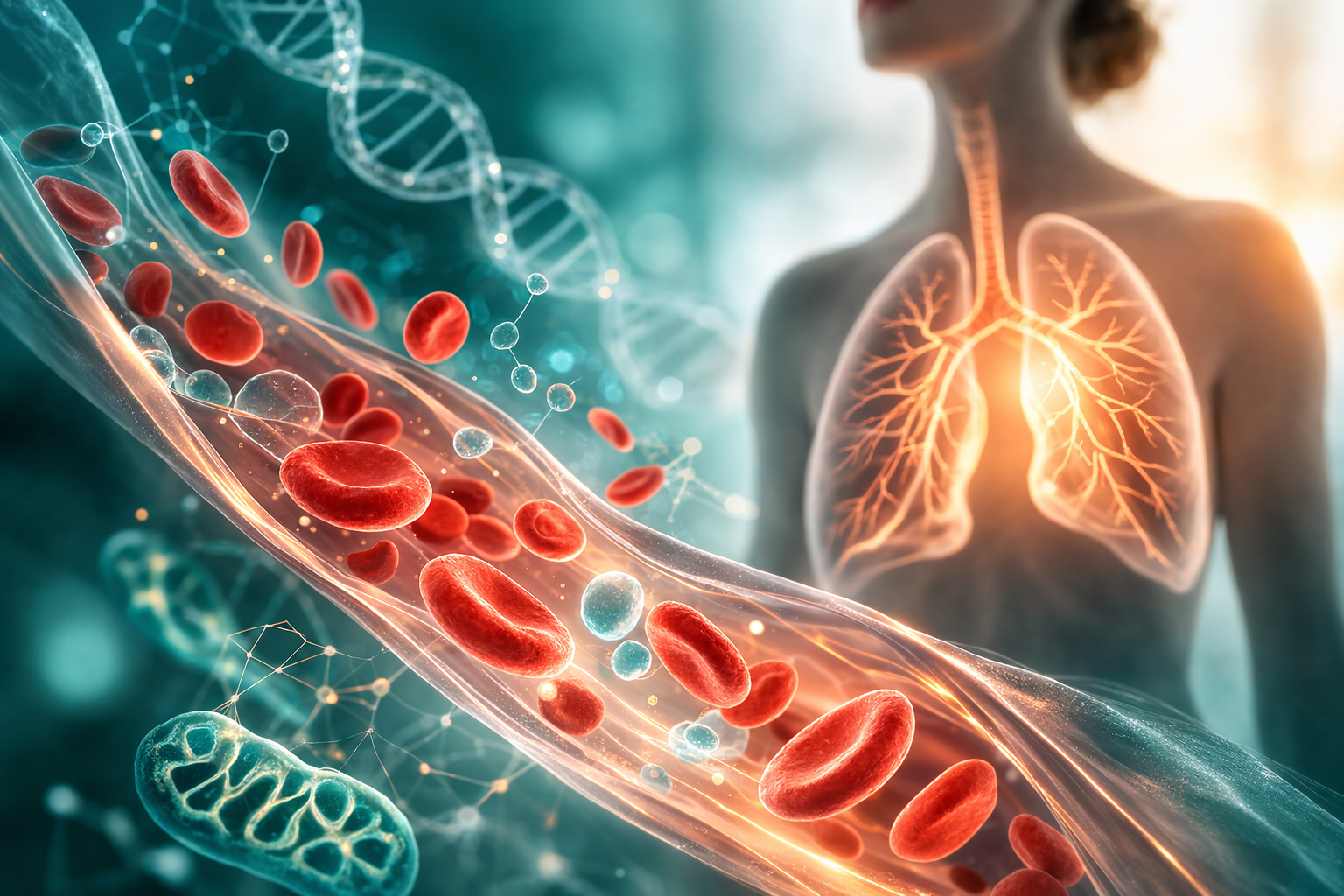
Anemia is a decrease in the concentration of hemoglobin in the blood, generally associated with a reduced number of red blood cells or with impaired function of these cells. Hemoglobin is the protein contained in erythrocytes responsible for transporting oxygen from the lungs to tissues and carrying part of the carbon dioxide back to the lungs.
When its concentration decreases, the blood’s oxygen-carrying capacity becomes insufficient to meet the metabolic needs of cells. Tissues therefore receive less oxygen, which leads to clinical signs such as fatigue, skin pallor, shortness of breath during exertion or dizziness.
Anemia is not a single disease but a biological syndrome resulting from several mechanisms. It may arise from insufficient production of red blood cells by the bone marrow, excessive destruction of erythrocytes or blood loss.
Diagnosis relies mainly on a blood test called a complete blood count, which measures hemoglobin levels, hematocrit and the characteristics of red blood cells.
Origin and context of use
The term « anemia » comes from the ancient Greek « anaimia », which literally means « lack of blood ». It is formed from « an » (without) and « haima » (blood). The term reflects early observations of body pallor associated with general weakness.
The first medical descriptions appeared in the nineteenth century with advances in hematology and the identification of blood cells under the microscope. Researchers progressively distinguished different forms of anemia according to their cause and the appearance of red blood cells.
Today the term is widely used in clinical medicine, hematology and public health. Anemia is one of the most common blood disorders worldwide, particularly in contexts of nutritional deficiency, chronic infections or genetic diseases.
It also serves as an important indicator of many underlying conditions, ranging from iron deficiency to bone marrow disorders.
How does it work?
Oxygen transport in the body depends primarily on red blood cells produced in the bone marrow. These cells contain hemoglobin, an iron-rich protein capable of binding oxygen in the lungs and releasing it in body tissues.
Under normal conditions, the bone marrow continuously produces new red blood cells to replace those destroyed after about 120 days of circulation. This process, called erythropoiesis, is regulated in part by erythropoietin, a hormone produced by the kidneys in response to reduced oxygen levels.
Anemia occurs when this balance is disrupted. Three main mechanisms may be involved.
The first is insufficient production of red blood cells. This may result from deficiencies in iron, vitamin B12 or folate, nutrients required for hemoglobin synthesis and cellular DNA formation.
The second mechanism involves accelerated destruction of red blood cells, known as hemolysis. Certain genetic diseases, infections or immune reactions can cause premature destruction of erythrocytes.
The third mechanism is blood loss. Acute or chronic bleeding, particularly from digestive or gynecological sources, directly reduces blood volume and therefore the total amount of hemoglobin.
These mechanisms may also occur simultaneously in the same patient.
In which situations is it used?
The term anemia is used in several medical contexts related to diagnosis and monitoring of numerous diseases.
It is first used to describe a biological finding observed during a blood test. Hemoglobin threshold values define anemia depending on age, sex and physiological conditions such as pregnancy.
The term is also used to classify different types of anemia according to their origin. Examples include deficiency anemias caused by nutrient shortages, hemolytic anemias resulting from excessive red blood cell destruction and central anemias linked to bone marrow dysfunction.
In clinical practice, the presence of anemia may guide investigations toward digestive, renal, inflammatory, infectious or genetic diseases.
It also acts as a marker of severity in certain chronic conditions.
Benefits and objectives
Identifying anemia serves several important medical objectives.
✓ Detect nutritional deficiencies early, particularly iron, vitamin B12 or folate deficiency.
✓ Guide the diagnostic process toward an underlying condition such as digestive bleeding, chronic inflammatory disease or bone marrow disorders.
✓ Evaluate a patient’s general health status, especially before surgery or during monitoring of chronic illness.
✓ Monitor the effectiveness of treatment, such as iron supplementation or therapy addressing the cause of anemia.
✓ Prevent complications related to prolonged tissue hypoxia, which can affect the heart, brain or muscles.
Risks, limits or controversies
Anemia is a useful biological indicator but not a specific diagnosis. It always requires additional investigations to identify the underlying cause.
Symptoms may be absent when anemia develops gradually, which can delay detection. Conversely, signs such as fatigue or weakness may sometimes be attributed to anemia without biological confirmation.
Diagnostic thresholds may also vary depending on population characteristics, altitude or physiological conditions such as pregnancy.
In some situations, treating anemia alone without investigating the cause may delay the diagnosis of a more serious condition, including internal bleeding or hematological disease.
Research and innovations
Current research in hematology aims to improve understanding of the molecular mechanisms involved in the production and destruction of red blood cells.
Studies focus in particular on the regulation of erythropoiesis, iron metabolism pathways and genetic abnormalities responsible for certain hereditary anemias.
New blood biomarkers are also being investigated to better distinguish different types of anemia and identify their causes more rapidly.
Treatment strategies are evolving as well, including the use of erythropoiesis-stimulating agents in certain kidney diseases or cancers, and the development of targeted therapies for genetic anemias such as sickle cell disease or beta-thalassemia.
These approaches aim to correct more precisely the biological mechanisms responsible for anemia.
Short FAQ
What most commonly causes anemia?
The most common cause worldwide is iron deficiency. It may result from insufficient dietary intake, reduced intestinal absorption or chronic blood loss, particularly menstrual or digestive bleeding.
What are the most common symptoms?
Typical symptoms include persistent fatigue, pale skin, shortness of breath during physical activity, dizziness and palpitations. The intensity depends on the severity of anemia and how quickly it develops.
How is anemia diagnosed?
Diagnosis is based on a blood test called a complete blood count. It measures hemoglobin concentration, the number of red blood cells and several indices that help determine the cause.
Is anemia considered a disease?
It is considered a biological syndrome. It reflects an imbalance in the production, destruction or loss of red blood cells and may result from many different medical conditions.
Can diet prevent anemia?
A diet that provides sufficient iron, vitamin B12 and folate can help prevent certain nutritional anemias. Common sources include meat, legumes, leafy vegetables and some animal products.
Are women more affected?
Yes. Women of reproductive age are more frequently affected due to menstrual blood loss and increased iron requirements during pregnancy.
Can children develop anemia?
Yes. In children, anemia may be linked to nutritional deficiencies, certain infections or genetic conditions affecting red blood cells.
Can anemia be cured?
In many cases anemia resolves once the underlying cause is corrected. Iron or vitamin supplementation may be sufficient when the origin is nutritional.
Why does anemia cause fatigue?
Fatigue results from insufficient oxygen delivery to muscles and the brain. Cells must then produce energy under less efficient conditions.
Can anemia become serious?
Yes. Severe or prolonged anemia can lead to cardiovascular complications, reduced physical performance and increased risk in vulnerable individuals.
Key points to remember
Anemia refers to a decrease in hemoglobin concentration in the blood, which reduces the ability of blood to transport oxygen to body tissues. It may result from insufficient red blood cell production, excessive destruction or blood loss. This common biological syndrome acts as an alert signal for many medical conditions. Diagnosis relies on blood tests, and identifying the exact cause allows appropriate treatment and helps prevent complications related to insufficient oxygen supply in the body.
Related Longevity Concepts
Scientific context
Field: Clinical medicine, biology, and preventive health
Biological process: Human physiology, pathology, and health-related mechanisms
Related systems: Metabolic, immune, cardiovascular, nervous, and cellular systems
Relevance to longevity: Understanding medical terminology and biological processes helps clarify how diseases, symptoms, biomarkers, and treatments influence long-term health, prevention, and healthy aging.