Definition
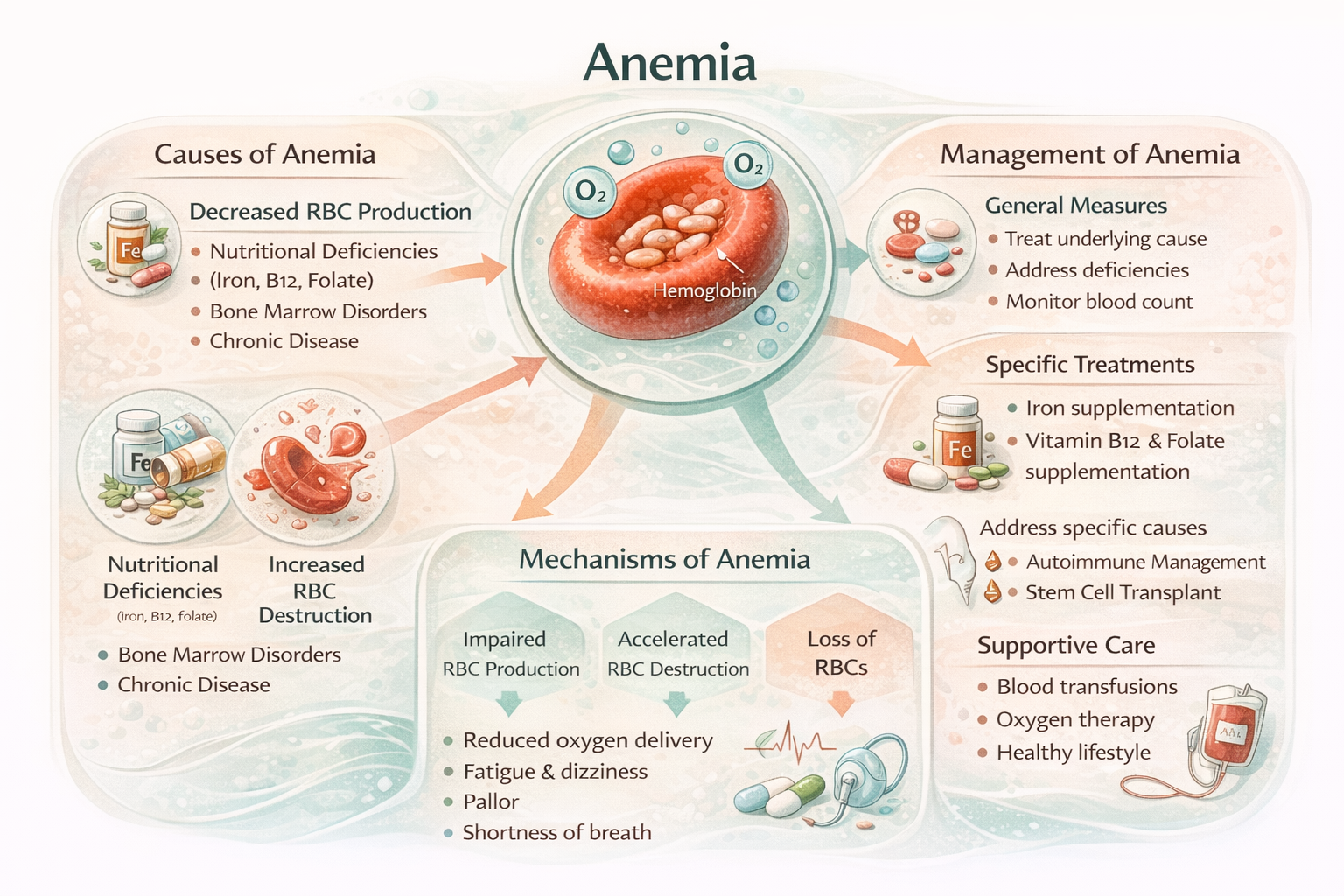
Anemia refers to a condition characterized by a decreased number of red blood cells or hemoglobin concentration in the blood, reducing its capacity to transport oxygen to tissues. This deficiency may manifest as persistent fatigue, paleness, dizziness, shortness of breath, or palpitations. Anemia is not a disease in itself but a clinical sign indicating various pathologies or nutritional deficiencies. Common types include iron-deficiency anemia due to insufficient iron, megaloblastic anemia linked to vitamin B12 or folate deficiency, and hemolytic anemia caused by excessive destruction of red blood cells. The severity of anemia varies depending on the extent of hemoglobin reduction and the speed of onset, influencing symptoms and associated risks.
Origin and context of use
Anemia is a frequent clinical indicator in medical practice, used to detect hematologic, nutritional, or chronic disorders. It can result from blood loss, insufficient red blood cell production, or accelerated destruction of these cells. Screening relies on blood tests, particularly a complete blood count, measuring hemoglobin, hematocrit, and red blood cell count. In both hospital and outpatient settings, anemia monitoring guides therapeutic interventions such as iron or vitamin supplementation or treatment of underlying diseases. It is also studied in preventive medicine, especially in at-risk populations such as women of childbearing age, infants, the elderly, and patients with chronic illnesses.
How does it work?
Blood contains red blood cells filled with hemoglobin, a protein capable of binding oxygen in the lungs and transporting it to organs. Anemia occurs when this capacity is reduced. Three main mechanisms are involved: insufficient production of red blood cells in the bone marrow, accelerated destruction of red blood cells (hemolysis), or excessive blood loss. Production depends on essential nutrients such as iron, vitamin B12, and folic acid, as well as erythropoietin, a hormone produced by the kidneys. When tissues receive less oxygen, the body compensates by increasing heart rate, dilating blood vessels, and stimulating respiration. A complete blood count distinguishes anemia types by analyzing red blood cell size and shape (microcytic, macrocytic, normocytic) and hemoglobin content. This explains why different anemia types require specific therapeutic approaches tailored to the underlying cause.
In which cases is it used?
Identifying anemia is essential to:
-
Diagnose nutritional deficiencies (iron, vitamin B12, folates).
-
Detect chronic or inflammatory diseases, such as kidney failure or arthritis.
-
Monitor blood loss related to trauma, surgery, or heavy menstruation.
-
Assess the impact of hematologic disorders, such as sickle cell disease or hemolytic anemias.
-
Guide management of patients with unexplained fatigue, shortness of breath, or paleness.
Benefits and objectives
Managing anemia aims to:
-
Restore normal hemoglobin and red blood cell levels.
-
Correct nutritional deficiencies with iron, vitamin B12, or folate supplements.
-
Prevent cardiovascular complications related to tissue hypoxia.
-
Reduce symptoms of fatigue, shortness of breath, and dizziness.
-
Improve daily physical capacity and quality of life.
-
Monitor chronic disease progression or response to medical treatment.
Risks, limits, or controversies
Anemia can mask serious underlying conditions such as cancers or hematologic disorders. Treatments, especially iron supplementation, may cause digestive side effects and require individual adaptation. Self-diagnosis or unsupervised supplementation carries the risk of overdose and complications. Some anemia forms, like aplastic or hemolytic anemia, do not respond to conventional nutritional treatments and require specialized interventions. Variability in hemoglobin thresholds by age, sex, and population can make diagnosis complex.
Research and innovations
Current research explores targeted therapies that stimulate red blood cell production, including erythropoietin mimetics. Genetic and gene therapy techniques are studied for hereditary anemias such as sickle cell disease and thalassemia. Improvements in iron supplements and intestinal absorption are being investigated to reduce side effects. Additionally, AI-based rapid diagnostic tools enable anemia detection from simple blood tests or non-invasive methods, facilitating screening in resource-limited areas.
Short FAQ
What is anemia?
It is a decrease in hemoglobin concentration or red blood cell count, reducing oxygen transport to tissues.
What are the main symptoms?
Fatigue, paleness, shortness of breath, dizziness, palpitations, and muscle weakness.
How is anemia diagnosed?
Through a complete blood count measuring hemoglobin, hematocrit, and red blood cell numbers.
What are common causes?
Deficiencies in iron, vitamin B12, or folates, blood loss, chronic diseases, or genetic disorders.
Can anemia be serious?
Yes, it can cause tissue hypoxia, cardiovascular complications, or reveal a severe underlying condition.
Can anemia be prevented?
Yes, with a balanced diet rich in iron, vitamin B12, and folates, and regular screening for at-risk populations.
How is anemia treated?
With nutritional supplements, treatment of the underlying cause, transfusions, or specific therapies depending on the type.
Are children affected?
Yes, particularly infants and children during rapid growth phases, who are vulnerable to iron and vitamin deficiencies.
Are women at risk?
Women of childbearing age are more exposed, especially with heavy menstruation or pregnancy.
Should one seek medical care quickly?
Yes, especially if symptoms are severe or worsening, to identify and treat the cause.
Key points
Anemia results from reduced red blood cells or hemoglobin, impairing oxygen delivery to tissues. Diagnosis relies on a complete blood count, and treatment depends on the cause. Early management improves symptoms and prevents serious complications. Hereditary or severe forms require specialized care. Prevention is based on adequate nutrition and medical monitoring.
Related Longevity Concepts
Scientific context
Field: Clinical medicine, biology, and preventive health
Biological process: Human physiology, pathology, and health-related mechanisms
Related systems: Metabolic, immune, cardiovascular, nervous, and cellular systems
Relevance to longevity: Understanding medical terminology and biological processes helps clarify how diseases, symptoms, biomarkers, and treatments influence long-term health, prevention, and healthy aging.