Key Takeaways
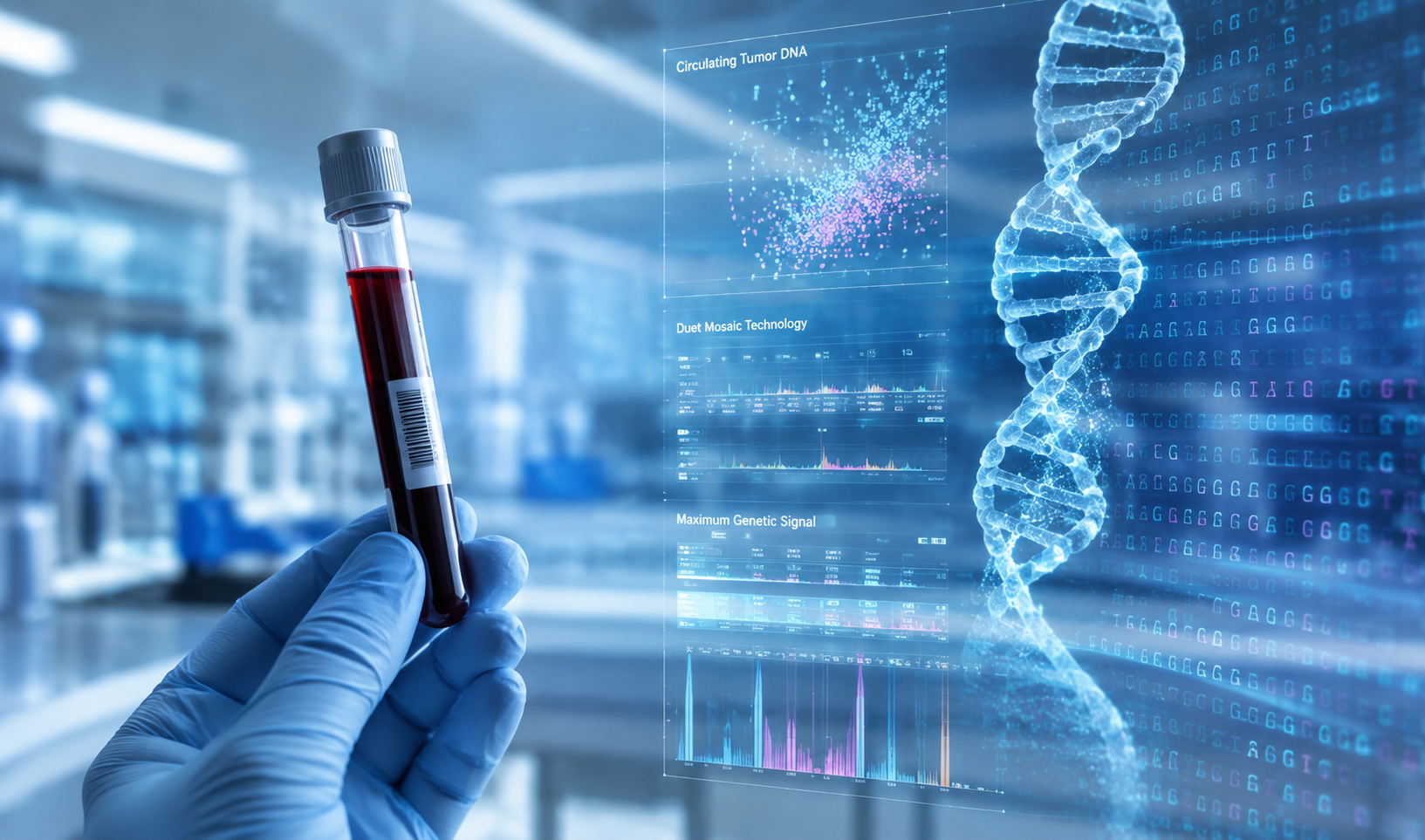
- The duet mosaic launch: Biomodal has officially released Duet Mosaic, a high-efficiency multiomics solution engineered specifically for liquid biopsy developers.
- More signal, less blood: The technology extracts both genetic mutations and epigenetic alterations simultaneously from minimal blood samples.
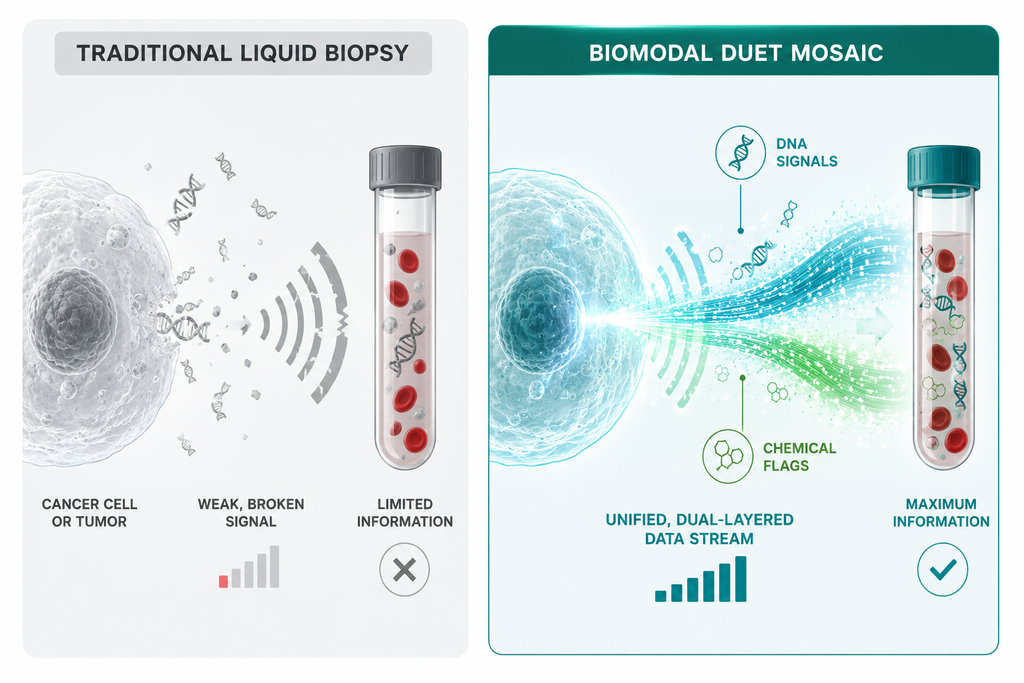
- Overcoming low shedding: It successfully captures fragile cell-free DNA (cfDNA) signals in early-stage cancers and age-related conditions where tumor shedding is dangerously low.
- Cost-efficient workflow: By processing multiple biological signals in a single, streamlined workflow, it eliminates sample waste and heavily reduces sequence sequencing costs.
- Clinical longevity potential: The platform provides pristine tracking of epigenetic aging clocks, helping clinical researchers mathematically benchmark real biological decay.
On august 12, 2026, biotechnology pioneer Biomodal officially launched its cutting-edge duet mosaic multiomics platform globally to clinical research institutions and diagnostic developers. Operating through an advanced single-vial sequencing pipeline that processes both DNA sequence and methylation dynamics concurrently, this groundbreaking platform resolves a major bottleneck in oncology and longevity medicine by maximizing the volume of critical health signals extracted from minimal cell-free DNA samples to catch terminal illnesses and biological aging acceleration years before symptoms physically manifest.
This technological milestone completely alters the landscape of liquid biopsies, delivering a major setback to traditional diagnostics that rely on invasive, painful tissue extractions. For years, identifying cancerous growths or neurological degeneration at stage zero felt like looking for a needle in a global haystack, as early-stage tumors shed very low amounts of genetic material into the bloodstream.
By rewriting how clinical platforms audit blood plasma, this invention transforms a routine blood draw into a goldmine of biological data. It bypasses the vague generalizations of legacy screenings, leaving behind a highly precise, reproducible reality of disease monitoring and real-time biological health tracking through data-driven multiomic inputs.
Capturing epigenetic fluctuations and overcoming the “low shedding” barrier
To fully comprehend the structural impact of duet mosaic on modern preventative medicine, one must analyze the molecular limitations that previously crippled liquid biopsy development. When tumors begin forming or when organs undergo accelerated cellular senescence, they release microscopic fragments of cell-free DNA (cfDNA) into the blood. However, in early stages, this material is incredibly scarce. Traditional sequencing platforms frequently fail to isolate these faint biological whispers, resulting in delayed diagnoses or requiring massive volumes of blood that are clinically impractical for fragile or elderly patients.
Biomodal’s new platform solves this biological scarcity through dual-analysis optimization. It captures standard genetic mutations while simultaneously recording 5-hydroxymethylcytosine (5hmC) and 5-methylcytosine (5mC) epigenetic modifications. These chemical flags act as immediate cellular distress signals, altering their patterns long before an actual genetic mutation takes hold or a tumor grows large enough to be detected by traditional imaging.
Illustrated example: Tuning in to a faint radio station
Imagine trying to listen to a crucial emergency weather broadcast on a car radio, but the static is so loud and the signal is so weak that you can only catch every fifth word. Traditional liquid biopsies try to fix this by building a massive, expensive antenna (drawing liters of blood). Duet Mosaic functions like a hyper-advanced digital audio filter. Instead of needing a stronger broadcast, it instantly removes the white noise, amplifies the faint signal, and decodes the hidden underlying baseline message clearly from a single, tiny blood draw.
Key concept: Multiomics and the epigenetic landscape
Multiomics is a biological analysis approach where multiple layers of cellular data—such as genetics (the DNA blueprint) and epigenetics (how that blueprint is read)—are evaluated at the exact same time. Epigenetic markers like 5mC and 5hmC act as biological “on/off switches” influenced by aging, toxins, and diet. Capturing both layers from a single strand of cell-free DNA yields a comprehensive look at an individual’s active physiological decay and cancer status.
Streamlining workflows and reducing vascular diagnostic costs
Regarding the practical integration of this tool into current public health infrastructures, the duet mosaic architecture eliminates a severe operational pain point for laboratory developers: sample fragmentation. In traditional multiomic testing, a single blood sample must be split into multiple sub-aliquots to test for different markers sequentially. This splitting frequently degrades the precious, limited sample, forcing clinicians to order repetitive blood draws and incurring massive sequencing costs that prevent these diagnostics from becoming accessible to mainstream populations.
By unifying the chemical processing steps into a singular, cohesive workflow, Biomodal protects the absolute structural integrity of the drawn blood. It delivers a highly integrated stream of data without destroying delicate cellular markers. Consequently, this prevents sample waste, drops laboratory overhead expenses, and makes high-tier precision diagnostics viable for large-scale population health screenings.
Level of evidence: Analytical validation & pre-clinical launch grade
This technological review is based on official developer specifications, analytical validation datasets, and commercial launch parameters provided by biomodal in august 2026. While the underlying duet technology is heavily integrated into international multiomic research consortia, the Duet Mosaic platform represents a freshly deployed asset currently utilized by liquid biopsy developers and clinical researchers to build next-generation diagnostic assays before deployment into wide-scale hospital systems.
The diagnostic matrix: Comparing traditional liquid biopsies to duet mosaic
| Diagnostic Generation | Biological Target Layer | Early-Stage Sensitivity | Primary Sample Limitation | Cost and Workflow Efficiency |
| Legacy | Genetic mutations only (ctDNA sequencing) | Very Low (Misses early-stage | Requires high blood volumes; sample | High sequencing overhead; high rate of sample waste |
| Standard Methylation Assays | Epigenetic 5mC markers via bisulfite treatment | Moderate (Detects tissue origin but | Chemical treatments destroy up to 80% of | Inefficient; destroys sample integrity during processing |
| Next-Gen Duet Mosaic | Simultaneous Genetic | Exceptionally High (Captures faint stage-zero indicators | Ultra-low input requirement; processes | Highly streamlined; heavily reduces total sequencing costs |
Frequently asked questions (FAQ)
What is biomodal’s duet mosaic technology?
Duet Mosaic is an advanced multiomics platform designed for liquid biopsy researchers to extract genetic mutations and epigenetic modifications simultaneously from a single blood sample.
Why is capturing more signal from a single blood draw important?
In early-stage cancers and metabolic illnesses, the amount of cell-free DNA shed into the blood is extremely low. Duet Mosaic amplifies and reads these faint signals without needing multiple blood draws.
What are 5mC and 5hmC markers mentioned in the study?
They are epigenetic modifications on DNA that control how genes are turned on or off. They serve as early-warning biological indicators for cancer and cellular aging.
Does this technology reduce the cost of cancer screening?
Yes. By consolidating multiple complex genetic tests into a single, automated workflow, it eliminates sample waste and dramatically Lowers the sequencing costs for clinical labs.
Is duet mosaic available as a standard routine test in hospitals right now?
No. It is a newly launched tool for researchers and diagnostic developers to build the next generation of highly sensitive commercial blood tests.
Methodology
The technical insights and data specifications presented in this investigative overview are sourced directly from the official commercial launch protocols issued by Biomodal, clinical registry data, and financial industry records tracking multiomic diagnostics. All corporate metrics are cross-checked with active biotechnology databases up to August 2026.
Disclaimer
This report is for educational and informational purposes only. It does not provide medical diagnoses or treatment recommendations. Always consult a licensed healthcare professional for clinical test interpretations.
Sources
- Primary Press & Corporate Release: Morningstar Business Wire — Biomodal Launches Duet Mosaic for Liquid Biopsy Researchers
- Biomodal Official Tech Portal: Technical specifications and multiomic pipeline parameters for the Duet Mosaic Platform (2026).
- Liquid Biopsy Science Review: Comparative analysis on 5mC and 5hmC cell-free DNA epigenetic markers in early oncological detection.