Definition
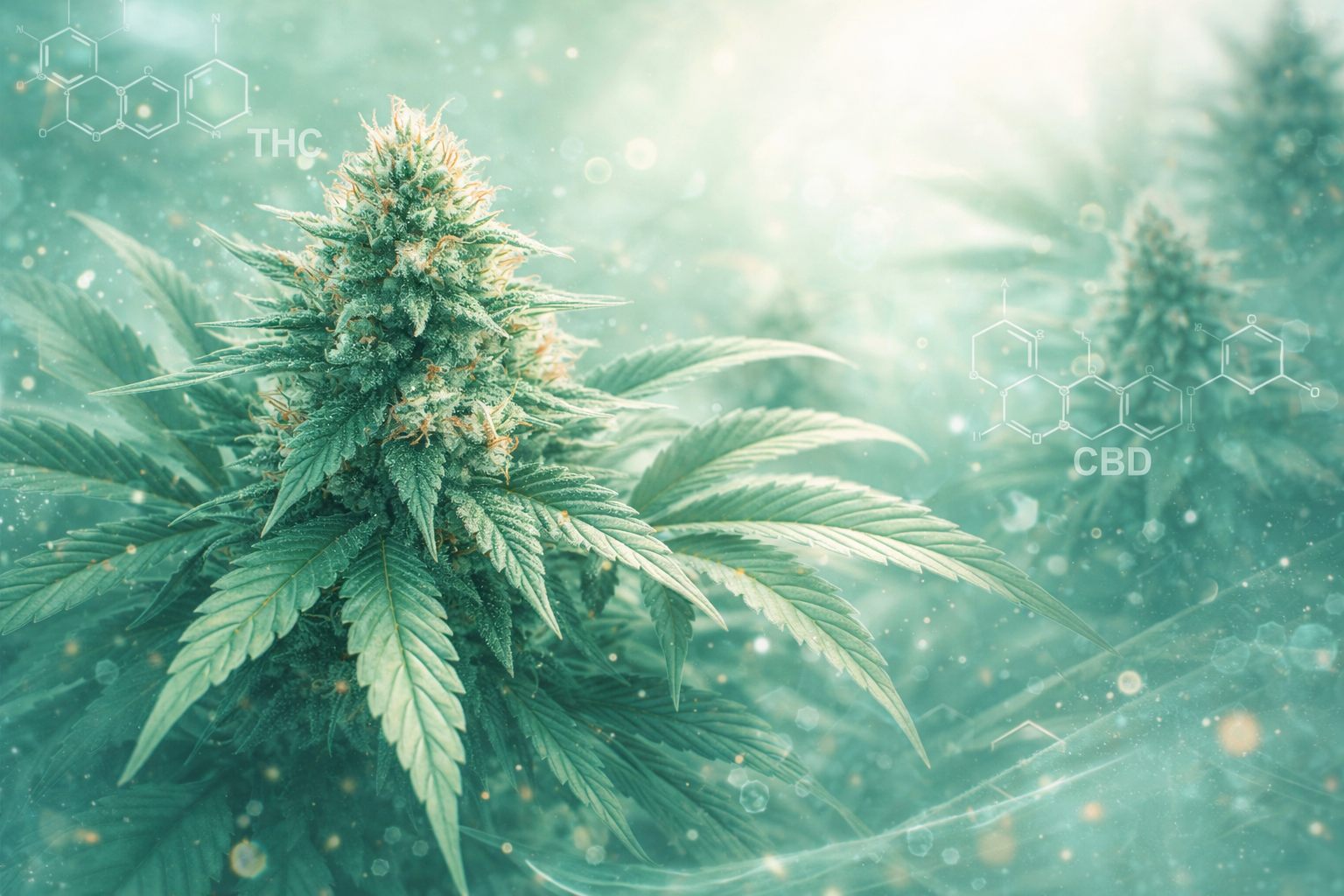
Cannabis is the name given to a plant belonging to the Cannabis genus that is used for its medicinal and psychoactive qualities. Cannabinoids, such as tetrahydrocannabinol (THC) and cannabidiol (CBD), are its primary active ingredients. The psychotropic effects are caused by THC, whereas CBD has anxiolytic and anti-inflammatory qualities but does not produce euphoria. Cannabis can be eaten as extracts, oils, resin, or dried herb.
In terms of medicine, it is employed in specific therapeutic settings to regulate symptoms like nausea brought on by chemotherapy, chronic pain, or spasticity in specific neurological conditions. Its effects on the nervous system, specifically the modification of perception, mood, and cognition, are the basis for its recreational use. The chemical composition varies according to the varieties and cultivation methods, influencing the intensity and nature of the effects.
Origin and context of use
Cannabis has been used for thousands of years, especially in Central Asia. Ancient Chinese and Indian texts contain hints of its medicinal use, where it was used to treat anxiety, pain, and digestive issues.
Many nations outlawed its use in the 20th century because of its psychotropic effects and potential for addiction. This prohibition is a component of a global framework for controlling psychoactive substances.
Many nations have gradually reintroduced medical cannabis since the 2000s due to a scientific reevaluation. Clinical trials showing the effectiveness of particular cannabinoids for particular indications served as the basis for this development. Depending on the region, the legal framework is still very different, ranging from stringent prohibition to controlled supervision.
How does this work?
The body’s receptors known as the endocannabinoid system is the main mechanism by which cannabis acts. There are two primary types of receptors in this system: CB1, which is mainly found in the brain, and CB2, which is found in immune tissues.
THC changes the release of neurotransmitters like glutamate, GABA, and dopamine by binding to CB1 receptors. Memory, coordination, sensory perception, and behavior are all impacted by this interaction. The feeling of pleasure and the potential for addiction are partially explained by the activation of dopaminergic circuits.
CBD functions in a different way. It affects other biological systems and indirectly modulates receptors, especially ion channels and serotonin receptors. It can lessen the negative effects of THC, like tachycardia and anxiety. The mode of administration determines the rate of action. Inhalation produces effects within a few minutes, while ingestion leads to a longer delay, with a prolonged duration of action.
When is it used?
In medicine, cannabis is used for certain purposes, usually when conventional therapies are inadequate. It can be prescribed to treat neuropathic pain in particular.
It is also used to boost appetite in some patients with chronic illnesses and lessen nausea and vomiting brought on by chemotherapy.
Certain derivatives are recommended to lessen spasticity in neurological conditions, especially multiple sclerosis. Additionally, CBD is being investigated in some types of resistant epilepsy.
Different from medical use, recreational use seeks psychoactive effects like euphoria or relaxation.
Bénéfices et objectifs
The use of cannabis in medicine aims to improve the quality of life in specific clinical situations:
✓ Reduction of resistant chronic pain
✓ Decrease in severe nausea and vomiting
✓ Improvement of appetite in certain pathologies
✓ Reduction of muscle spasticity
✓ Moderate anxiolytic effect with certain cannabinoids
These benefits depend on the dosage, the cannabinoid composition, and the patient’s profile. The objective remains symptomatic, without direct curative action on the underlying diseases.
Risks, limitations, or controversies
Cannabis use is risky, especially when it comes to neuropsychiatric health. Frequent consumption can affect executive function, memory, and attention. It may cause or exacerbate anxiety, depression, or psychotic disorders in certain people.
Dependency is a possibility, especially with THC-rich products. Tachycardia and other cardiovascular effects are possible.
The effect on brain development in teenagers is a significant worry.
From a medical perspective, the products’ variability and the absence of reliable data for specific indications are the limitations. Regulation, access, and the trivialization of its use are further points of contention.
Research and new developments
The goal of current research is to create targeted cannabinoids that can act on particular receptors without having psychotropic effects. Optimizing therapeutic efficacy while minimizing side effects is the goal.
The use of CBD in treating anxiety disorders, epilepsy, and some neurodegenerative diseases is being investigated in clinical trials. Additional research focuses on how cannabis affects sleep disorders and chronic pain.
Standardized extracts, oral sprays, or capsules that enable accurate dosing are examples of how formulations are changing.
As our knowledge of the endocannabinoid system advances, new insights into topics like immunity, inflammation, and stress management become available.
Short FAQ
Is it legal to use cannabis for medical purposes?
Strict prescriptions are required for its medical use in certain nations. The laws govern the forms, conditions, and indications of access and are based on national authorities.
What distinguishes THC from CBD?
The euphoric effects are caused by THC, which is psychoactive. CBD has anxiolytic and anti-inflammatory qualities without having a psychotropic effect.
Does cannabis lead to addiction?
Yes, particularly the THC-rich forms. Compulsive consumption and withdrawal symptoms when stopping are signs of addiction.
After drinking, are you able to drive?
No, cannabis greatly increases the risk of accidents by impairing reflexes, coordination, and perception.
Does it work to prevent pain?
When traditional therapies are ineffective, it can alleviate some pains, especially neuropathic ones.
Is there no risk with CBD?
Although CBD is usually well tolerated, it can interact with some medications and have adverse effects like sleepiness.
Does oncology use cannabis?
It does not treat the tumor itself; instead, it is used to control symptoms like nausea or appetite loss.
What are the immediate consequences?
These include relaxation, euphoria, changes in memory and reaction time, and occasionally paranoia or anxiety.
Are medical forms standardized?
Yes, there are oils, sprays, and capsules with regulated dosages of cannabinoid-based drugs.
Does cannabis pose a risk to youth?
Indeed. It raises the risk of mental and cognitive disorders and can interfere with brain development.
Key Information
Cannabis is a complex plant with both controlled medical applications and psychoactive effects. The endocannabinoid system, which is involved in many physiological processes, is the basis for its action.
Its therapeutic uses primarily entail the alleviation of symptoms that are resistant, with different advantages for each patient. Use must be done carefully due to the risks, especially the cognitive and psychiatric ones.
Research is moving toward safer formulations and more targeted molecules. The core of contemporary problems is still striking a balance between therapeutic potential and side effects.
Related Longevity Concepts
Scientific context
Field: Clinical medicine, biology, and preventive health
Biological process: Human physiology, pathology, and health-related mechanisms
Related systems: Metabolic, immune, cardiovascular, nervous, and cellular systems
Relevance to longevity: Understanding medical terminology and biological processes helps clarify how diseases, symptoms, biomarkers, and treatments influence long-term health, prevention, and healthy aging.